Image Credit: depositphotos.com
A growing trend in fitness emphasizes the importance of maintaining a broad range of physical capabilities throughout life, rather than focusing solely on building muscle mass. This concept, known as “strengthspan,” aims to preserve essential physical attributes such as strength, speed, aerobic capacity, and functional mobility as people age.
Many traditional strength training programs advocate for heavy lifting with typical repetitions of eight to ten, complemented by cardio at the session’s end. However, studies suggest that this approach may not adequately preserve vital skills like speed and explosiveness. Strength and conditioning experts argue that neglecting these qualities can lead to a decline in overall physical performance over time.
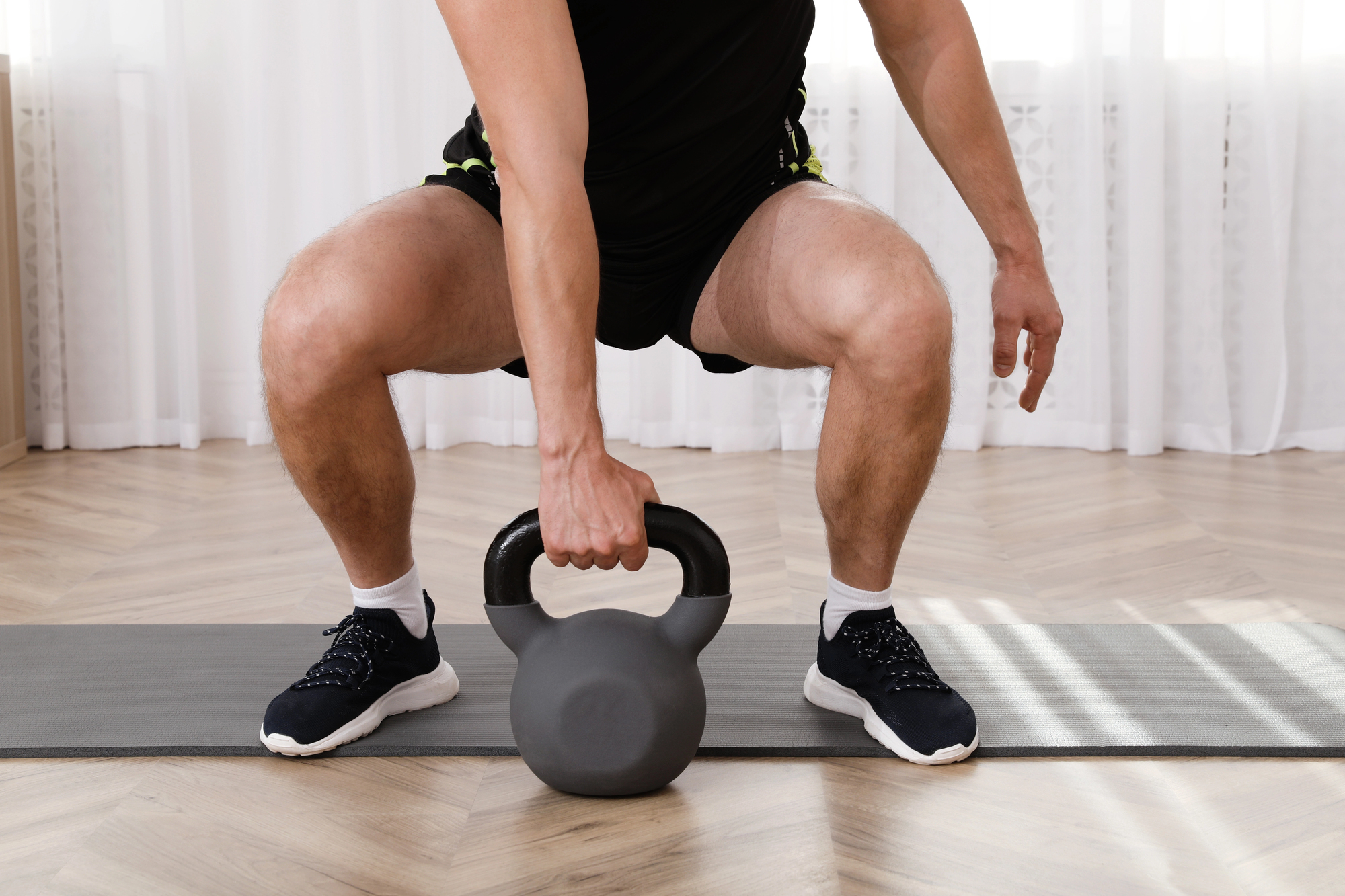
To counter this trend, experts recommend incorporating specific strategies into training regimens. One key adjustment is to include at least one explosive movement session per week, focusing on exercises like kettlebell swings, box jumps, and sprint intervals. These activities prioritize speed and explosive power rather than just heavy lifting.
Additionally, shifting the emphasis from moderate to low-repetition sets can enhance maximal force production. Experts suggest integrating low-rep work—such as sets of two to five—into workouts every two weeks. This change can significantly contribute to strength gains over the long term.
Moreover, many conventional training programs primarily focus on movements in the sagittal plane (forward and backward). To address this limitation, trainers advocate for the inclusion of lateral movements at least once a week, which can be achieved through activities like lateral lunges or recreational sports.
Finally, experts highlight the importance of dedicated cardiovascular training. While lifting weights can raise heart rates, it does not provide the same cardiovascular adaptations as sustained aerobic exercises. Aiming for just 10 to 15 minutes of cardio per week, split into short intervals, can facilitate essential cardiovascular fitness over the years.
By embracing these strategies, individuals can optimize their training to ensure a well-rounded physical capacity, promoting longevity and functional fitness as they age.
Check out the original article here: Source link