Image Credit: depositphotos.com
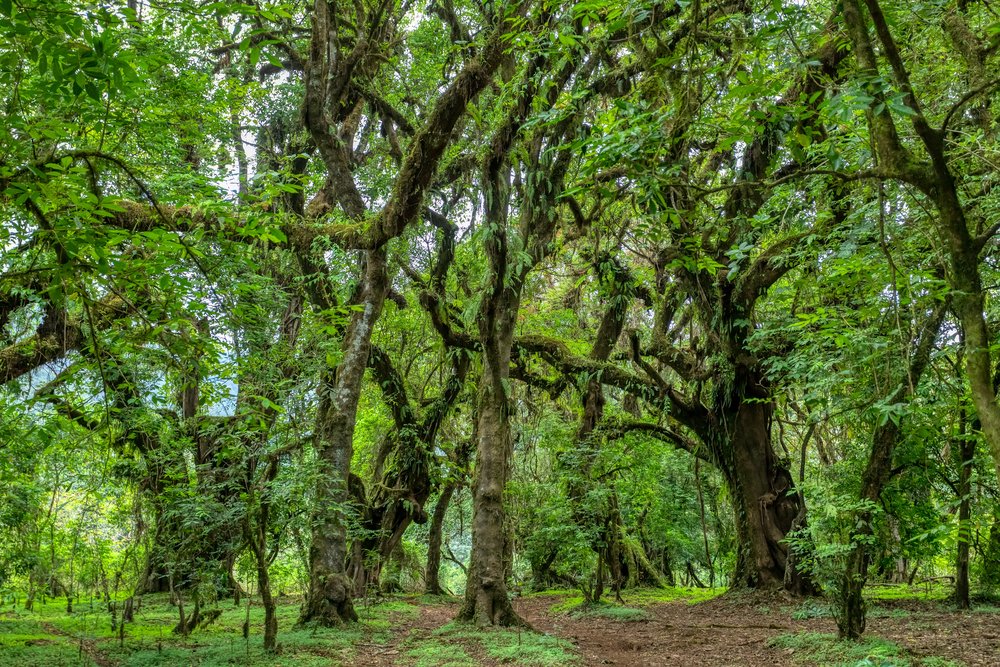
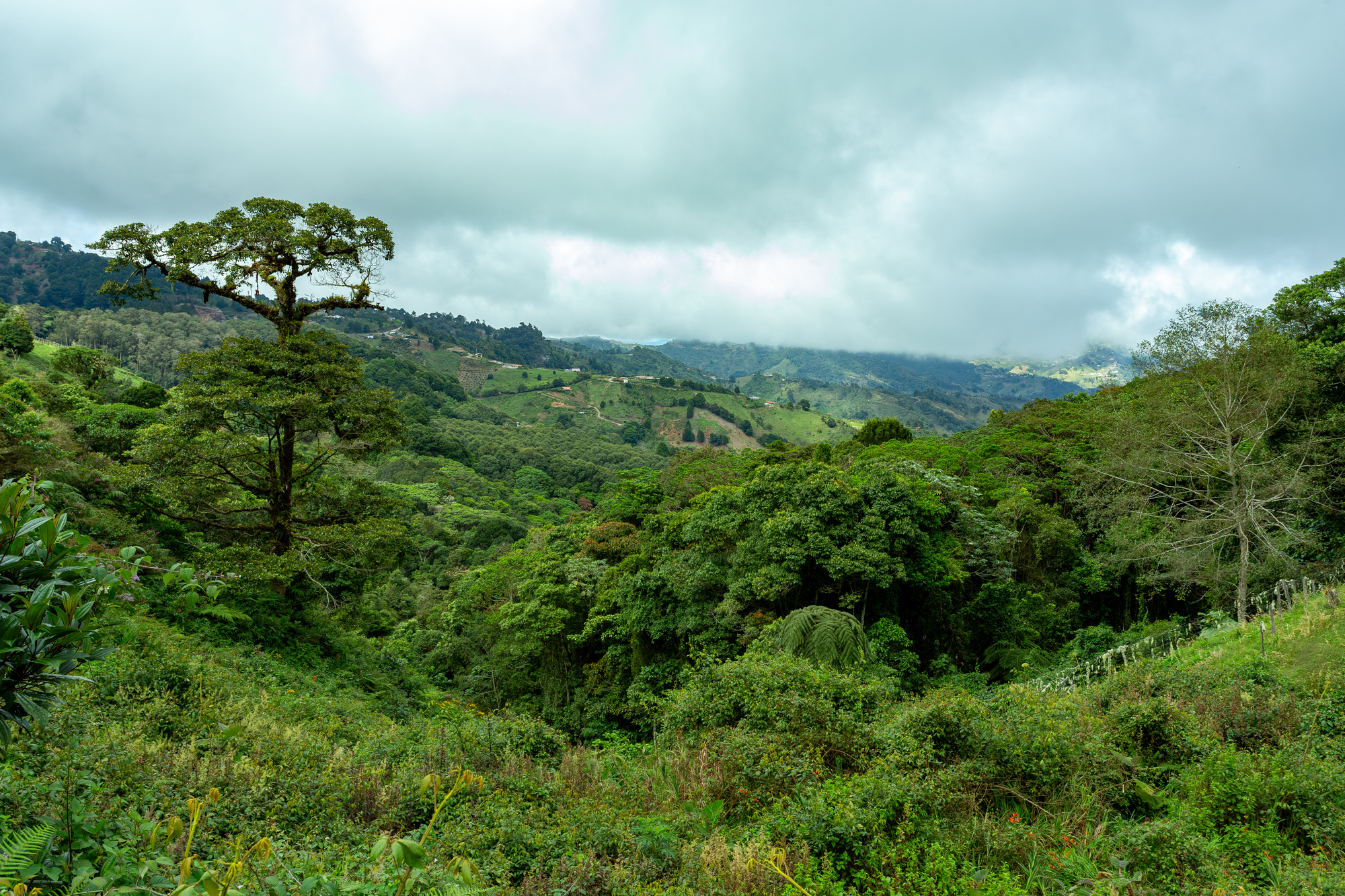
New research from Ecuador’s Chocó region highlights the remarkable resilience of tropical rainforests, revealing that cleared areas can recover up to 90 percent of their species diversity within a single human generation. The study, published in the journal Nature, is based on extensive data from over 30 research groups monitoring more than 10,000 species across 62 sites, ranging from active farms to forests in various stages of regrowth.
The findings indicate that without any active replanting or restoration efforts, approximately 75 percent of species composition and 90 percent of species diversity can return within roughly 30 years. However, this recovery timeline varies significantly among different species, with birds and bats typically recolonizing cleared areas more quickly than soil bacteria and large-canopy trees, which may lag for decades.
An essential aspect of this recovery process is the role of animals, which not only benefit from the regrowth but actively drive it. Species such as bats, monkeys, and various birds contribute to the reestablishment of vegetation by dispersing seeds, while dung beetles help bury these seeds, enhancing soil conditions for new growth. This interaction accelerates recovery in ways that theoretical models had not fully anticipated.
The study also emphasizes that prior land use significantly impacts recovery rates. For instance, former cocoa farms where some trees remain standing tend to regenerate more quickly than abandoned pastures, which often face competition from dense grasses that inhibit seedling establishment. This finding underscores the importance of considering residual tree cover when evaluating the potential for land recovery.
Despite these promising insights, the research does not suggest that old-growth forests are expendable. These mature ecosystems provide critical resources, including seed sources and diverse animal populations essential for the recovery of disturbed areas. The study concludes that protecting existing forests is vital for maintaining biodiversity and the ecological foundations of human societies, such as soil health, water quality, and pollination services.
The research provides robust field data to support policy arguments for land conservation, underscoring the need for strategic protection of both existing forests and areas in regeneration to sustain biodiversity and ecological resilience.
Check out the original article here: Source link