Image Credit: depositphotos.com
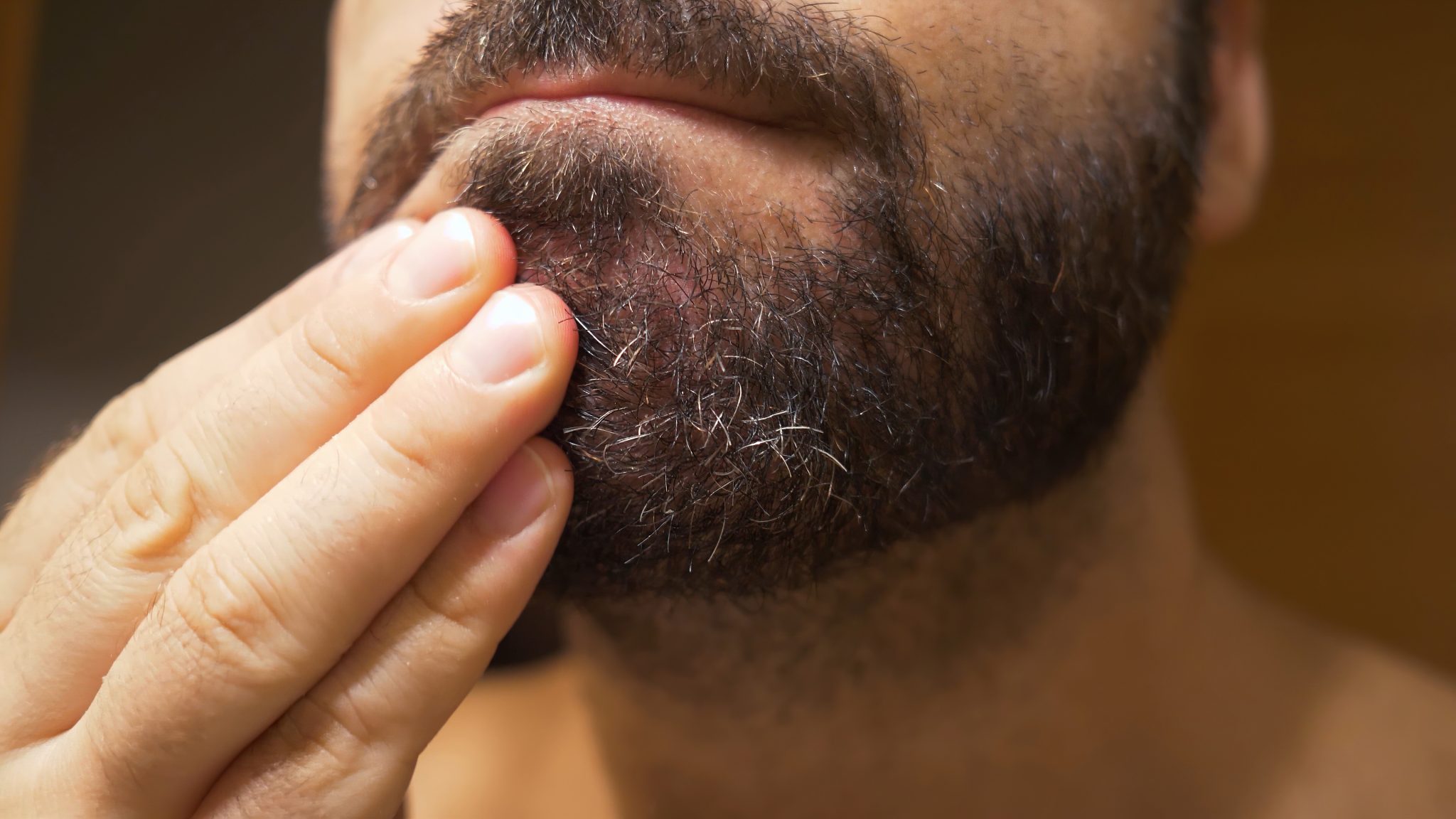
Beard dandruff, often referred to as beard flakes, is a common issue among men who grow facial hair, but it is primarily a skin condition known as seborrheic dermatitis. This condition is typically caused by an overgrowth of a yeast called Malassezia, which thrives in warm, oily environments like those created by facial hair. Flakes can appear alongside symptoms such as itching and redness, particularly when oil production increases due to stress, hormonal changes, or the use of heavy grooming products.
Seborrheic dermatitis can affect anyone with a beard, regardless of its length or thickness. It is particularly noticeable during seasonal changes, such as in spring and fall, when skin conditions are more likely to flare up. Understanding these triggers is essential for managing and preventing flare-ups.
To combat beard dandruff, a routine of preventative care is recommended. An effective first step is the use of anti-dandruff shampoo, which should be applied directly to the skin at the base of the beard and left for five minutes before rinsing. This process should be repeated one to three times a week, depending on the severity of the flakes.
On days without shampooing, a gentle, hydrating cleanser is advised to nourish the skin beneath the beard. Ingredients such as coconut water, argan oil, and avocado can help maintain moisture levels, preventing the skin from becoming overly dry and producing excess oil.
Maintaining hydration for both the beard and the skin is crucial. A moisturizer specifically designed for both can help balance oil production and keep the skin healthy. Proper washing techniques, such as using gentle circular motions with fingertips and patting dry rather than rubbing, can prevent further irritation.
Exfoliating the skin once or twice a week can also be beneficial, as it removes dead skin cells and oil buildup that contribute to flaking. Regular trimming of the beard is recommended to minimize the accumulation of flakes and prevent ingrown hairs, which can exacerbate skin irritation.
In the event of a flare-up, over-the-counter cortisone creams can be effective in reducing inflammation. These should be applied sparingly and not used continuously for more than 10 days to avoid potential side effects. Consulting a dermatologist is advisable if symptoms persist despite treatment.
Overall, beard dandruff is a manageable condition, and with the right routine and understanding of triggers, individuals can maintain a healthy beard and skin beneath.
Check out the original article here: Source link