Image Credit: skphoton/123r.com
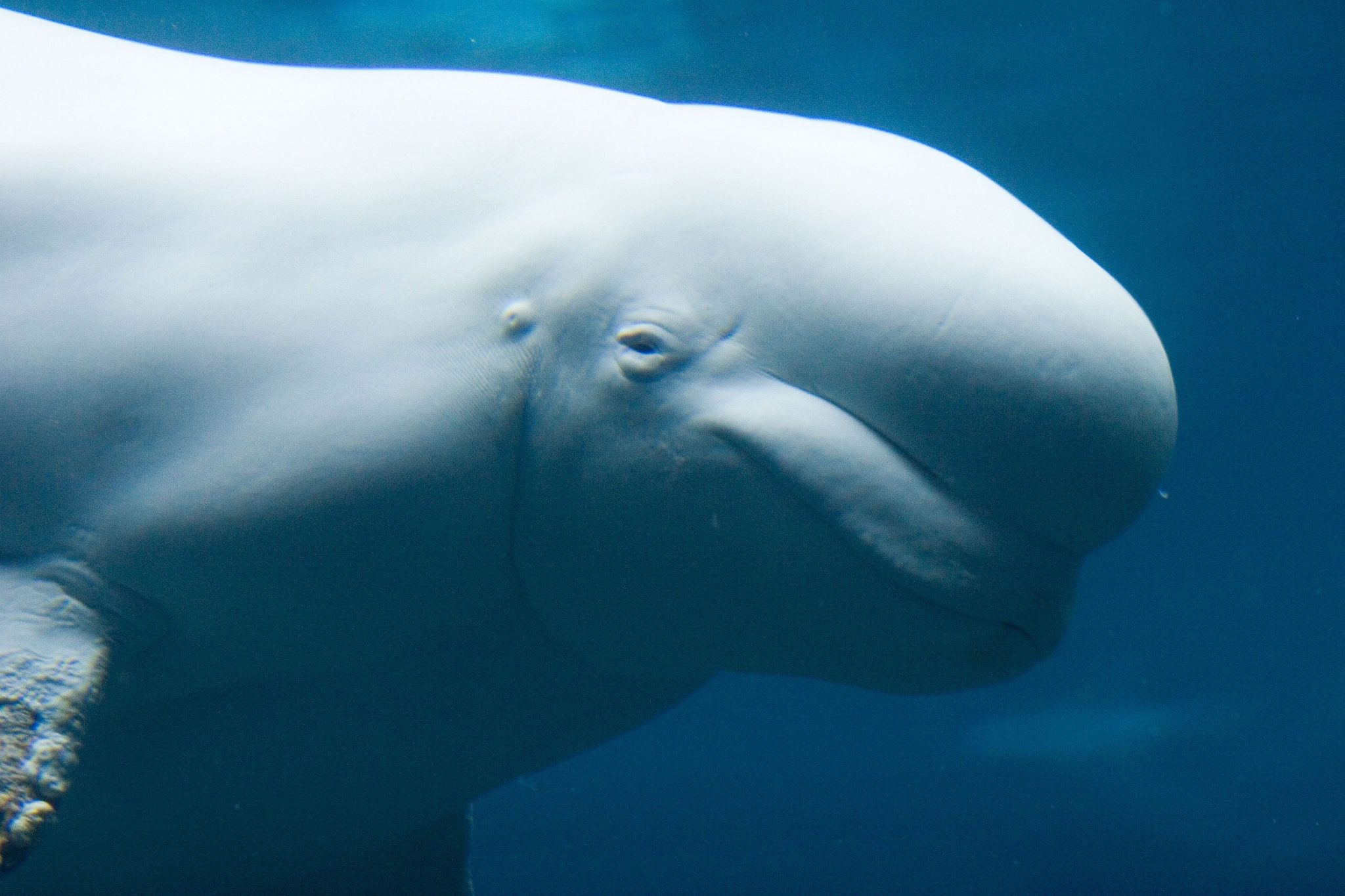
Recent research published in the journal PLOS One reveals that beluga whales can recognize themselves in mirrors, adding them to a select group of animals that demonstrate this cognitive ability. The study focused on two belugas at the New York Aquarium, Natasha and Maris, who exhibited behaviors indicative of self-awareness during mirror testing.
The research, conducted by marine mammal scientist Diana Reiss and her team, involved observing the whales’ interactions with a mirror affixed to their pool. Initially filmed in 2001, the footage remained unpublished until 2023, when Alexander Mildener, a student in Reiss’s program, revisited the recordings for his thesis project during the COVID-19 pandemic.
In their sessions, both whales displayed a sequence of behaviors typical of mirror self-recognition. They initially reacted to their reflections as if encountering another whale, then engaged in contingency testing—making movements to see if their reflections would respond. Natasha and Maris progressed to using the mirror to perform barrel rolls and examine their mouths, behaviors that did not occur without the mirror. Natasha successfully passed the mark test, where a mark is placed on the animal’s body, while Maris did not.
This discovery contributes to a growing list of species recognized for self-awareness, which now includes chimpanzees, dolphins, elephants, and more. The findings challenge previous assumptions about the cognitive abilities required for self-recognition, suggesting that social complexity rather than brain size may play a significant role.
The implications of this research extend beyond scientific interest. Understanding self-awareness in marine mammals like belugas can foster greater empathy and support for conservation efforts, similar to the impact of research on humpback whales in the past. Reiss and Mildener are eager to explore mirror self-recognition in other beluga populations, potentially uncovering more about the cognitive capabilities of these intelligent creatures.
Check out the original article here: Source link