Image Credit: sailor806/123.com
Research highlights the growing interest in protein consumption as a means to support muscle and brain health, especially as individuals age. Many people are discovering that simply increasing protein intake at main meals is often insufficient. Instead, nutrition experts suggest integrating additional protein-rich foods into smaller meals and snacks throughout the day.
To help individuals meet their protein goals without overhauling their diets, experts recommend strategically adding protein sources to breakfast, lunch, and snacks. Ten grams of protein can be easily achieved with a few simple foods that require little to no preparation.
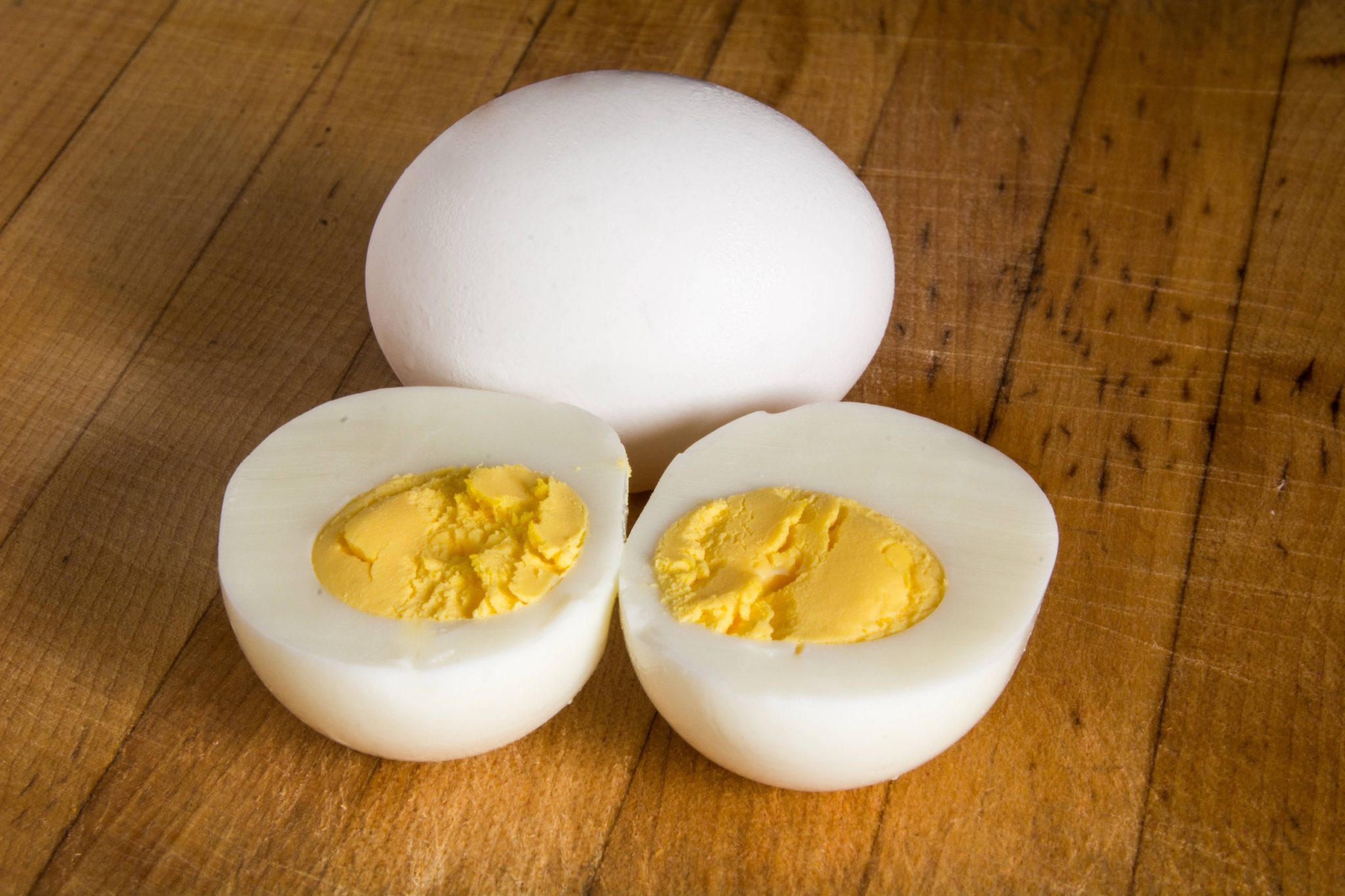
For convenient options, jarred or canned salmon provides approximately 10 grams of protein in just one and a half ounces, making it easy to add to salads or enjoy with crackers. Another quick source is shelled edamame, with half a cup also delivering 10 grams of protein; it can be kept in the fridge after being thawed. A quarter cup of pepitas, or pumpkin seeds, offers the same protein amount and can enhance salads or be enjoyed as a snack. Two hard-boiled eggs contribute 12 grams of protein and can be prepared in advance for easy access. Similarly, half a cup of almonds provides 10 grams, as does one and a half ounces of cheddar cheese.
For those looking to build meals around protein, cottage cheese and Greek yogurt serve as versatile bases. Half a cup of cottage cheese contains 14 grams of protein and can be blended into smoothies or used as a dip. Greek yogurt, with more than 10 grams per half cup, can complement various dishes, particularly in Mediterranean cuisine. Firm tofu, at four ounces, is also a protein-rich option that can be enjoyed raw or cooked, enhancing its flavor when prepared with sauces or spices.
Another unique source of protein is bone broth, which contains around 10 grams of protein per cup. This warm beverage offers a filling option between meals and can also replace stock in soups and sauces.
Overall, the emphasis is on incorporating these protein sources into daily meals and snacks without the need for extensive cooking, making it easier for individuals to meet their protein needs efficiently.
Check out the original article here: Source link