Image Credit: depositphotos.com
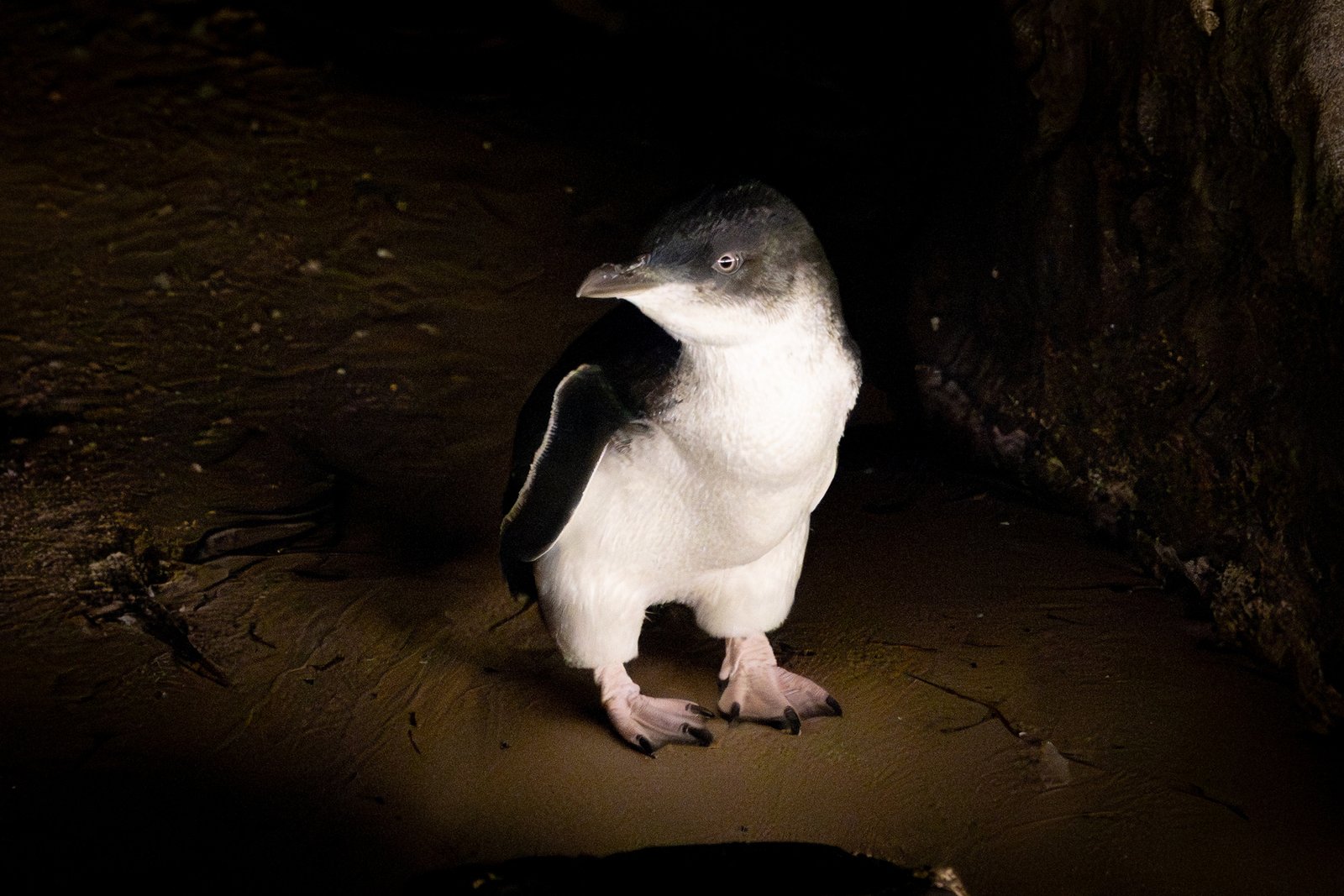
A groundbreaking vaccination program for little penguins has been launched on Phillip Island, Victoria, aimed at protecting the world’s smallest penguin species from the H5N1 bird flu virus. Over the past two weeks, wildlife teams have been working each night as tens of thousands of these penguins return from the sea to their burrows. The initiative, which is the largest of its kind globally, involves vaccinating approximately 5,000 birds, with over 1,000 already receiving their first dose.
Little penguins, which are native to southern Australia and New Zealand, have been classified as being at “very high risk” due to the ongoing spread of H5N1 among seabird populations. The urgency of the vaccination effort stems from confirmed cases of the virus on Phillip Island and nearby regions, where significant penguin mortality has already been observed. The vaccination process involves weighing, measuring, and microchipping the birds before they receive the vaccine, with a follow-up dose scheduled three weeks later.
The Phillip Island population is crucial not only for biodiversity but also has significant economic importance, drawing approximately 700,000 visitors annually and contributing around $500 million to the local economy. The ongoing threats of climate change and food scarcity further complicate the survival of these penguins, making the vaccination program a vital measure to ensure their future.
While the vaccine is an important step, officials emphasize the need for continued biosecurity efforts to protect the penguins from the virus. Little penguins are unique in that they return to the same nesting areas each night, making them more amenable to a vaccination program compared to other wildlife species. This initiative represents a significant effort to safeguard an iconic species that is integral to both the ecosystem and local tourism in Victoria.
Check out the original article here: Source link