Image Credit: By Paola Nogales Ascarrunz, CC BY-SA 4.0, https://commons.wikimedia.org/w/index.php?curid=199817826
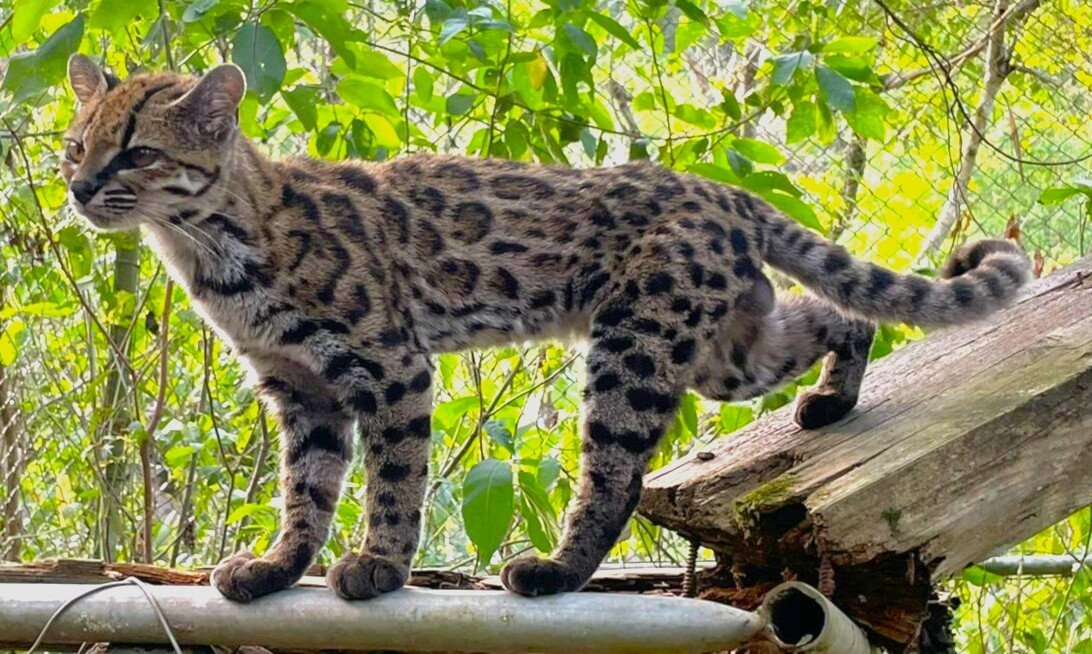
Biologists have officially recognized a new species of feline in Bolivia’s Yungas cloud forest, named Leopardus tilcayo, or tilcayo. This discovery is significant as it marks the first new living feline species to be named in over a century, highlighting the importance of genetic analysis in uncovering biodiversity.
Historically, the tilcayo was categorized broadly as a type of tiger cat, a classification that local communities in Bolivia had long disputed. Genetic research revealed that this small spotted cat, measuring approximately 18 inches long and weighing around 3 pounds, is distinct from other tiger cat lineages, having diverged around 1.4 million years ago. The study, published in Current Biology, involved DNA analysis of 38 specimens across South America and concluded that there are not two, but five genetically distinct lineages of tiger cats.
The tilcayo is characterized by its light brown fur with irregular rosettes and is believed to be primarily nocturnal, based on evidence from camera traps. Despite its newfound status, little is known about its behavior and ecology. Only two live tilcayos have been studied, with one currently housed at the Senda Verde wildlife sanctuary in Bolivia.
This new classification raises concerns about the conservation status of the tilcayo, as the International Union for Conservation of Nature (IUCN) currently lists tiger cats as vulnerable. Given its limited habitat in the Yungas forest—an area facing threats from deforestation, agricultural expansion, and mining—the tilcayo could potentially qualify as endangered.
The announcement of this new species underscores the need for continued research and conservation efforts in the Yungas ecosystem. With many species still undiscovered, the findings serve as a reminder of the critical importance of preserving biodiversity before it is lost.
Check out the original article here: Source link