Turning Trash into Treasure: How a Newcastle Scientist is Transforming Ocean Plastic into Solutions for Dolphin Conservation

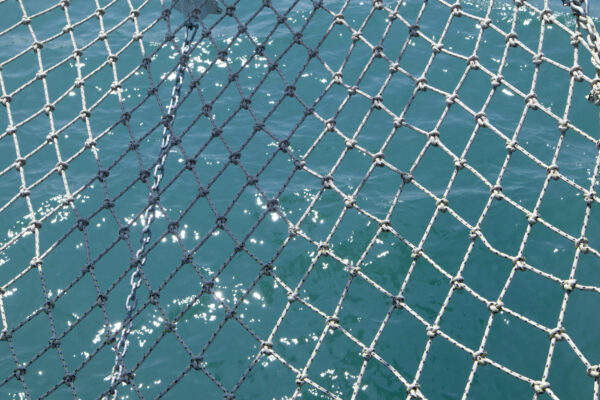
Image Credit: depositphotos.com A new approach to reducing dolphin bycatch in fishing nets has emerged, offering a promising solution to a significant environmental challenge. Gillnets, which are commonly used in fishing, are notorious for unintentionally trapping marine mammals like dolphins and porpoises. Approximately 1,000 porpoises and hundreds of dolphins, including 250 common dolphins, die in…

Read More

Reviving the Numbat: Australia’s Inspiring Journey from 300 to 3,000!

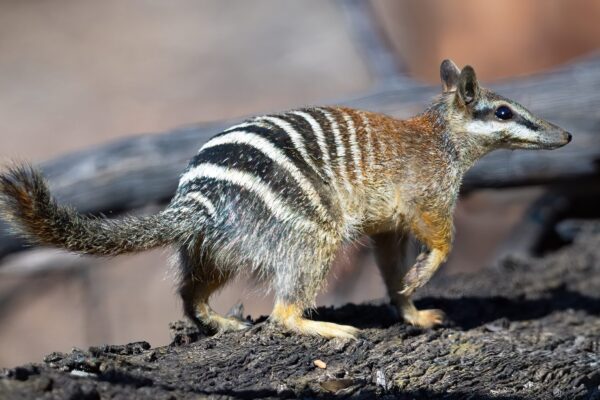
Image Credit: By JJ Harrison – Own work, CC BY-SA 4.0, https://commons.wikimedia.org/w/index.php?curid=179188696 The numbat, a small marsupial native to Western Australia, has been officially reclassified from endangered to near threatened by the International Union for Conservation of Nature (IUCN). This change marks a significant milestone in conservation efforts that have been underway for over 40…

Read More

From Plate to Reef: How California’s Dinner Leftovers Are Reviving Endangered Oyster Habitats!

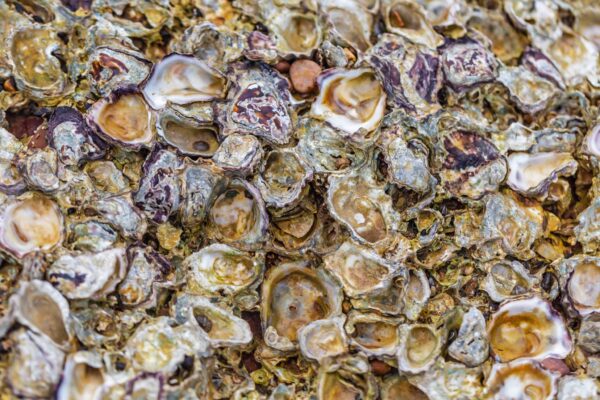
Image Credit: lobster20/123rf.com In Orange County, California, a unique environmental initiative is turning discarded oyster shells from local restaurants into vital marine habitats. The Shells for Shorelines program, led by marine restoration director Kaysha Kenney, has successfully collected over 24,000 pounds of oyster shells—approximately 12 tons—aiming to restore the region’s depleted oyster reefs. Oyster reefs…

Read More

Buzz or Bust: Is No Mow May Truly a Lifesaver for Bees, or Just a Trendy Fad?

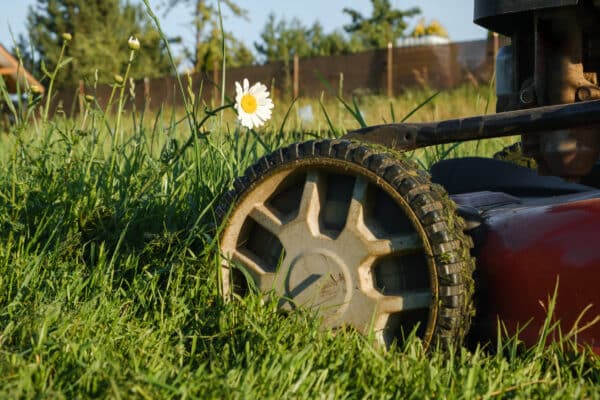
Image Credit: annazdasiuk/123rf.com A conservation initiative known as No Mow May is gaining traction across North America, encouraging citizens to refrain from mowing their lawns during the month of May to support early-season pollinators. The campaign emphasizes the importance of allowing wildflowers such as dandelions and violets to flourish, providing essential food sources for bees…

Read More

Whale Comeback: Antarctic Giants on the Rise, But Conservation Efforts Must Continue!

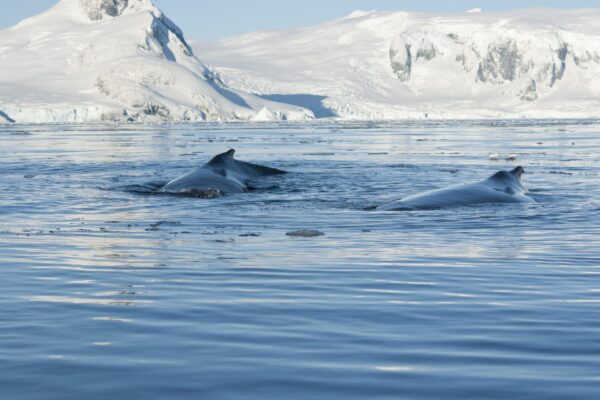
Image Credit: pilipenkod/123rf.com Humpback whale populations in the Southern Ocean have experienced a remarkable resurgence, nearing pre-whaling levels, according to recent findings by researchers conducting surveys near the South Orkney Islands. In February, scientists recorded multiple groups of over 100 feeding whales in a single day, a scene reminiscent of accounts from early polar explorers….

Read More

Decades of Silence Broken: Citizen Birders Rediscover Five Elusive Bird Species in 2025!

Image Credit: anoyo/123rf.com In a remarkable turn of events for global bird conservation, the Lost Birds List has seen a significant reduction in its entries, dropping from 163 to 120 species since 2022. This list, maintained by the Search for Lost Birds project—a collaboration of the American Bird Conservancy, Re:wild, and BirdLife International—tracks bird species…

Read More

From the Edge of Extinction: How Mexico Revived the Monarch Butterfly Population

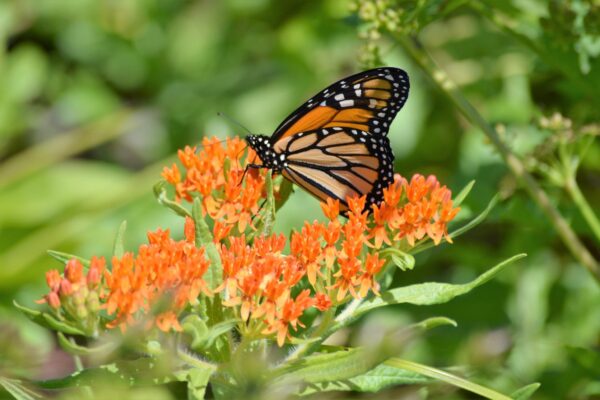
Image Credit: trek13/123rf.com Every fall, monarch butterflies embark on an extraordinary journey, traveling nearly 3,000 miles from Canada through the United States to their wintering grounds in western Mexico. This year, their numbers have shown a significant increase, marking a hopeful development in conservation efforts. According to new data from WWF Mexico, the area occupied…

Read More

Triumphant Comeback: Panama’s Golden Frogs Make a Bold Leap Back to the Wild After 17-Year Fight Against Devastating Fungus!

Image Credit: steffstarr/123rf.com After nearly two decades, Panama’s forest streams are witnessing the return of the Panamanian golden frog (Atelopus zeteki), a species that vanished from its native habitat due to a devastating fungal epidemic. This reintroduction marks a significant milestone for conservation efforts, following years of captive breeding, disease research, and careful release trials….

Read More