Image Credit: pilipenkod/123rf.com
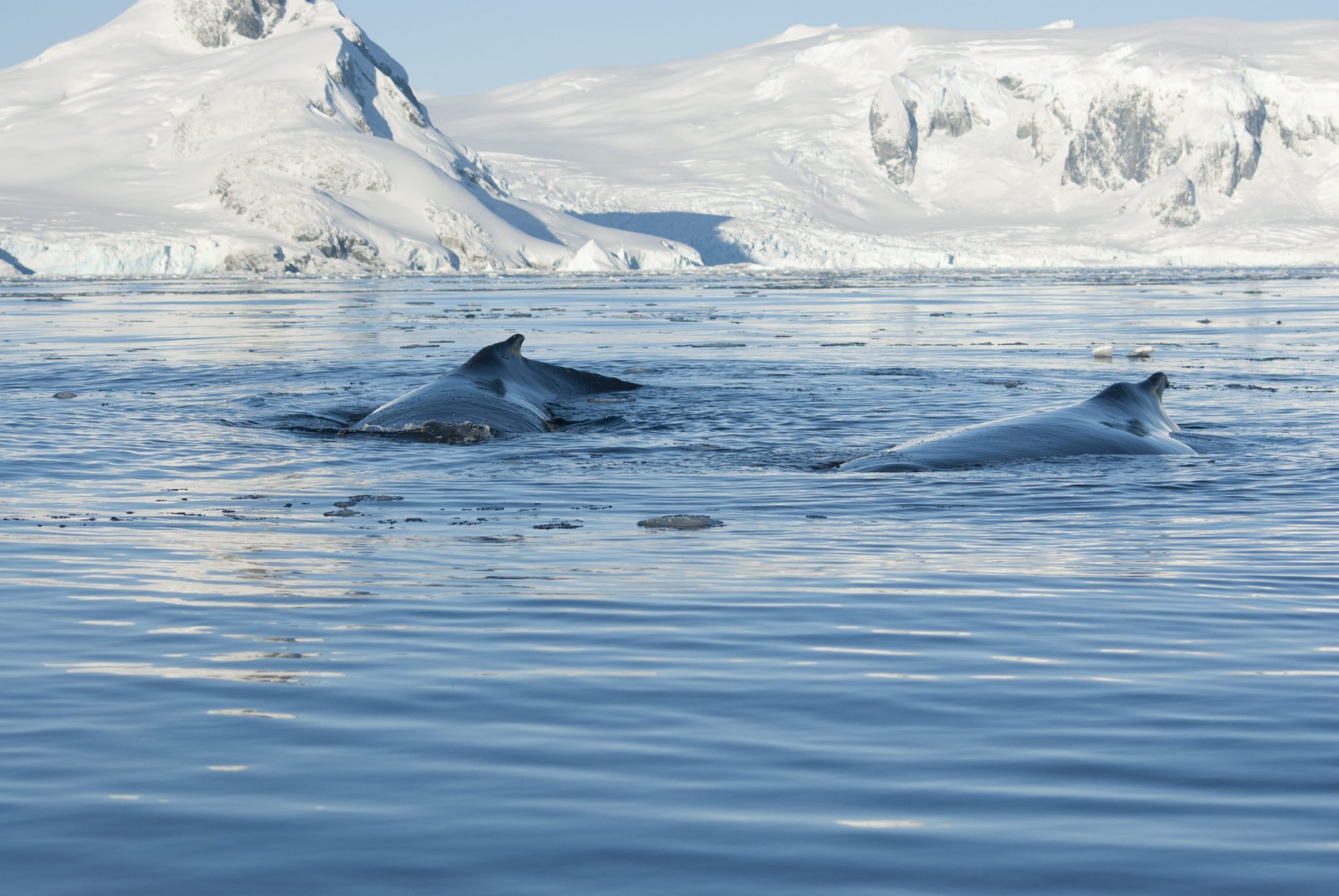
Humpback whale populations in the Southern Ocean have experienced a remarkable resurgence, nearing pre-whaling levels, according to recent findings by researchers conducting surveys near the South Orkney Islands. In February, scientists recorded multiple groups of over 100 feeding whales in a single day, a scene reminiscent of accounts from early polar explorers. This resurgence follows the cessation of commercial whaling in 1986, which saw the loss of more than 2 million whales in the region.
The recovery of humpback whales has been notably swift, with scientists expressing surprise at the size and frequency of whale groups observed. However, this positive development faces a significant threat from industrial krill trawlers operating in the same waters. These vessels, some weighing up to 3,000 metric tonnes, target Antarctic krill, which serves as the primary food source for whales, seals, and penguins.
The ecological impact of krill fishing is concerning. While whales contribute to the nutrient cycle by excreting waste that enriches the ocean, industrial trawlers remove not only krill but also the essential nutrients that support the entire marine food web. This disruption could have long-term consequences for both whale populations and the broader ecosystem.
The Commission for the Conservation of Antarctic Marine Living Resources (CCAMLR), responsible for managing Antarctic marine resources, has struggled to implement effective conservation measures. Recent efforts to establish protective agreements have been blocked by member nations, including China and Russia. Meanwhile, climate change exacerbates the situation by impacting krill populations independently of fishing activities.
In light of these challenges, researchers are proposing a voluntary 30-kilometer buffer zone around the South Orkney Islands to prohibit krill fishing. This initiative aims to create a collaborative conservation effort involving NGOs, scientists, and the fishing industry. While it would not resolve the political impasse within CCAMLR, such a buffer could provide a crucial reprieve for whale populations as stakeholders work towards a more sustainable future. The outcome of these discussions will be vital in determining the continued recovery of humpback whales in the Southern Ocean.
Check out the original article here: Source link