Image Credit: sgranchinho/123rf.com
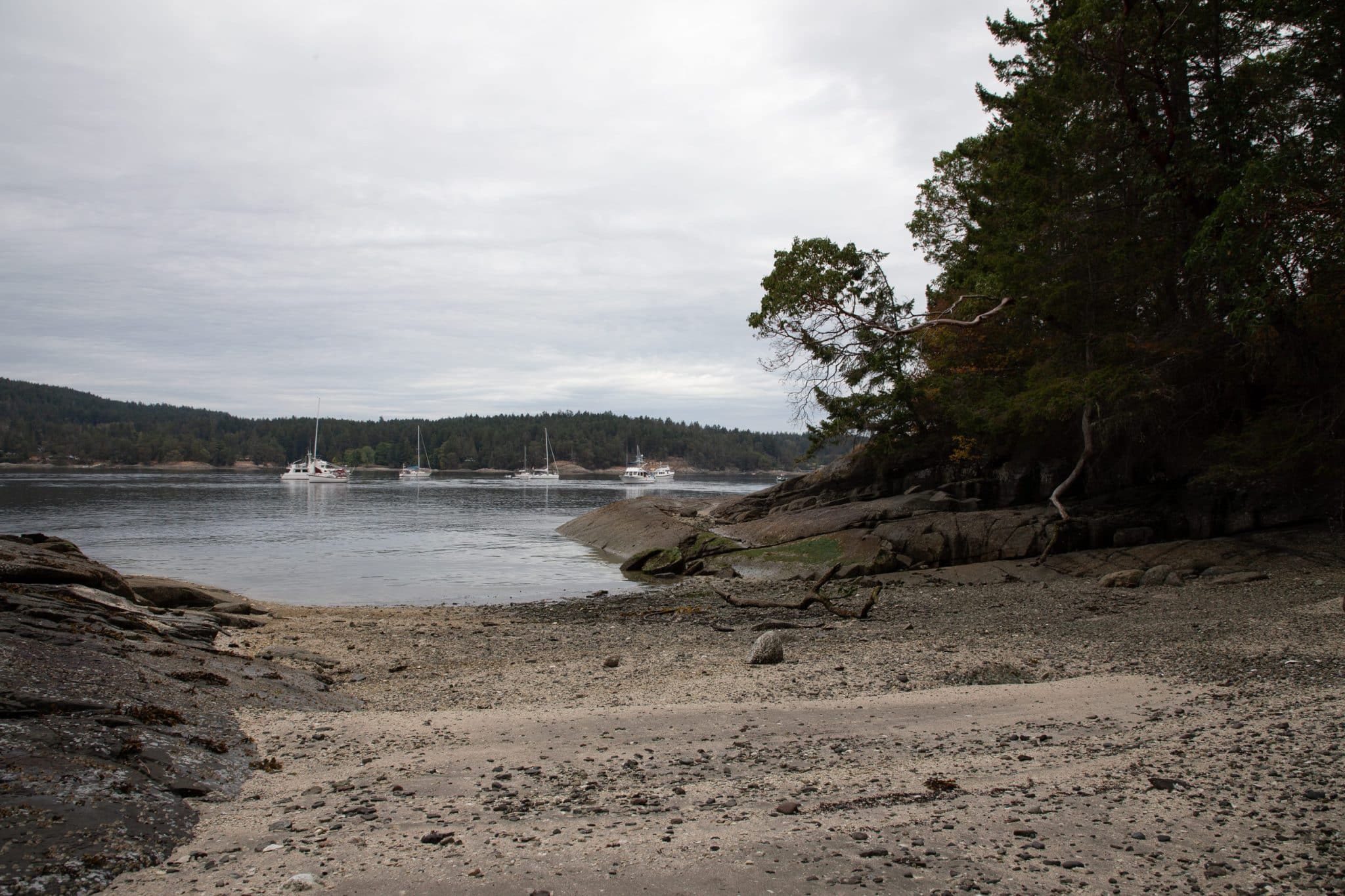
Marine ecologist Marco Hatch is spearheading an initiative to restore traditional clam gardens along the Pacific Northwest coast, collaborating with seven Indigenous communities, including the Samish Indian Nation. These clam gardens, which date back over 4,000 years, are terraced, rock-walled beaches designed by ancestors for sustainable food production. The project’s goal is to reclaim food sovereignty and access to traditional lands impacted by historical colonization and land privatization.
This restoration effort highlights a significant shift in how Western scientists engage with Indigenous knowledge. Historically marginalized as mythic or unscientific, Indigenous perspectives are increasingly recognized for their depth and validity. Research indicates that Indigenous practices can lead to improved ecosystem health; for instance, studies in British Columbia show that Indigenous-managed forest gardens yield a diverse array of food plants while enhancing overall forest vitality.
Despite the growing collaboration, challenges remain. Indigenous communities often face the burden of validating their traditional ecological knowledge through Western scientific methods before they can implement restoration practices. This dynamic was evident in a study involving the Wabanaki Nation in Maine, where researchers initially selected study plots disconnected from the community’s ancestral knowledge. The findings ultimately reaffirmed the Indigenous understanding of sustainable harvesting practices.
Recent legislative changes in Canada, such as a 2019 law mandating the integration of Indigenous knowledge in fisheries management, represent progress in acknowledging the value of these traditional practices. Furthermore, federal funding has been allocated to explore cooperative frameworks that respect both Indigenous and Western scientific methodologies.
Experts advocate for early and inclusive collaboration between Indigenous communities and researchers, emphasizing the importance of Indigenous decision-making in ecological projects. As these relationships strengthen, there is potential for revitalizing not only ecosystems but also cultural connections, fostering a deeper understanding of the interdependence between land and community.
Check out the original article here: Source link