Image Credit: depositphotos.com
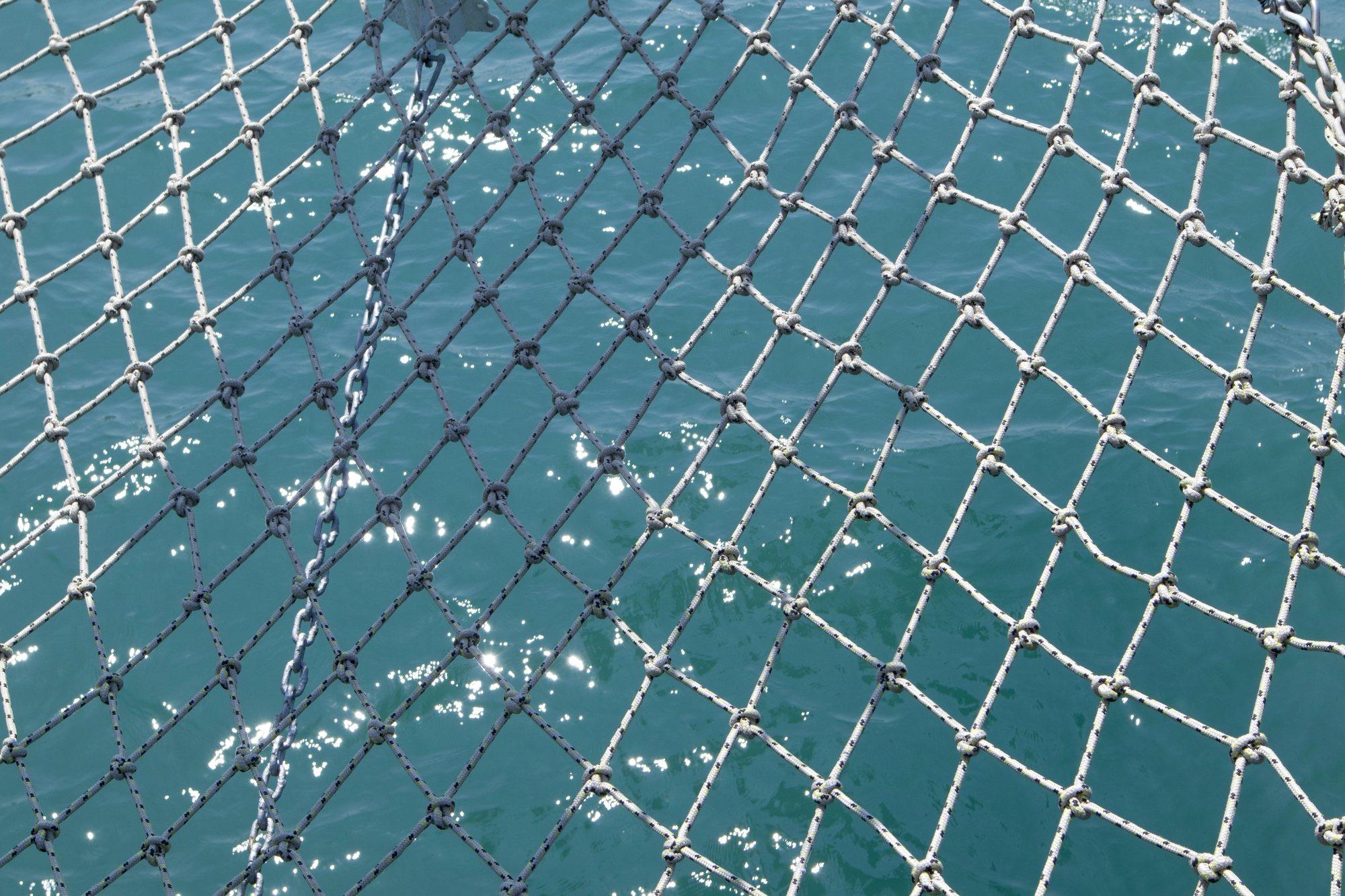
A new approach to reducing dolphin bycatch in fishing nets has emerged, offering a promising solution to a significant environmental challenge. Gillnets, which are commonly used in fishing, are notorious for unintentionally trapping marine mammals like dolphins and porpoises. Approximately 1,000 porpoises and hundreds of dolphins, including 250 common dolphins, die in gill nets in UK waters alone each year, according to the Whale and Dolphin Conservation. This issue is primarily caused by fishing bycatch, which is a leading cause of cetacean mortality worldwide.
Research led by Professor Per Berggren at Newcastle University has focused on the limitations of dolphins’ echolocation in detecting gillnets, which are often nearly invisible underwater. Traditional echolocation can fail to recognize the nylon mesh, leading to accidental entrapment. To address this, the study proposed a simple yet effective modification: attaching empty plastic and glass bottles to fishing nets.
The use of empty plastic bottles introduces a pocket of air that reflects sound waves more effectively than water, generating a stronger echo that dolphins can detect. Meanwhile, glass bottles with metal bolts inside produce sounds as they move, offering dolphins additional auditory cues.
The trials, conducted across over 1,600 fishing nets in locations including Zanzibar, Peru, and Brazil, yielded mixed results. In Peru, the bottles did not significantly reduce the bycatch of dolphins, porpoises, or turtles, although they did increase the catch of target fish and sharks. However, Berggren remains optimistic about the overall potential of this method, emphasizing that it is a cost-effective measure that can be implemented by fishermen without requiring new infrastructure.
One of the key advantages of this approach is its sustainability. The bottles can be sourced from waste plastic, making it an environmentally friendly solution. During the trials, no bottles were lost to the ocean, addressing concerns about plastic pollution.
This innovative method not only aims to protect marine wildlife but also contributes to the recycling of plastic waste, highlighting a dual benefit for the environment. As the fishing industry continues to face scrutiny over its impact on marine ecosystems, such practical and low-cost solutions may play a crucial role in conserving dolphin populations globally.
Check out the original article here: Source link