Image Credit: milkos/123rf.com
Knee stability is crucial for maintaining mobility and preventing injury, especially as individuals age. Physical therapists emphasize the importance of strengthening key muscle groups that support knee function. The quads, hamstrings, and glutes play significant roles in stabilizing the knee during various activities, such as running, climbing stairs, and squatting.
Knee stability can be defined as the ability to maintain proper alignment and positioning of the knee during movement. This stability is essential for preventing discomfort and injury over time. The knee is held in place by both passive structures, like ligaments, and active components, including the muscles trained through exercise.
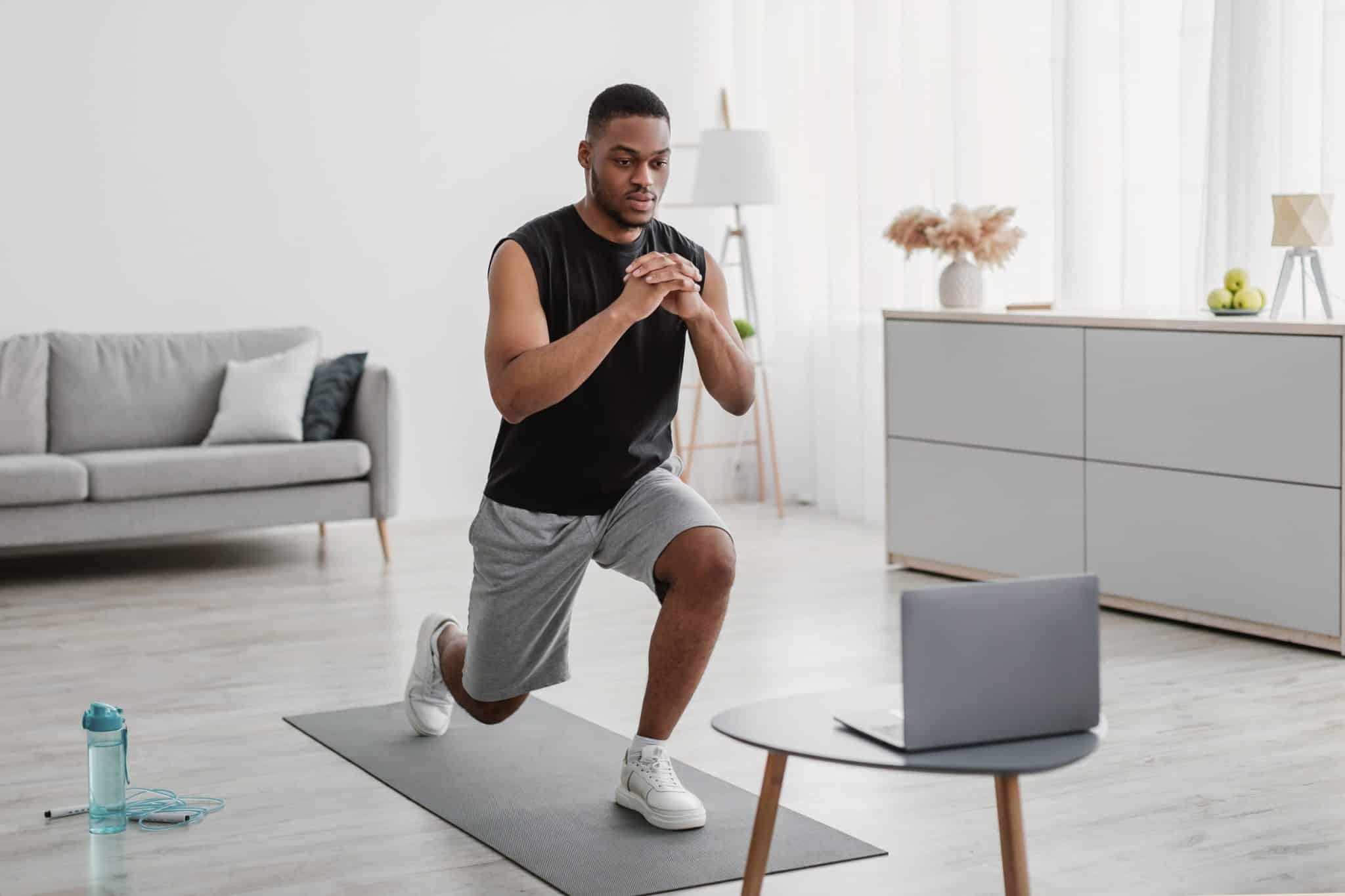
To enhance knee stability, therapists recommend three effective exercises: the step-up, forward lunge, and lateral lunge. These movements engage the quads and hamstrings while requiring the hips to maintain alignment, simulating the demands placed on the knees during daily activities.
The step-up exercise involves stepping onto a sturdy box or step, focusing on keeping the knee aligned with the foot. This foundational movement helps individuals learn proper knee positioning. The forward lunge adds complexity by requiring a controlled descent into a lunge position, promoting engagement of stabilizing muscles. Finally, the lateral lunge challenges coordination by moving sideways while flexing the knee, demanding more from the stabilizing muscles.
These exercises can be performed as a circuit, starting with 30 seconds of each exercise followed by a 30-second rest, and repeated for three to four rounds. As strength improves, individuals can increase the load by adding weights or adjusting the number of repetitions.
Incorporating these targeted movements into a fitness routine not only helps avoid injuries but also contributes to long-term physical health. Maintaining knee stability is vital for performing everyday activities such as climbing stairs, carrying groceries, and playing with children, thereby enhancing overall quality of life as one ages.
Check out the original article here: Source link