Image Credit: depositphotos.com
Researchers in North Florida have initiated a significant conservation project by planting 9,000 milkweed plants along roads in six counties, with plans to add another 6,000 plants by 2029. This initiative is part of a national effort led by the University of Illinois Chicago aimed at transforming road margins, power line easements, and rail corridors into viable habitats for monarch butterflies and other pollinators.
In a collaborative effort, Florida’s Department of Transportation has committed to managing 10,200 acres of roadside land for conservation purposes, providing a $150,000 grant to the lab of Jaret Daniels at the Florida Museum of Natural History. The grant will support the identification, growth, and planting of milkweed across the state. Early results have shown that monarchs are already utilizing the newly established plants.
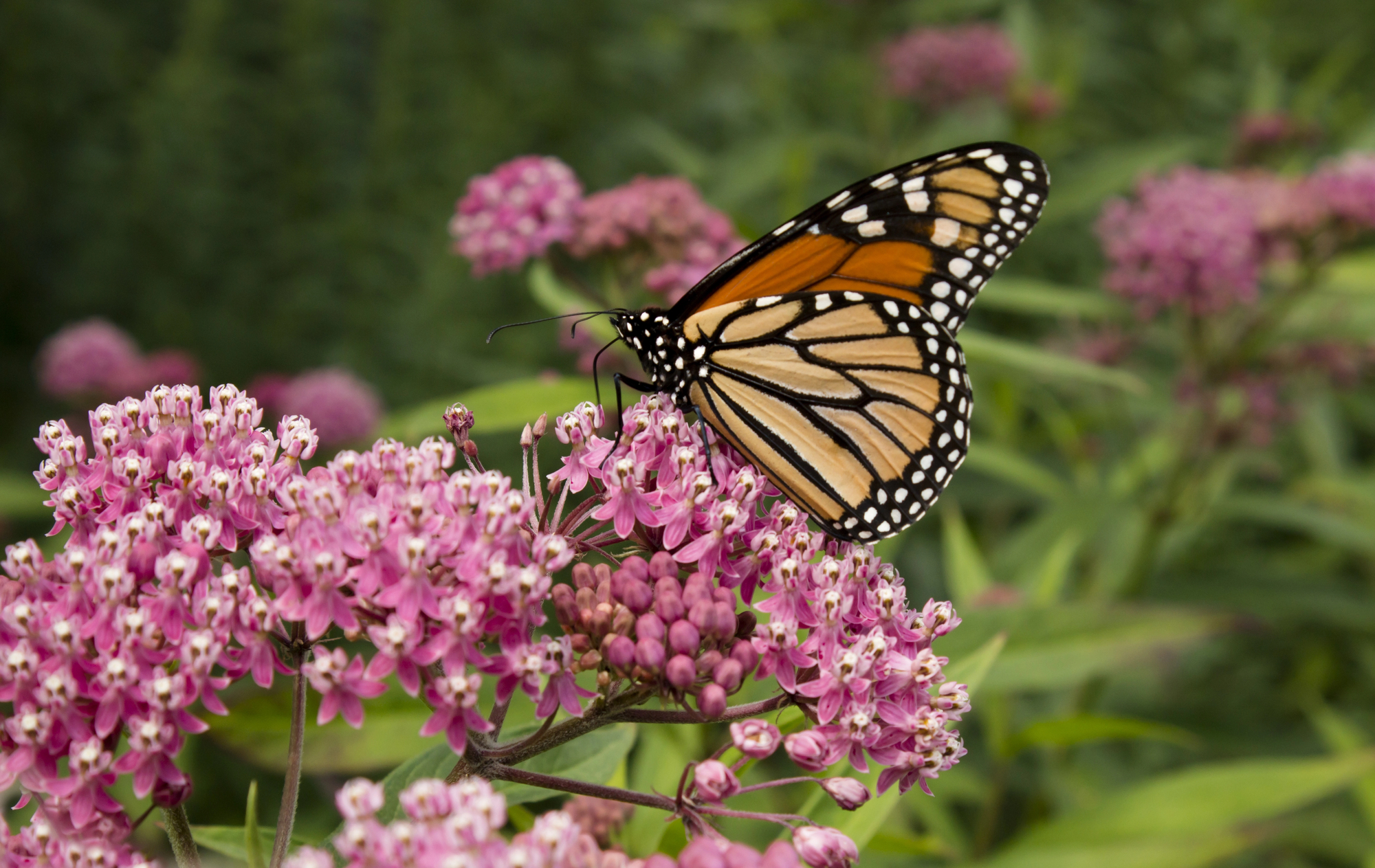
The focus on milkweed is crucial, as it is the sole host plant for monarch caterpillars, who rely on it for survival. The caterpillars have developed a unique ability to tolerate the plant’s toxic compounds, which make them unpalatable to predators. However, with the decline of milkweed populations, the future of monarchs is at risk.
During their migration, adult monarchs can travel over 100 miles daily, necessitating reliable sources of food. The establishment of continuous corridors of milkweed along highways provides essential refueling points that support their long-distance journey. Additionally, milkweed attracts various other insects, including bees, moths, and flies, thereby enhancing biodiversity in these areas.
Daniels’ team has selected two native species of milkweed for this initiative: pinewoods milkweed and butterfly weed, both of which thrive in the sandy, low-nutrient soils typical of Florida’s roadside ecosystems. The project involves the careful collection of seeds from existing populations and cultivating them in specialized nurseries to ensure high germination rates.
Site selection for planting has been strategic, with many locations adjacent to existing conservation areas or near farms that benefit from pollination. This approach aims to fill gaps in milkweed populations and enhance pollinator habitats in areas critical for agricultural productivity.
The newly planted areas are designated as wildflower zones and are already showing signs of success, with blooming flowers and sightings of monarch butterflies. The ongoing monitoring of these sites will inform future expansion into additional counties and states, contributing to the broader goal of supporting pollinator populations in North America.
Check out the original article here: Source link