Image Credit: By Photo by Ivan Boden. – U.S. Department of Energy from United States – Boden_000140_166043_510376_4578, Public Domain, https://commons.wikimedia.org/w/index.php?curid=74496962
The clean energy transition is making significant strides as innovative energy storage solutions emerge to address a critical challenge: storing renewable energy for use when generation is low. While solar and wind power generation technologies are well-established, the ability to store that energy efficiently remains a pressing issue.
Recent developments indicate a shift towards unconventional methods of energy storage. One notable project is taking shape in the United Arab Emirates, where a vast solar installation spanning an area equivalent to approximately 12,600 football fields is being paired with a groundbreaking battery scheme. This project, featuring 5.2 gigawatts (GW) of solar capacity, is set to incorporate 19 gigawatt-hours (GWh) of battery storage, the largest of its kind globally. The stored energy will provide enough power to supply around half a million homes during nighttime hours.
Meanwhile, researchers at the National Renewable Energy Laboratory in Colorado are exploring miniaturized battery solutions that can fit within electronic tracking tags for small aquatic species, such as young salmon and eels. Both initiatives underscore the urgency of finding effective energy storage solutions, particularly as reliance on conventional lithium-ion batteries raises environmental concerns due to their resource-intensive production processes.
Innovative projects utilizing liquid air and molten salt are gaining attention for their potential to enhance energy storage capabilities. In Trafford, England, construction has begun on Highview Power’s Carrington project, which will store electricity by cooling air to -321°F (-196°C) until it becomes liquid. This liquid air can be stored and later converted back to gas to generate electricity, offering a significant advantage over lithium-ion batteries in terms of duration. The facility is expected to provide 300 megawatt-hours (MWh) of storage with a six-hour output capacity, enough to power nearly half a million homes.
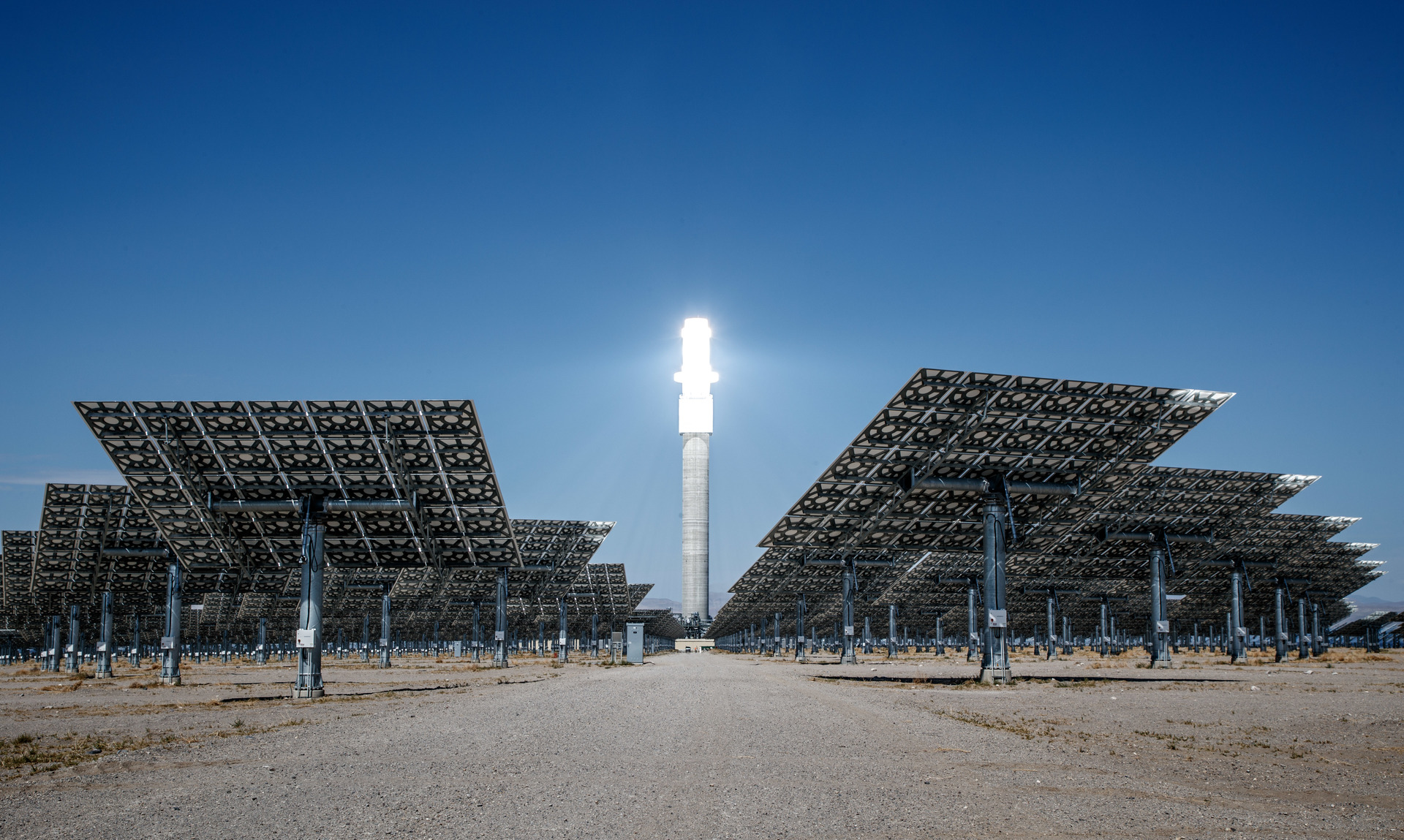
In Nevada, the Crescent Dunes project employs a different approach by using concentrated solar power to heat a tank of potassium and sodium nitrate to 1,040°F (560°C). The heated molten salt can retain energy for up to ten hours, allowing for electricity generation even after sunset. This method not only demonstrates reliability but also utilizes materials that are widely available and less contentious compared to lithium-ion battery components.
The shift toward these alternative storage methods highlights the ongoing effort to resolve the challenges of the clean energy transition. While lithium-ion technology has dominated the market, the rise of liquid air and molten salt storage solutions presents promising avenues for a more sustainable and less resource-dependent energy future.
Check out the original article here: Source link