Image Credit: depositphotos.com
Holding in a sneeze can pose unexpected health risks, according to recent findings from researchers at Washington University in St. Louis. While many individuals may think that suppressing a sneeze is harmless, it can lead to serious injuries, including ruptured eardrums and damage to the throat lining.
Sneezing serves as a natural defense mechanism, clearing irritants and pathogens from the upper airway. The force generated during a sneeze is significant, as the diaphragm and intercostal muscles work together like a pressurized system. When the exits for a sneeze are blocked—such as pinching the nose and closing the mouth—the pressure generated can redirect into sensitive areas like the nasopharynx, sinuses, and even the middle ear.
In some cases, this redirected pressure can cause injuries. Ruptured eardrums and middle-ear barotrauma are common consequences of suppressed sneezes, where the ear experiences pressure beyond its capacity. More severe injuries can include cervical emphysema, which occurs when air becomes trapped under the skin of the neck, and pneumomediastinum, where air leaks into the space between the lungs.
While the likelihood of requiring emergency medical attention from a single suppressed sneeze is low, the potential for injury exists. The structures involved in sneezing extend from the ear to the chest, highlighting the significant forces at play.
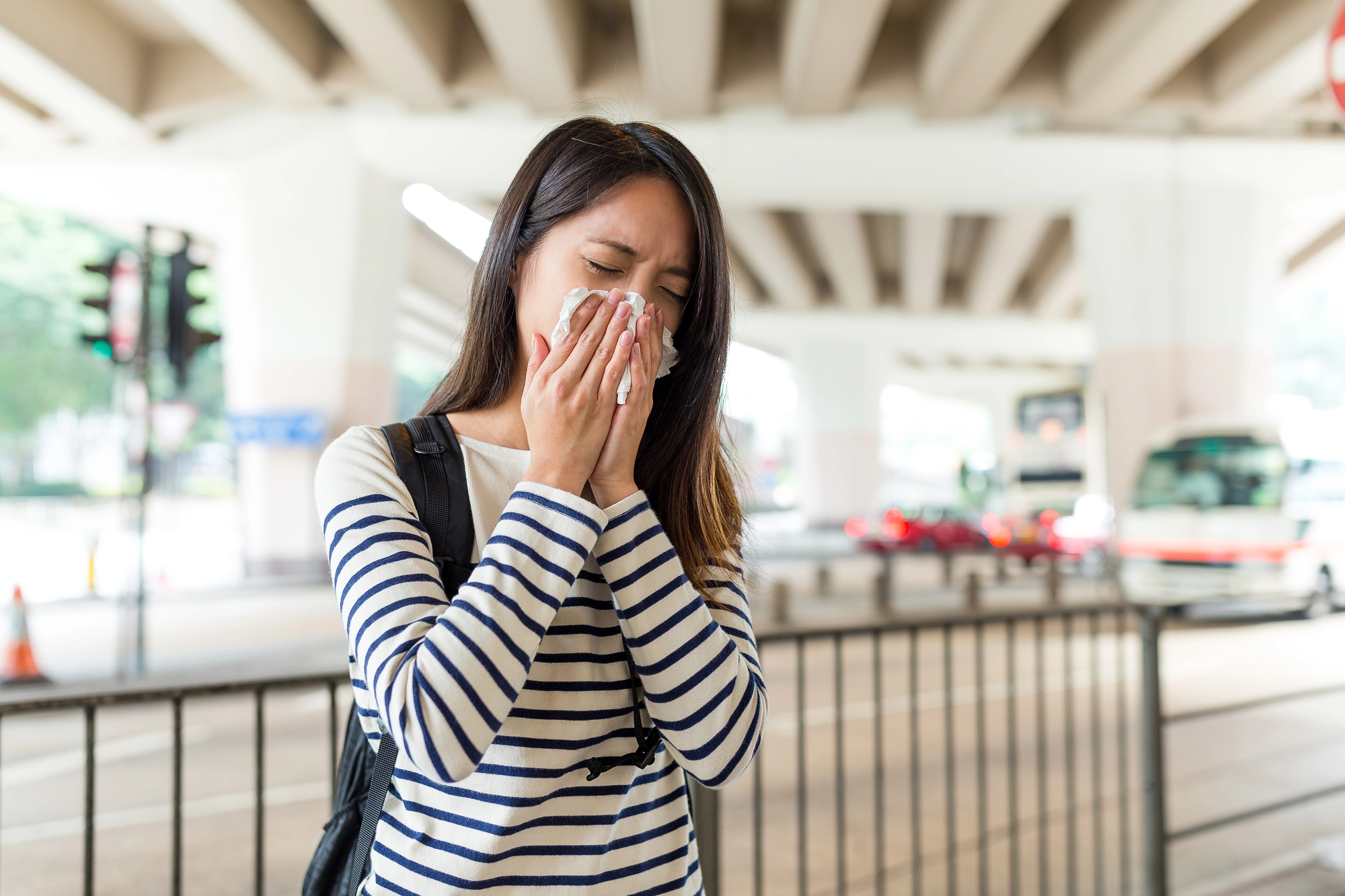
To mitigate these risks, experts advise allowing sneezes to occur naturally, ideally into a tissue or the elbow. If necessary, individuals can minimize pressure buildup by keeping their mouths slightly open or employing techniques to interrupt the sneeze reflex before it fully engages. These techniques include altering breathing patterns or applying mild pressure near the nose.
Ultimately, the safest approach to handling a sneeze is to let it happen in a controlled and hygienic manner, thereby avoiding potential injuries.
Check out the original article here: Source link