Image Credit: depositphotos.com
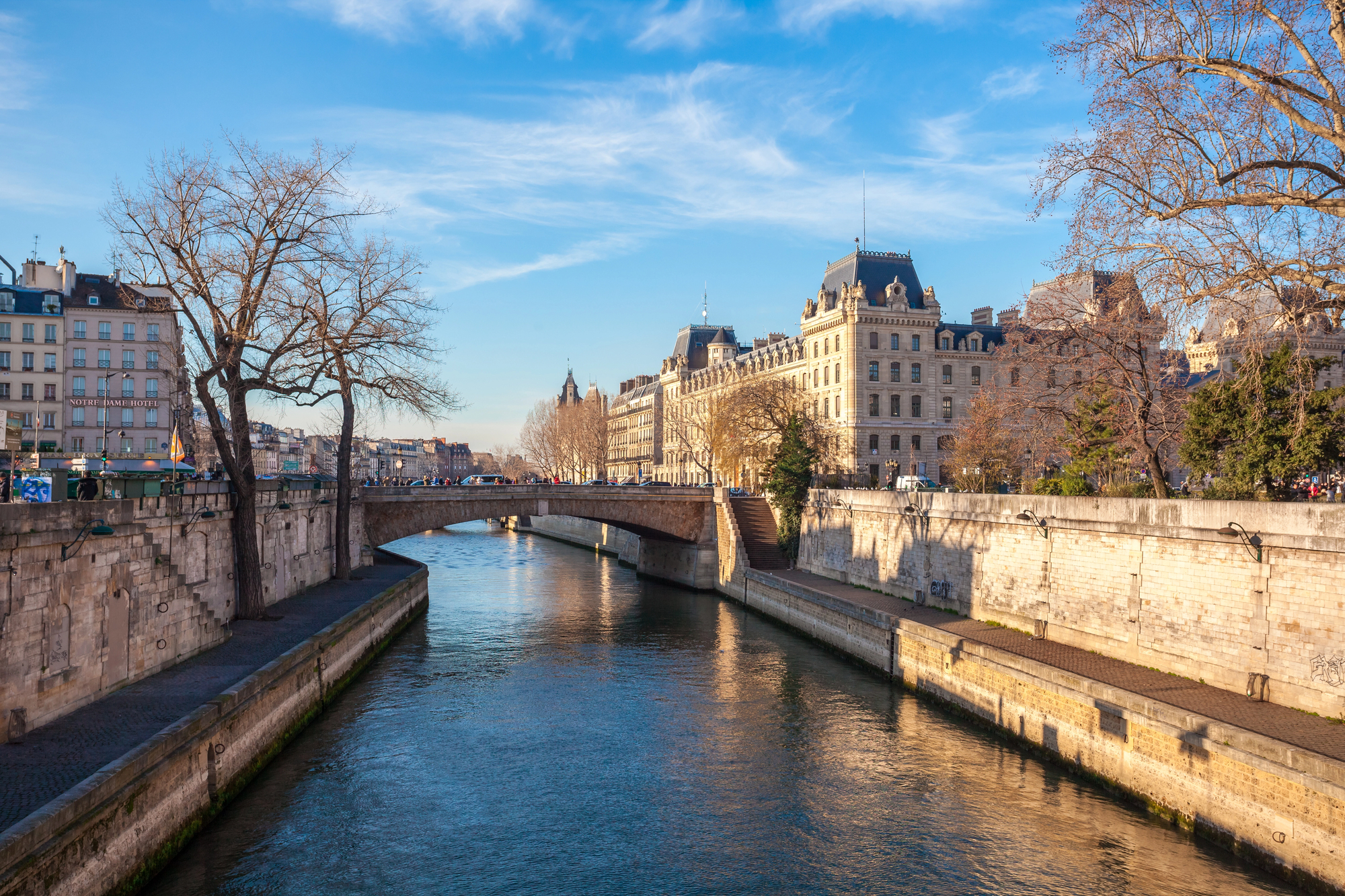
Paris is set to significantly expand its innovative district cooling network, known as Fraîcheur de Paris, which utilizes cold water from the Seine River to cool buildings throughout the city. This initiative aims to combat urban heat and reduce the environmental impact of traditional air conditioning systems.
Currently, the network operates 120 kilometers (75 miles) of underground pipes, drawing cold water from the Seine and circulating it through buildings. Warm return water from these buildings is sent back to the river, ensuring minimal ecological disruption. The system serves notable landmarks such as the Louvre, the Grand Palais, and various hospitals and schools, providing a centralized cooling solution that operates more efficiently than individual air conditioning units.
By 2042, Paris plans to triple the size of this network, extending its reach to over 3,000 buildings across all city arrondissements. The initiative prioritizes institutions such as hospitals, schools, day-care centers, and retirement homes. The expansion is part of a 20-year contract valued at €2.4 billion (approximately $2.6 billion) held jointly by transportation company RATP and energy provider Engie, with the city maintaining ownership of the network.
District cooling systems like Fraîcheur de Paris reduce energy consumption and heat discharge associated with conventional air conditioning. Research indicates that such systems can operate with significantly less energy compared to multiple individual cooling units. This shift could decrease overall energy demand and reduce waste heat in urban environments, addressing one of the challenges posed by rising global temperatures.
While cities like Stockholm and Toronto have implemented similar systems using local water bodies, Paris’s approach is tailored to its unique urban landscape. The success of district cooling depends on a combination of factors, including population density and the availability of suitable water sources. Experts emphasize that solutions must be adapted to local conditions rather than directly replicated from one city to another.
As global temperatures continue to rise, innovative cooling solutions like those in Paris represent a promising step toward sustainable urban living. The success of this initiative could encourage other cities to explore similar strategies in their fight against urban heat.
Check out the original article here: Source link