Every year, The Earth Prize invites teenagers from around the globe to propose innovative solutions to pressing environmental issues. This initiative has engaged over 21,000 students from 169 countries since its inception five years ago, emphasizing that those closest to environmental problems often have the most effective solutions.
In 2023, seven regional winners were announced, with each team receiving $12,500 in funding to develop their projects. A global winner will be determined through public voting on May 29. Here are highlights from four of the regional winners.
In Ireland, Arya Satheesh, 18, developed Eco Purge, a plant-based plastic that combats existing plastic pollution. This biodegradable material is embedded with enzymes that gradually release as the plastic breaks down, further degrading microplastics in various environments, including soil and water. Collaborating with researchers from University College Dublin and BiOrbic Bioeconomy Research Centre, Arya aims to scale this technology for use in packaging and compost bags.
Kenya’s Fredrick Njoroge Kariuki and Miron Onsarigo, both 17, created HewaSafi, a vehicle exhaust filter made from agricultural waste, coconut shells, and algae. Targeting urban air pollution, particularly from shared minibuses and motorcycle taxis, this innovative design captures over 90 percent of particulate matter and reduces carbon emissions. The team has conducted pilot tests with local transportation associations and plans to offer the product with installment payment options.
In Gaza, sisters Tala and Farah Mousa were recognized as the Middle East regional winners for their project, Build Hope Palestine. This initiative repurposes debris from damaged buildings into non-load-bearing blocks for various applications, such as garden beds and pavements. Their method is designed to be easily replicable in communities without specialized machinery, empowering local youth through hands-on workshops.
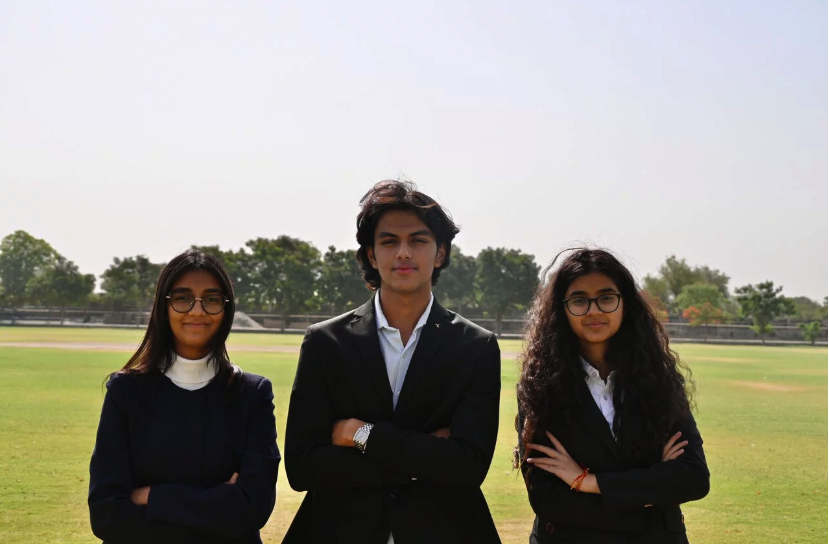
In India, a team of three 16-year-olds—Vivaan Chhawchharia, Ariana Agarwal, and Avyana Mehta—developed Plas-Stick, a biodegradable powder made from tamarind seeds. This innovative solution addresses the global issue of microplastics in drinking water by attracting and clumping them together for easy removal using a handheld magnet. The team aims to expand their initiative to underserved rural communities, enhancing access to clean drinking water.
These projects exemplify the youth’s commitment to addressing environmental challenges and highlight innovative solutions that can be implemented on a global scale.
Check out the original article here: Source link