Image Credit: depositphotos.com
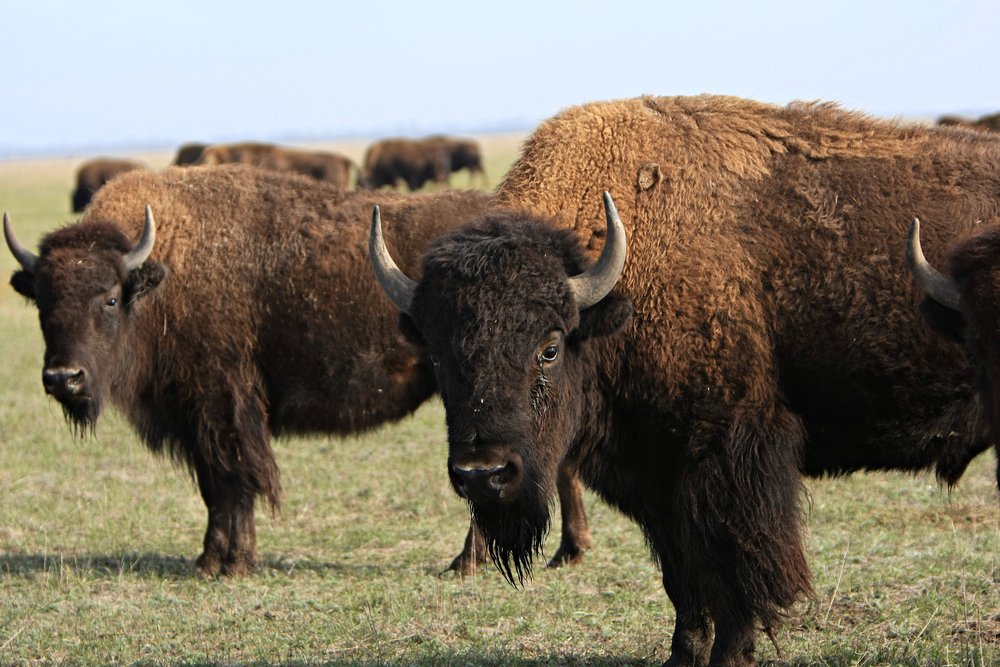
In August 2025, the Chihuahuan Desert in Mexico welcomed the return of bison after a 200-year absence, marking a significant step in ecosystem restoration. Three bison were initially released into El Santuario, a 4,000-hectare section of the Cuatrociénegas nature reserve in Coahuila state. By November, the herd had grown to 47, and the impact of their presence is already being observed.
The Cuatrociénegas reserve, which spans approximately 84,000 hectares, is recognized for its unique biological diversity, including critically endangered plant and animal species. The El Santuario section is managed by the Fundación Pro Cuatrociénegas in cooperation with local conservation organizations. The reintroduction of bison is part of a broader effort to restore the natural balance of this rich ecosystem.
Bison play a crucial role as “landscape architects.” Their grazing habits break up soil compaction, creating conditions favorable for plant growth. The animals’ movement also facilitates seed dispersal, while their dung enriches the soil, attracting beneficial organisms like dung beetles that contribute to soil health. These processes collectively enhance the landscape, reduce wildfire risk, and support biodiversity.
Since the bison’s arrival, wildlife in the area has started to thrive again. Hidden cameras have captured sightings of pumas, lynxes, and collared peccaries, along with local bird species utilizing bison fur for nesting materials. The reintroduction of this keystone species is demonstrating the interconnectedness of the ecosystem and how its restoration can lead to rapid improvements in biodiversity.
Historically, bison were hunted to extinction in this region during the 19th century. The ongoing rewilding efforts across North and Central America aim not just to reinstate large mammals but to restore the ecological functions they support. While the long-term impact of the bison herd in Cuatrociénegas remains to be fully understood, current observations hint at a positive trajectory for the area’s ecological recovery.
Check out the original article here: Source link