Image Credit: zinkevych/123rf.com
Meditation has gained popularity as a tool for enhancing mental well-being, but many beginners find their minds racing during initial attempts. Rather than achieving instant calm, newcomers often face wandering thoughts—an experience that meditation instructors emphasize is not a failure but a fundamental part of the practice.
Kirat Randhawa, a meditation instructor at Alo Moves, explains that meditation is about noticing thoughts and gently redirecting attention back to the breath. This process fosters personal growth and transformation. Regular meditation practice can cultivate inner resourcefulness, which aids in various aspects of life, including better sleep, reduced stress and anxiety, improved focus, and enhanced creativity. Research also links meditation to lower blood pressure and reduced cardiovascular mortality risk, highlighting its broader health benefits.
Among the various types of meditation, mindfulness is the most commonly practiced. It focuses on creating a clear and spacious mind through sustained concentration, which enhances emotional flexibility. Vedic meditation, on the other hand, involves using personal mantras twice daily to reach expanded awareness and is often best learned with the guidance of an instructor. Visualization meditation, including techniques like inner-child meditation, encourages behavioral change through reflective imagery.
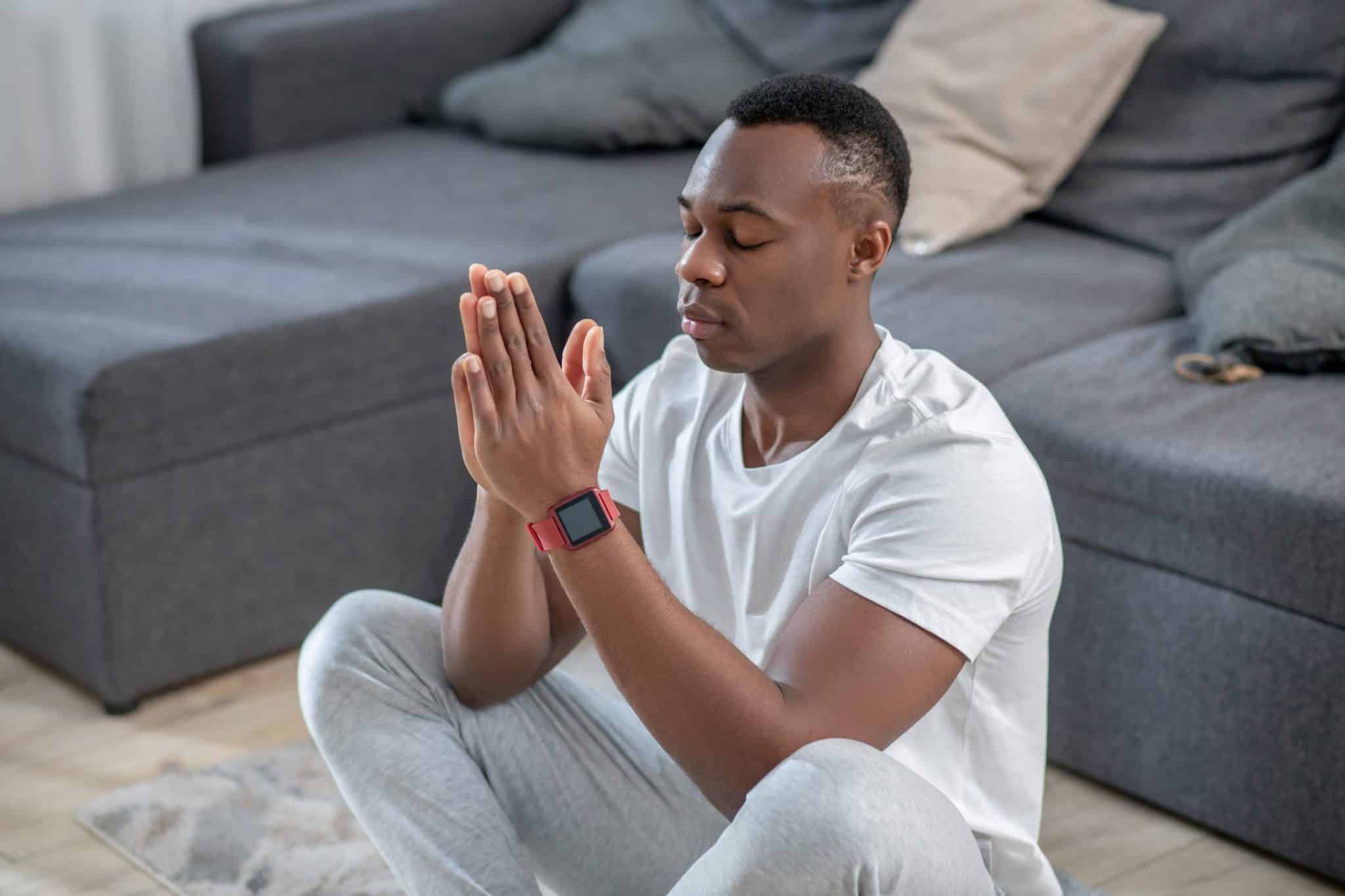
Starting a meditation practice requires minimal setup. Individuals are encouraged to find a comfortable position, close their eyes, and focus on their breathing. Counting breaths can help maintain concentration. Importantly, beginners are advised to approach meditation with realistic expectations, recognizing that even short, intentional sessions can be beneficial.
Establishing a clear intention before a session can provide direction, while identifying a consistent time for practice enhances commitment. Meditation is described as a skill that develops over time, similar to training for a marathon. Practitioners are encouraged to appreciate their efforts and to adapt their practices to fit their unique needs, whether through varying postures or incorporating silence or sound.
Ultimately, the essence of meditation lies in the act of returning to the breath each time the mind wanders. This repeated practice not only builds resilience but also fosters a deeper connection to one’s inner self.
Check out the original article here: Source link