Image Credit: pisces2386/123rf.com
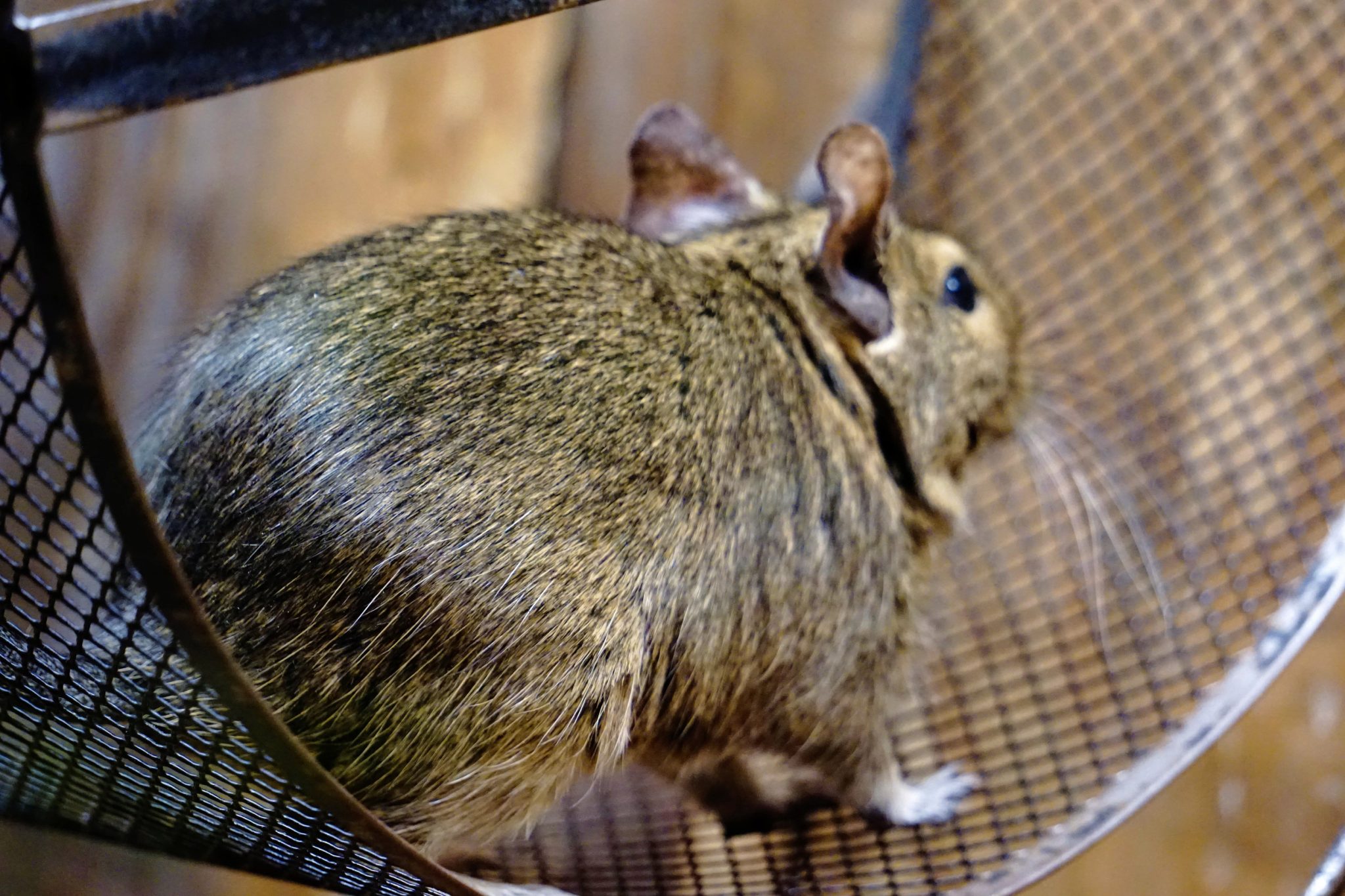
Researchers have uncovered intriguing insights into the natural behaviors of wild mice, challenging long-held assumptions about exercise in animals. A study led by Johanna Meijer and her team monitored the activity of wild mice in two distinct outdoor settings over a span of more than three years. The findings reveal that these rodents actively engaged with exercise wheels, running for extended periods without any training or external rewards.
The research, conducted in both a green urban area and a remote dune site, recorded that wild mice accounted for 88% of the total wheel-running activity, although other species such as shrews, frogs, and slugs also participated. This behavior contradicts previous beliefs that wheel running was primarily a product of captivity-induced stress. Instead, the study highlights that rodents are naturally inclined to cover vast areas, supported by their physiological capabilities.
A key factor in this behavior appears to be the brain’s reward system, particularly the role of dopamine—a neurotransmitter associated with pleasure and motivation. The study suggests that wild mice may derive a sense of enjoyment from running, similar to other animals that engage in seemingly purposeless bursts of energy. This phenomenon, referred to as “nip-norting” by researcher Dr. Theodore Garland Jr., indicates that these animals may seek out physical activity for its intrinsic rewards.
Additionally, the research emphasizes the significance of early exposure to exercise. Mice allowed access to wheels shortly after weaning demonstrated a marked increase in running behavior as adults compared to those introduced to the wheels later. This finding raises important questions about developmental opportunities for physical activity in young organisms, including humans. The implications of this study suggest that fostering a culture of movement early in life could have lasting effects on exercise habits and overall well-being.
Overall, the study offers valuable insights into the natural inclinations of wild mice and suggests that the foundation for a lifetime of physical activity may be established in early development.
Check out the original article here: Source link