Image Credit: depositphotos.com
Researchers at the University of Manchester have developed an innovative approach to combat urban heat by utilizing rainwater harvesting systems on rooftops. Their study, published in the journal Earth’s Future, reveals that this method can significantly reduce energy consumption and lower outdoor temperatures in cities.
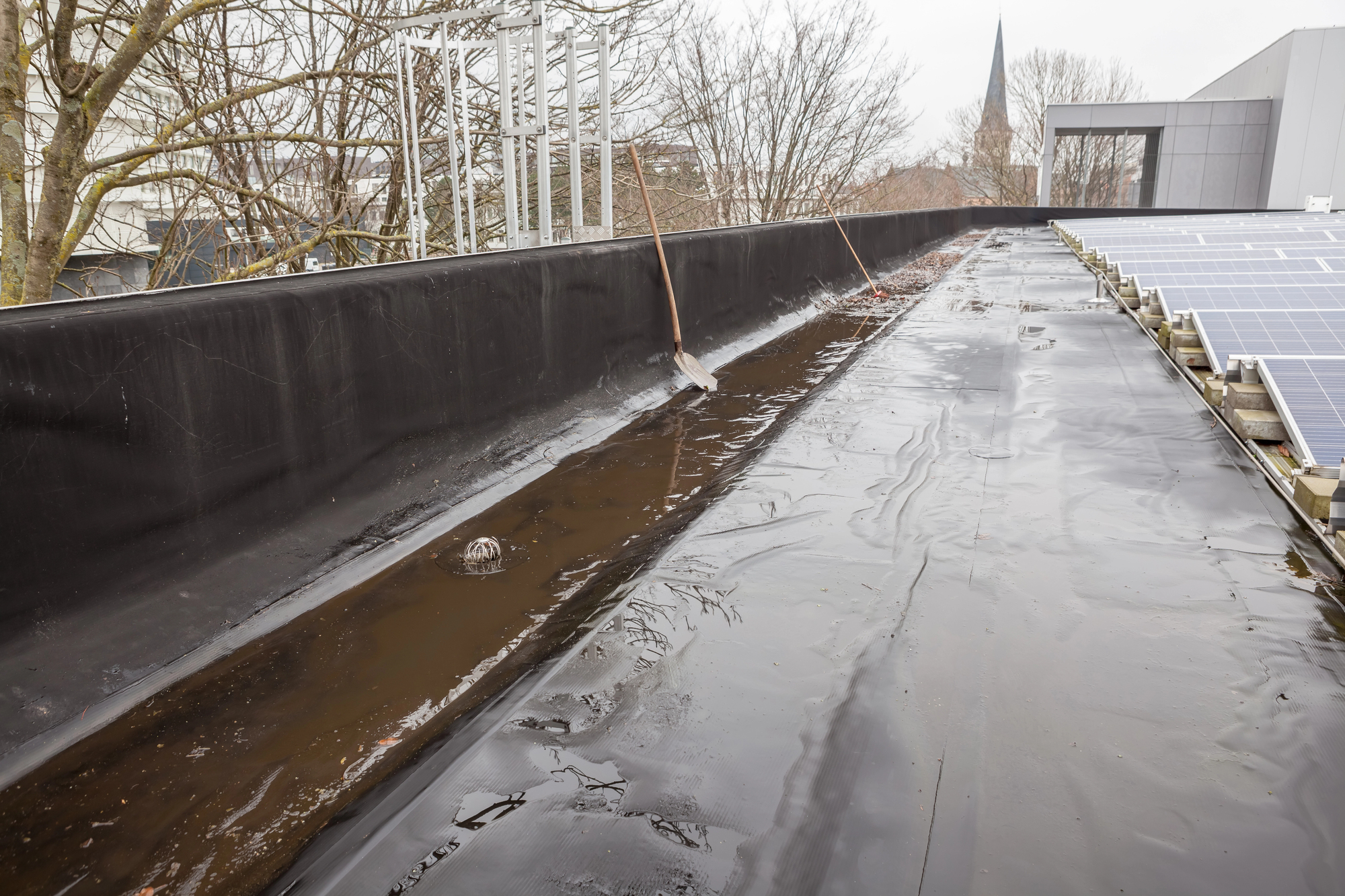
The research outlines a system that captures rainwater on rooftops, stores it in tanks, and automatically sprays it onto building surfaces when temperatures rise. This technique leverages the cooling effects of evaporation, reducing the reliance on air conditioning units, which contribute to higher outdoor temperatures by expelling heat. The findings were modeled using Tokyo as a test case but are applicable to urban planners worldwide.
The study revealed a key insight: the timing of the sprinklers’ activation is more critical than the size of the water storage tanks. Researchers found that larger tanks did not lead to proportionate reductions in energy use or extreme heat days, and excess water that does not evaporate can contribute to standing water issues.
In 2022, air conditioning accounted for approximately 2,100 terawatt-hours of electricity globally, representing about seven percent of total energy consumption. The International Energy Agency projects that the number of air conditioning units could nearly triple over the next three decades, intensifying the strain on electricity grids and increasing greenhouse gas emissions. The research highlights the urgency of finding sustainable cooling solutions to address these growing challenges.
Other studies support the idea of optimizing rooftop spaces for cooling. A recent investigation by UCL and the University of Exeter explored the hypothetical impact of painting rooftops white in London during a particularly hot summer. The findings suggested that such a measure could have reduced the city’s average temperature significantly.
Both rainwater harvesting and cool roofs present viable strategies for mitigating urban heat without requiring complex infrastructure. As cities continue to face the effects of climate change, these innovative solutions could enhance resilience and improve urban living conditions.
Check out the original article here: Source link