Image Credit: kateshephard/123rf.com
A Bristol-based startup, NPK Recovery, is embarking on an innovative project aimed at addressing the critical condition of Britain’s native woodlands, with only seven percent currently deemed healthy. The initiative involves converting urine collected from large events into a nutrient-rich fertilizer, which will be used to cultivate 4,500 native trees over the next three years.
The company processes urine collected from festivals such as the London Marathon and Boomtown Festival, extracting contaminants and concentrating essential nutrients—nitrogen, phosphorus, and potassium—needed for plant growth. Early field trials indicate that this urine-derived fertilizer performs comparably to traditional synthetic alternatives, while also being odor-free.
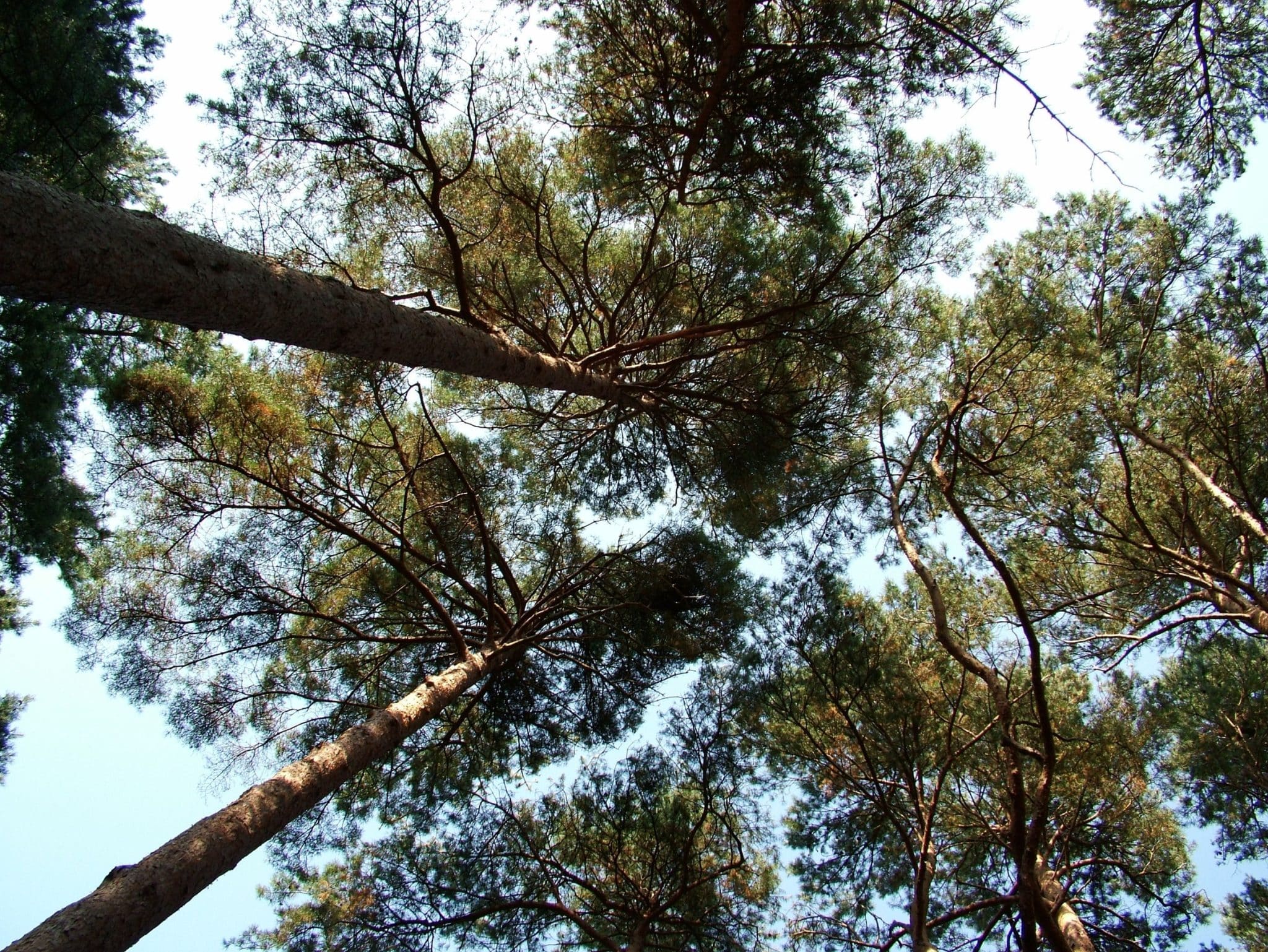
Funded by a £435,627 grant from the Forestry Commission, this project represents the first time urine-based fertilizer will be utilized in tree cultivation in the UK. The trees, including beech and Scots pine, will be grown at a nursery in Abergavenny, South Wales, operated by the charity Stump up for Trees, which aims to plant one million trees as part of its mission.
Once the trees are established, they will be planted in Bannau Brycheiniog National Park, also known as the Brecon Beacons. The initiative is seen as a potential solution to the challenges facing Britain’s woodlands, which have been impacted by pests, pathogens, and rising fertilizer costs linked to ongoing global conflicts.
NPK Recovery’s project not only focuses on immediate tree growth but also aims to provide a sustainable alternative for fertilizer production, reducing reliance on imported sources. Over the next three years, researchers will monitor the growth rates of the trees, comparing them against those treated with synthetic fertilizers to determine the viability of this eco-friendly approach.
This groundbreaking effort underscores a growing interest in sustainable practices within forestry and agriculture, as stakeholders look for innovative ways to revitalize native species and enhance fertilizer security in the UK.
Check out the original article here: Source link