Image Credit: depositphotos.com
September marks a significant month for stargazers, offering a variety of celestial events that enhance the night sky experience. As the Northern Hemisphere transitions into autumn, the visibility of the Milky Way’s core will soon diminish, making this an ideal time for skywatching enthusiasts.
From September 6 to 7, early risers can observe a striking conjunction of the crescent moon and Mars in the pre-dawn sky. These two celestial bodies will be positioned within three degrees of each other, followed by the rise of Jupiter and Saturn, creating a captivating sight.
The new moon on September 11-12 provides an excellent opportunity for those seeking dark skies. With minimal lunar glow, this period is perfect for viewing the Milky Way in its full glory, particularly as it is one of the last chances to see its core from the Northern Hemisphere until spring.
On September 14, the crescent moon will accompany Venus shortly after sunset, appearing within five degrees of each other. This close encounter will be visible for about an hour before both dip below the horizon.
September 18 will see Venus reach its peak brightness, making it easily identifiable against the western horizon just after sunset. In proximity, Mercury will also be visible, adding to the evening’s celestial display.
The arrival of the autumn equinox on September 22 not only marks the official start of fall but also signals the beginning of aurora season. This time of year often brings increased northern lights activity as solar winds interact with Earth’s magnetic field. While predicting auroras can be challenging, this month holds promise for spectacular displays, particularly in higher latitudes.
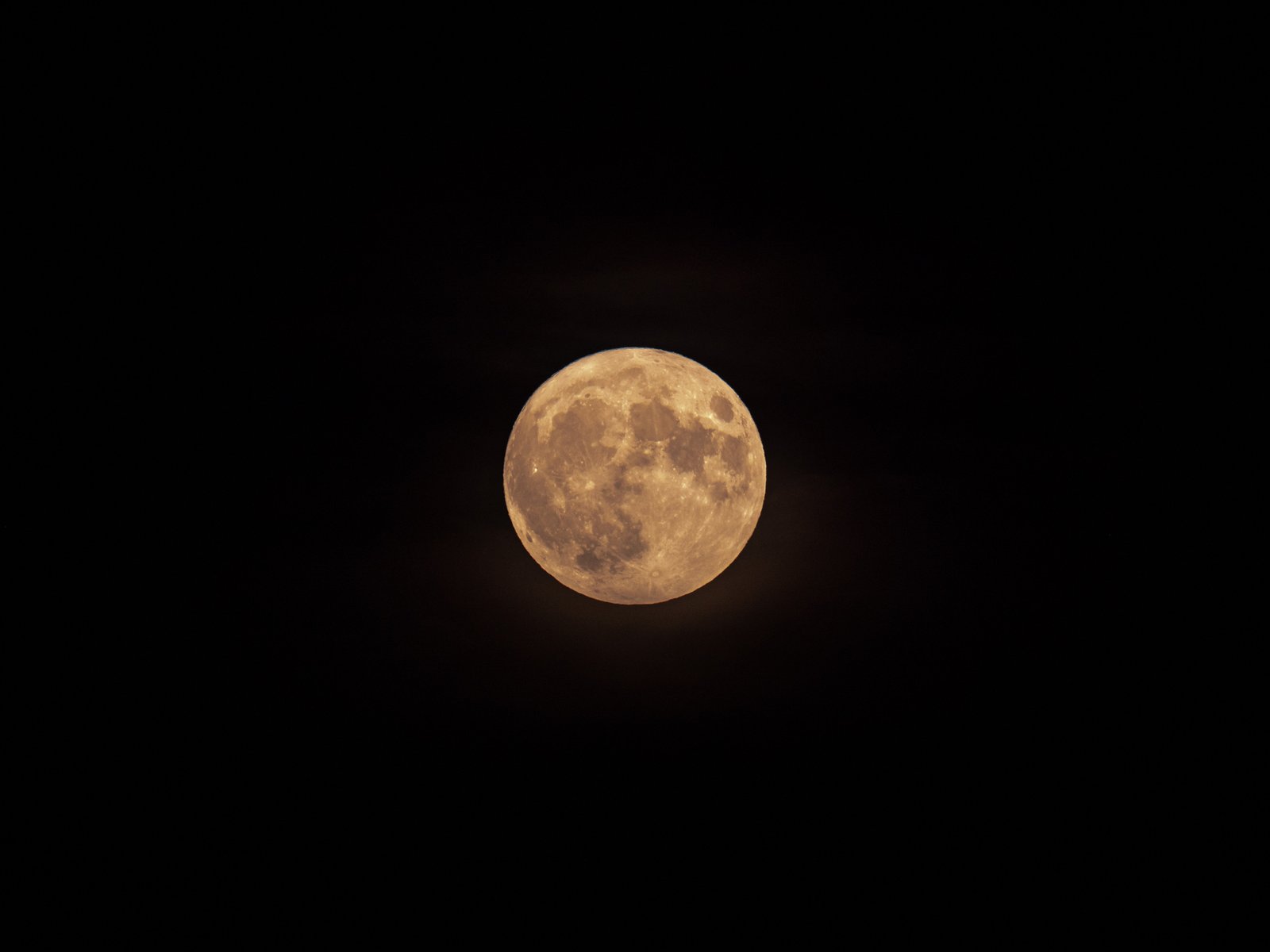
On September 25, Mars will align with the Gemini twins, Castor and Pollux, in the eastern sky, creating another picturesque sight for observers. The month culminates with the Harvest Moon on September 26, which will rise close to sunset, providing ample opportunity to witness its large, orange appearance near the horizon.
Throughout September, the Andromeda Galaxy becomes particularly prominent. In a dark setting, this neighboring galaxy is visible to the naked eye, and binoculars or small telescopes can reveal more intricate details.
With a series of celestial events lined up, September offers a rich tapestry of opportunities for skywatchers to connect with the universe.
Check out the original article here: Source link