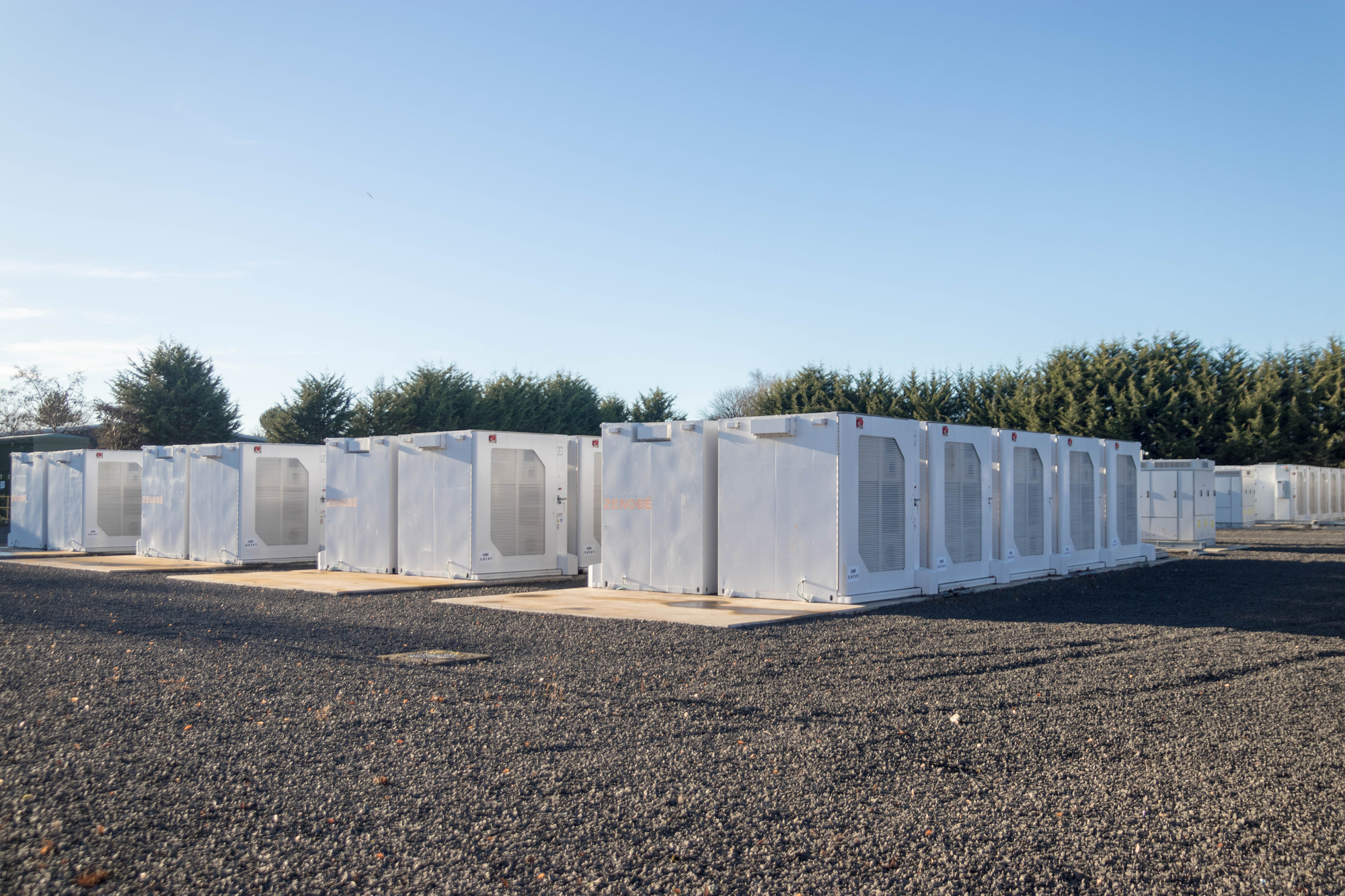
Image Credit: Representative battery photo. (lennystan/depositphotos)
A groundbreaking energy project has been launched in Kern County, California, marking a significant advancement in renewable energy storage. The Tumbleweed battery installation, with a capacity of 125 megawatts, has become the first major facility in the United States capable of discharging electricity for eight consecutive hours. This innovative project aims to address the timing mismatch between solar energy generation and peak electricity demand.
Traditionally, grid batteries have only been able to discharge for up to four hours. This limitation was primarily due to economic factors, as market conditions and equipment costs favored shorter-duration systems. However, California regulators recognized the need for longer-duration storage solutions in 2021 and began mandating utilities to procure such resources.
The Tumbleweed project is designed to play a critical role in California’s clean energy landscape, capturing solar energy generated during the day and providing it to the grid later in the evening when demand peaks. The project has effectively doubled its storage capabilities by increasing the number of battery units on-site, allowing it to provide reliable power for extended periods.
The battery technology employed at Tumbleweed utilizes lithium-ion phosphate cells, a proven and cost-effective solution. This advancement adds pressure to the ongoing debate about the viability of lithium-ion batteries for longer-duration energy storage, as Tumbleweed demonstrates their capability to meet these demands.
Currently, California experiences strong solar generation from approximately 8 a.m. to 6 p.m. The Tumbleweed installation is strategically located near solar fields, allowing it to efficiently absorb and store excess energy during the day. This stored energy can then be released during the evening hours, significantly contributing to the state’s renewable energy goals.
As California continues to transition towards a cleaner energy future, the success of the Tumbleweed project could pave the way for similar initiatives across the country, ultimately enhancing the grid’s reliability and sustainability.
Check out the original article here: Source link