Image Credit: annazdasiuk/123rf.com
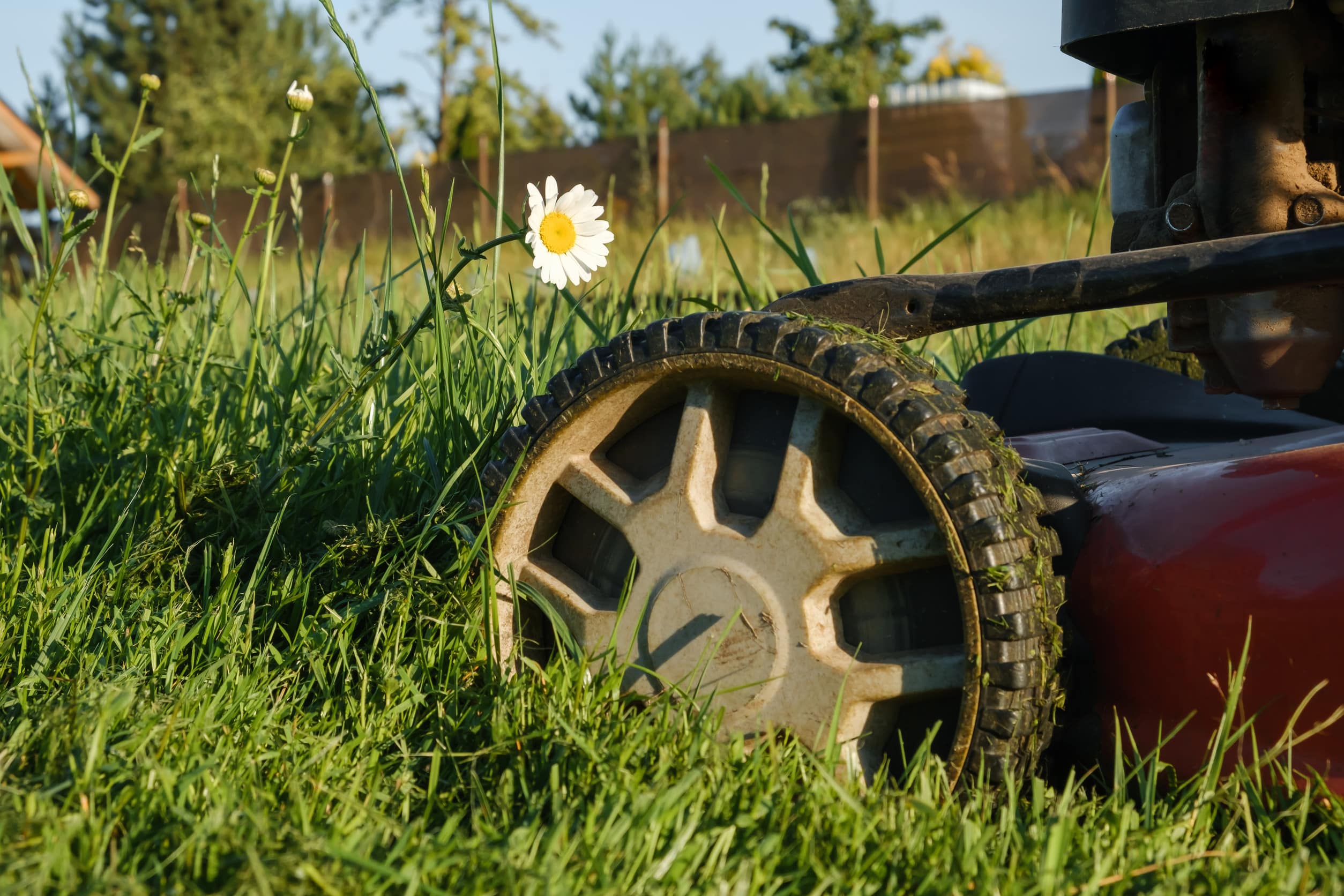
A conservation initiative known as No Mow May is gaining traction across North America, encouraging citizens to refrain from mowing their lawns during the month of May to support early-season pollinators. The campaign emphasizes the importance of allowing wildflowers such as dandelions and violets to flourish, providing essential food sources for bees and other pollinators at a critical time in their life cycles.
With approximately one in four native bee species in North America facing the risk of extinction, the initiative aims to raise awareness and contribute to the conservation of these vital insects. Notably, species like the queen rusty patched bumble bee emerge in spring, making the timing of this campaign particularly significant.
Despite its growing popularity since its inception in 2020, the campaign has sparked debate among experts regarding its effectiveness. Proponents highlight several benefits of No Mow May. It is a low-cost initiative that requires minimal commitment, making it accessible to a wide audience. Research indicates that lawns can support a variety of bee-friendly flowers, with studies showing significant bee populations thriving in herbicide-free lawns.
Furthermore, No Mow May serves as a catalyst for community discussions about pollinator conservation, promoting awareness and engagement among neighbors.
However, critics point out potential drawbacks, including the notion that letting grass grow uncontrolled may complicate access to low-growing flowers for bees. Additionally, the initiative only provides food sources for a limited time, which may not adequately address the year-round needs of pollinators.
Experts suggest several strategies for those participating in No Mow May. Educating neighbors about the initiative can help mitigate concerns about unkempt lawns. Additionally, participants are advised to check local regulations regarding lawn height before pausing mowing activities. Once May concludes, it is recommended to ease back into regular lawn maintenance gradually.
For those who prefer a tidier approach, alternatives such as Low Mow May—where lawns are mowed less frequently—and Slow Mow Summer—promoting higher mowing for the entire summer—can also benefit pollinators.
While No Mow May may not be a comprehensive solution to pollinator decline, it represents a step toward rethinking lawn care and fostering habitats for bees and other wildlife. The initiative has inspired broader conservation efforts, including planting native wildflowers and reducing pesticide use, highlighting the importance of small actions in the fight against biodiversity loss.
Check out the original article here: Source link