Image Credit: depositphotos.com
An increasing number of parents are recognizing the importance of unstructured time for their children, a concept championed by British psychoanalyst Donald Winnicott in his 1958 work, “The Capacity to Be Alone.” Winnicott argued that the ability to be comfortably alone is a crucial sign of emotional maturity, and it flourishes not in isolation but in the presence of a trusted caregiver.
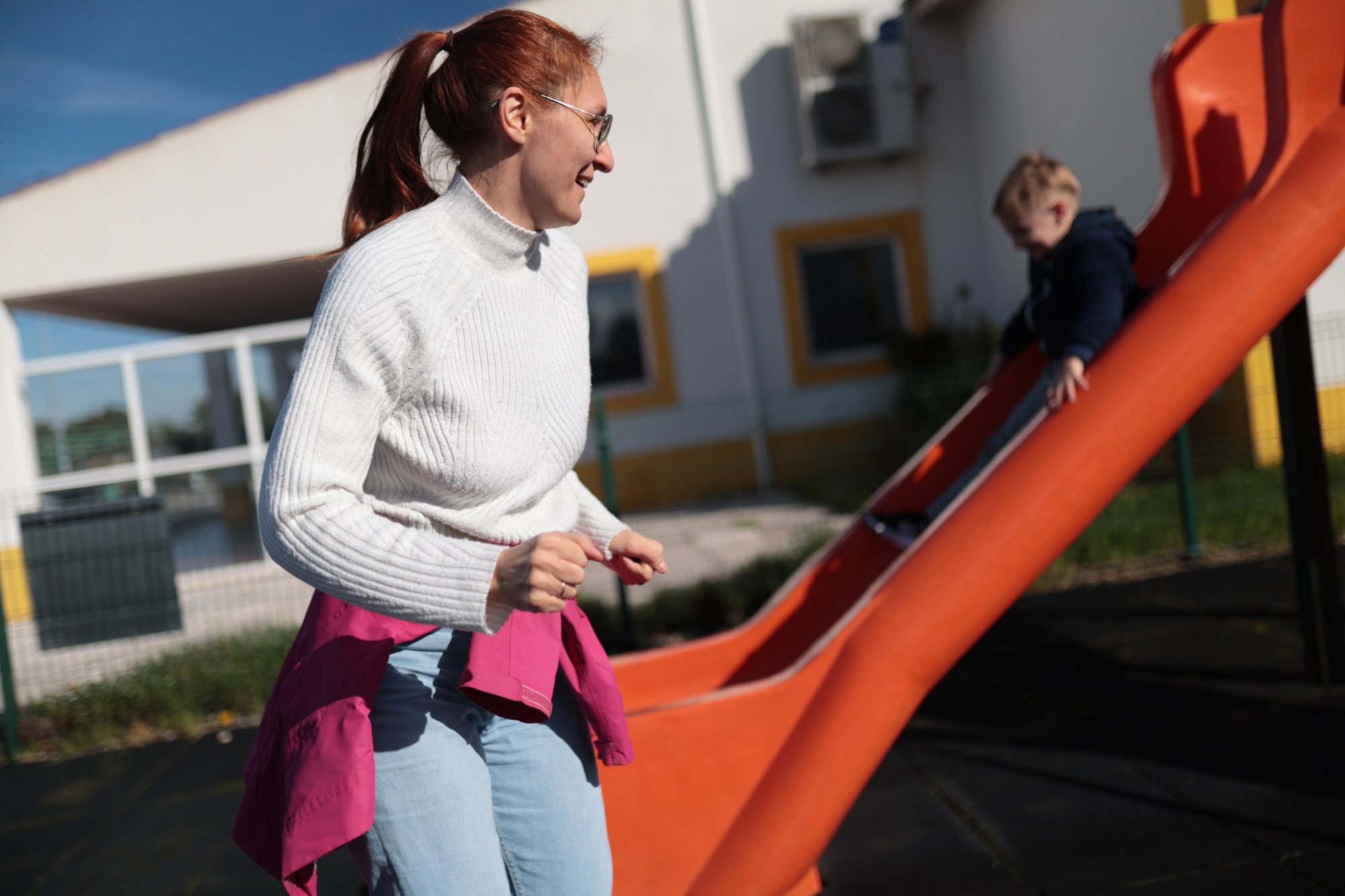
Research suggests that children who engage in free play, while a parent is nearby, develop a sense of security that allows them to thrive independently. This relationship dynamic fosters emotional resilience, as children learn to feel safe even when alone. The adult’s presence provides a reliable backdrop, enabling children to explore their interests without constantly seeking reassurance.
The distinction between solitude and loneliness is vital. While loneliness signifies an absence of connection, solitude can be restorative when it is chosen and supported by secure relationships. For instance, a child playing independently at a table while a parent cooks experiences solitude within a safe environment, contrasting sharply with the feelings of isolation that come from neglect.
In modern society, technology has transformed how individuals experience solitude, often filling quiet moments with distractions. Adults frequently fill their time with digital interactions, which can send a message to children about the discomfort of being alone with one’s thoughts. Thus, parents modeling quiet activities, such as reading or gardening, can positively influence their children’s relationship with solitude.
The ability to embrace solitude can enhance interpersonal relationships. Those who are comfortable being alone can better navigate the complexities of social interactions, reducing the emotional burden on relationships. When individuals are secure in their solitude, they are less likely to interpret a delayed response or a need for personal space as rejection.
For children, the ability to engage in solitary play fosters the development of a private self, enabling them to balance connection and solitude without perceiving either as a threat. This healthy dynamic nurtures emotional growth, helping children develop the confidence to explore their identities independently while trusting their relationships endure.
Check out the original article here: Source link