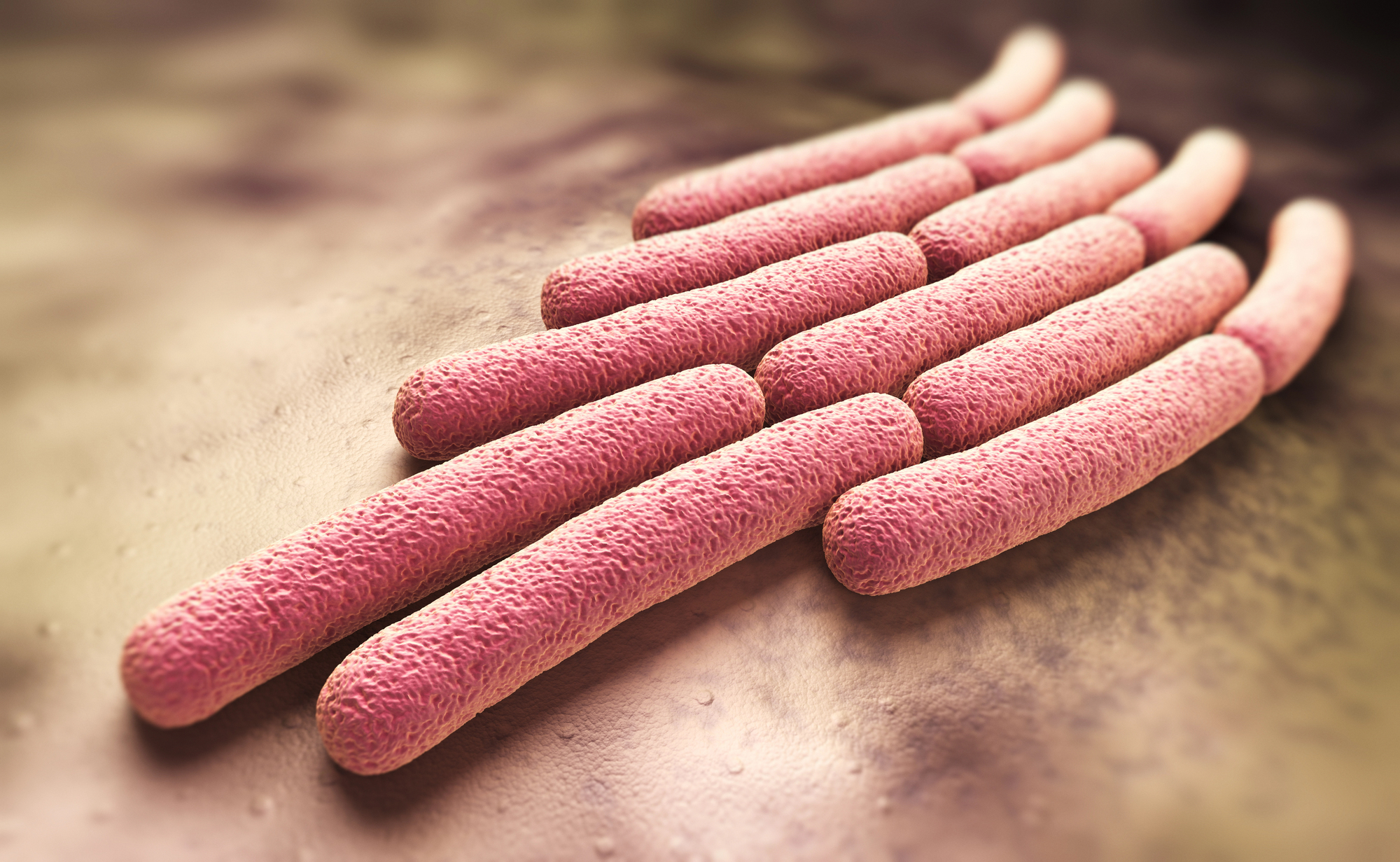
Image Credit: depositphotos.com
A significant breakthrough in vaccine research has emerged for shigellosis, a disease that claims over one million lives annually, predominantly affecting children under five. Despite its severe impact, shigellosis has remained largely overlooked in global health discussions, often referred to as the “poo taboo.” However, recent findings from a trial published in *The Lancet Infectious Diseases* may shift this narrative.
The vaccine candidate, known as WRSs2, demonstrated an impressive 89 percent efficacy against *Shigella sonnei*, marking the highest efficacy achieved in the field to date. This vaccine was developed at the Walter Reed Army Institute of Research and was tested in a human challenge trial involving 108 adults at Cincinnati Children’s Hospital and the Emory Vaccine Center in Atlanta. Participants received either the vaccine or a placebo and were subsequently exposed to the bacteria directly. The results showed that 81 percent of the placebo group fell ill, underscoring the vaccine’s effectiveness.
Shigellosis is a major bacterial cause of diarrhea, characterized by symptoms such as bloody diarrhea, fever, and abdominal pain. It is particularly deadly in regions with inadequate healthcare access, such as Chad, where approximately one in 140 children under five dies from diarrheal illness each year. The disease not only poses acute health risks but also leads to long-term complications, including malnutrition and cognitive impairment in survivors.
Currently, treatment for shigellosis heavily relies on antibiotics, but increasing resistance to these medications poses a significant challenge. In some areas, resistance rates exceed 80 percent, with last-resort antibiotics like ceftriaxone losing effectiveness. The rising prevalence of antibiotic-resistant strains further emphasizes the urgent need for a vaccine to prevent infections and reduce the reliance on antibiotics.
Despite the promising results of the WRSs2 trial, experts caution that further research is required. The initial study was limited to healthy adults in clinical settings, and future trials must focus on young children in low-income countries where the disease is most prevalent. The next steps in vaccine development will be crucial in determining its safety and effectiveness in vulnerable populations, particularly those under five years old.
The urgency of developing a viable vaccine is underscored by the ongoing burden of shigellosis and the increasing difficulty in treating antibiotic-resistant infections. As researchers continue to explore solutions, the potential for a breakthrough in preventing this devastating disease remains a critical priority in global health.
Check out the original article here: Source link