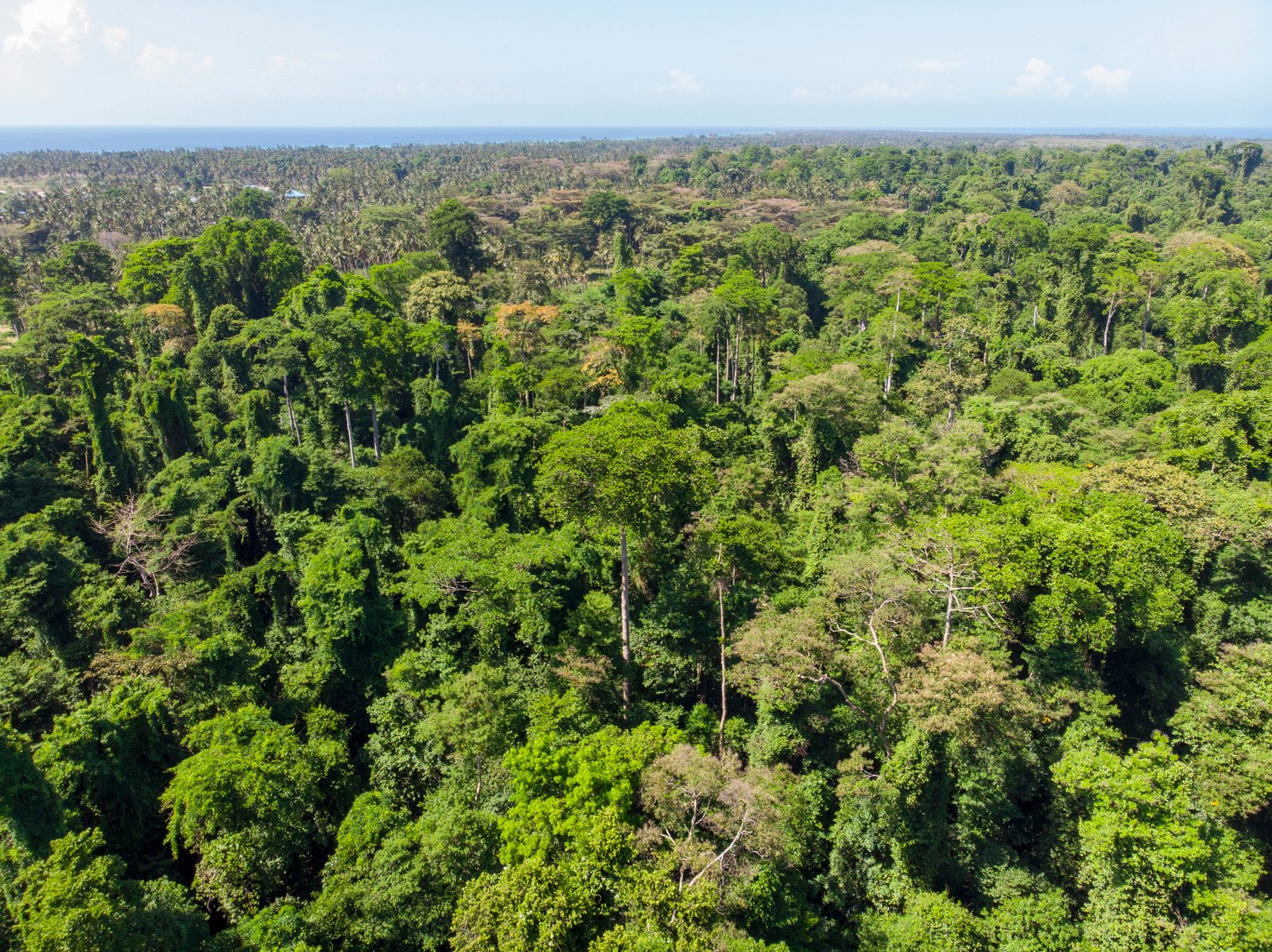
On August 4, 2026, Colombian President Gustavo Petro signed a groundbreaking resolution aimed at protecting the Amazon rainforest by designating 186,500 square miles off-limits to new extraction activities. This decision prohibits any new mining concessions, oil or gas contracts, and environmental permits associated with such projects. The resolution was signed just days before Petro left office, a strategic move given that his successor had pledged to revive oil exploration and legalize hydraulic fracturing.
This historic resolution employs Article 47 of Colombia’s Natural Resources Code, a provision that allows the government to exclude entire regions from private exploitation rights. While the article has been invoked in smaller instances in the past, this is the first time it has been applied comprehensively to the Colombian Amazon.
The resolution does not classify the protected area as a national park and does not fit into existing conservation categories. It specifically targets new extraction activities, allowing existing operations to continue until their contracts expire, but barring any renewals. A narrow exception permits small-scale extraction of construction materials for local road repairs, although this is not allowed within indigenous territories.
The incoming administration led by Abelardo de la Espriella, who took office on August 7, has expressed intentions to reverse some of Petro’s environmental policies. Despite the lack of immediate commentary on the Amazon reserve, the administrative nature of Petro’s resolution makes it susceptible to potential changes by the new government.
The urgency for this protective measure is underscored by alarming deforestation statistics. Between 2016 and 2023, the Colombian Amazon lost nearly 1.95 million acres of forest, representing 60% of the total deforestation in the country during that period. The “fishbone effect” illustrates the broader environmental risks posed by road construction for extractive projects, which can lead to widespread illegal logging and land settlement.
Legal precedents have been established to support the Amazon’s protection, including a 2018 Supreme Court ruling that granted the rainforest rights to legal protection. In 2025, the Constitutional Court further solidified this by designating the Amazon as a specially protected ecosystem.
Indigenous communities play a crucial role in the conservation of the Amazon. Approximately 55% of the protected area consists of indigenous reserves, which maintain 99.5% of their forest cover and store about 78% of the region’s carbon. The Colombian government consulted these communities before signing the resolution, although discussions with Afro-Colombian and other groups remain ongoing.
The Ministry of Environment’s arguments for the resolution emphasize the ecological importance of the Amazon. The forest’s approximately 400 billion trees release around 20 billion tons of water vapor daily, significantly influencing rainfall patterns across Latin America. The Amazon also has the potential to store an estimated 6.5 gigatons of carbon. Environmental experts have warned of a critical tipping point that could lead to irreversible changes in the ecosystem.
Colombia’s commitment to restricting extraction activities in its portion of the Amazon positions it as a leader among the nations sharing this vital ecosystem. However, the future of this initiative will depend on the actions of the newly elected government, which inherited the resolution on its first day in office.
Check out the original article here: Source link