Image Credit: depositphotos.com
Data centers, essential to the functioning of the digital economy, are becoming a focal point of community concern across the United States. These facilities, which house the servers and networking equipment that power everything from video streaming to AI operations, have a significant impact on local resources and economies.
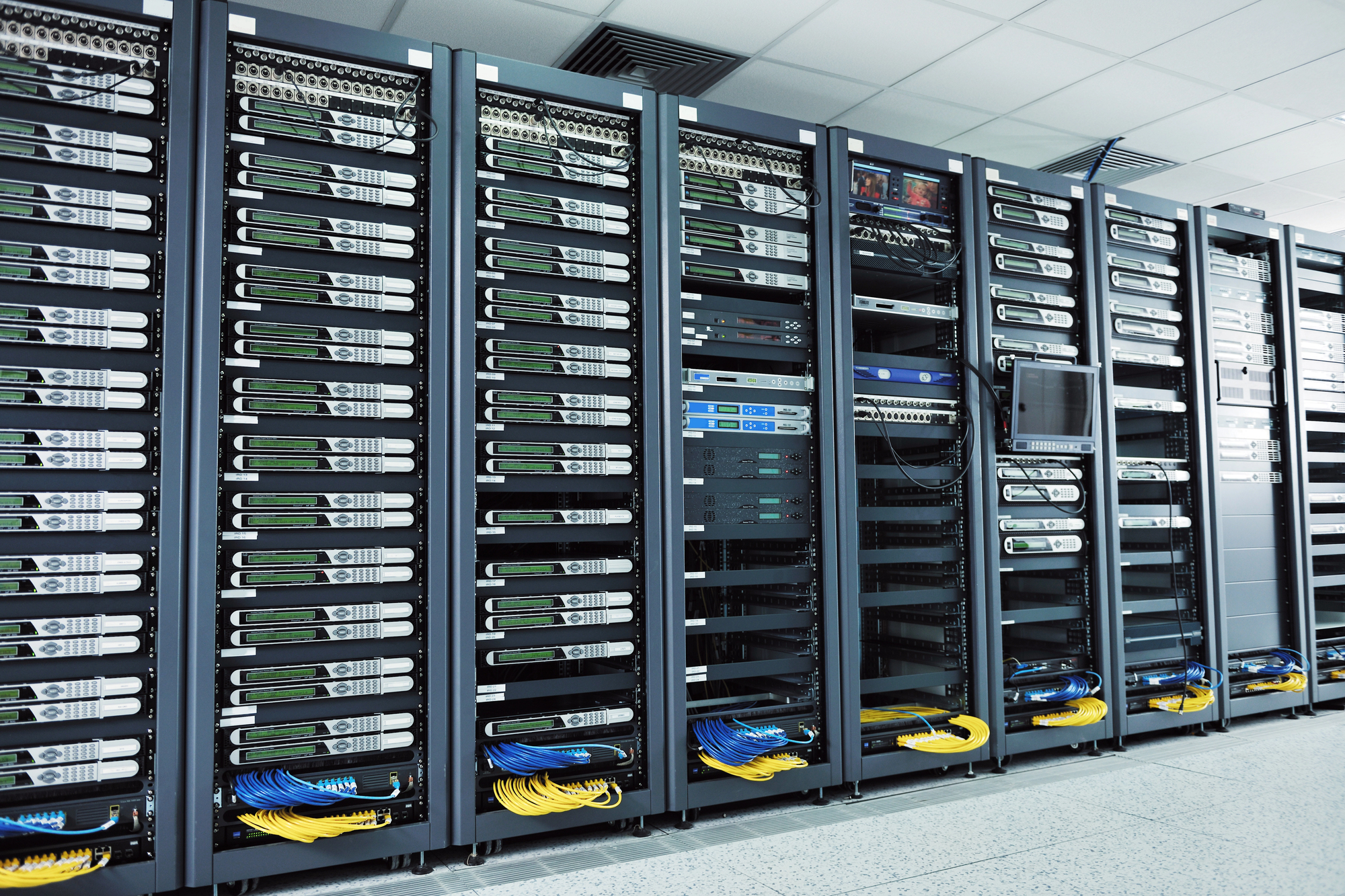
Data centers can vary in size and operation; some are dedicated to a single company’s needs, while others serve multiple businesses under one roof. The largest facilities, known as hyperscale data centers, can occupy hundreds of thousands of square feet and operate continuously. A single large data center can consume as much electricity as 100,000 homes and can require daily water usage comparable to that of small towns.
As demand for data centers grows, particularly in the AI sector, energy consumption is projected to nearly double in the U.S. by 2028. This surge raises concerns about the infrastructure needed to support such facilities. Increased energy demands often lead to higher electricity bills for local residents, as costs are spread across all ratepayers on the grid.
Water consumption is another critical issue, with mid-sized data centers drawing as much water as small towns and large facilities rivaling the usage of cities with populations around 50,000. This poses a challenge in drought-prone areas, where water resources are already stretched thin. Additionally, the construction and operation of these data centers can contribute to air quality issues and noise pollution, affecting the health and well-being of nearby residents.
The impact on land use is significant as well. Data centers often locate in areas where land is inexpensive, which can lead to the loss of green spaces and agricultural land. While proponents emphasize job creation during the construction phase, the long-term employment opportunities at these facilities are often much lower than anticipated.
In response to the growing concerns, many communities are pushing back against the rapid expansion of data centers. In early 2026, opposition to such projects surged, resulting in stalled or blocked developments worth an estimated $98 billion. Over 100 communities have instituted moratoriums, and New York became the first state to impose a ban on new large-scale data centers while it evaluates stricter regulations.
As data centers remain integral to modern digital infrastructure, the dialogue surrounding their development is evolving. Communities are increasingly advocating for a balance between technological advancement and the preservation of local resources, health, and quality of life.
Check out the original article here: Source link