Image Credit: depositphotos.com
As summer temperatures rise, gardeners may notice signs of heat stress in their plants, prompting concerns about proper care. Understanding the symptoms and appropriate responses can make the difference between reviving struggling plants and exacerbating their condition.
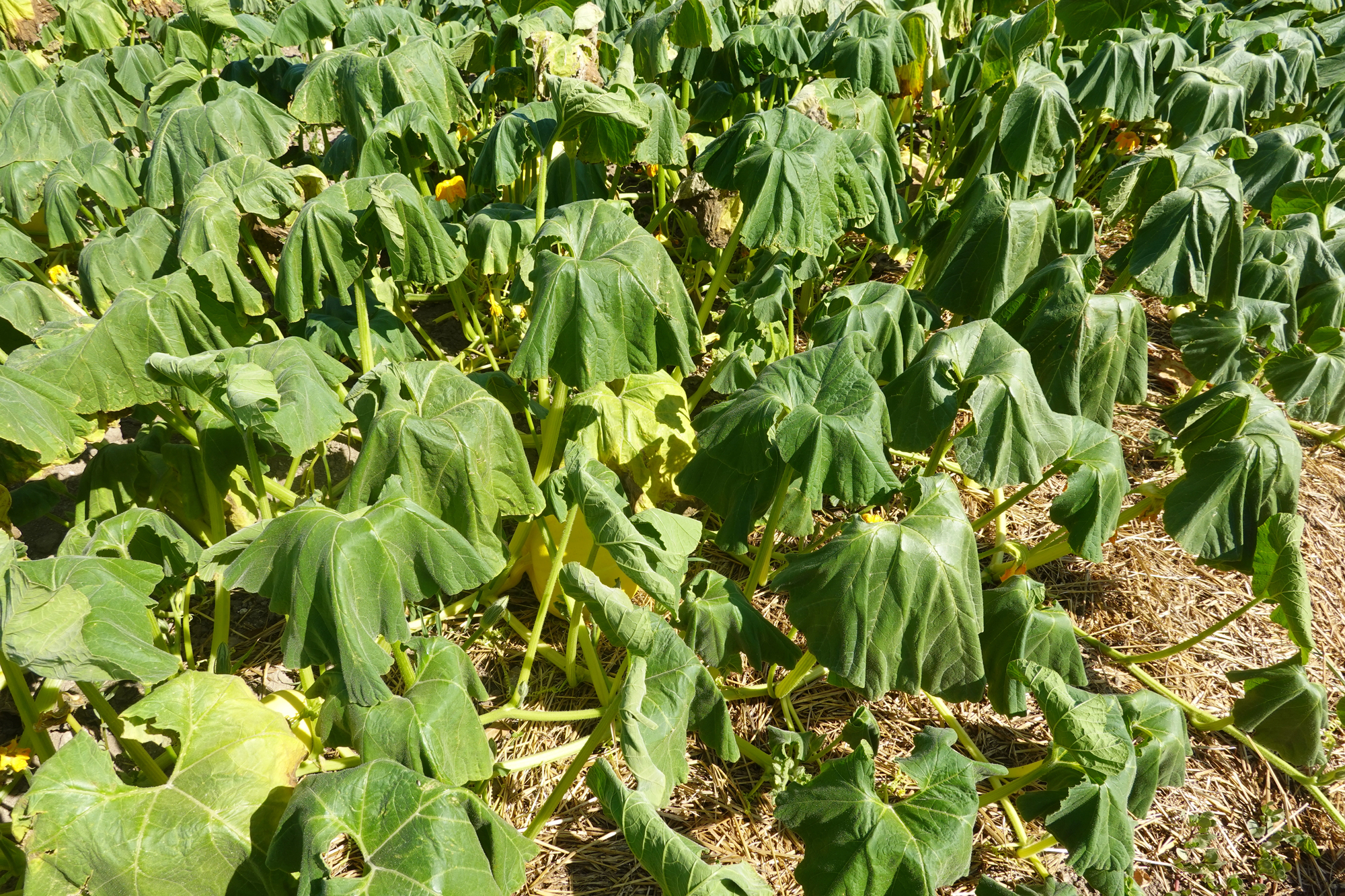
Wilting is one of the most apparent signs of heat stress. However, the context is crucial. While many plants naturally droop in the peak afternoon heat, a plant that remains limp in the cooler morning or evening hours requires attention. Other indicators include brown and curling leaves, which occur as plants attempt to minimize their exposure to intense sunlight. More severe cases may manifest as yellowing or browning leaf edges, resembling scorching.
In addition to physical changes, plants may also exhibit altered blooming and foliage patterns. Early flowering or premature leaf drop often signals that plants are reallocating energy to reproduction or trying to conserve moisture, respectively.
Before watering, it is essential to check the soil moisture. A simple finger test can determine whether the soil is dry or wet. If the top inch or two of soil is dry, watering may be necessary. Conversely, if it is moist, additional water could worsen the situation. Overwatering, underwatering, compacted soil, and root rot can all lead to similar stress signals in plants, making soil evaluation critical.
For gardeners facing dry soil and stressed plants, organic mulch is an effective tool to consider. Mulch helps retain moisture, stabilizes root temperatures, and enhances soil structure over time. Applying well-rotted compost as mulch not only reduces evaporation but also adds essential nutrients to the soil as it decomposes.
Preventative measures can help avert future heat stress. Gardeners are advised to water deeply during the early morning hours, allowing moisture to penetrate the soil effectively before evaporation occurs. Targeting the soil around the roots rather than spraying leaves encourages deeper rooting, essential for plant health. Additionally, providing temporary shade during peak afternoon heat can benefit plants that typically thrive in full sun.
By recognizing the signs of heat stress and understanding how to respond, gardeners can maintain the vitality of their plants throughout the hot summer months.
Check out the original article here: Source link