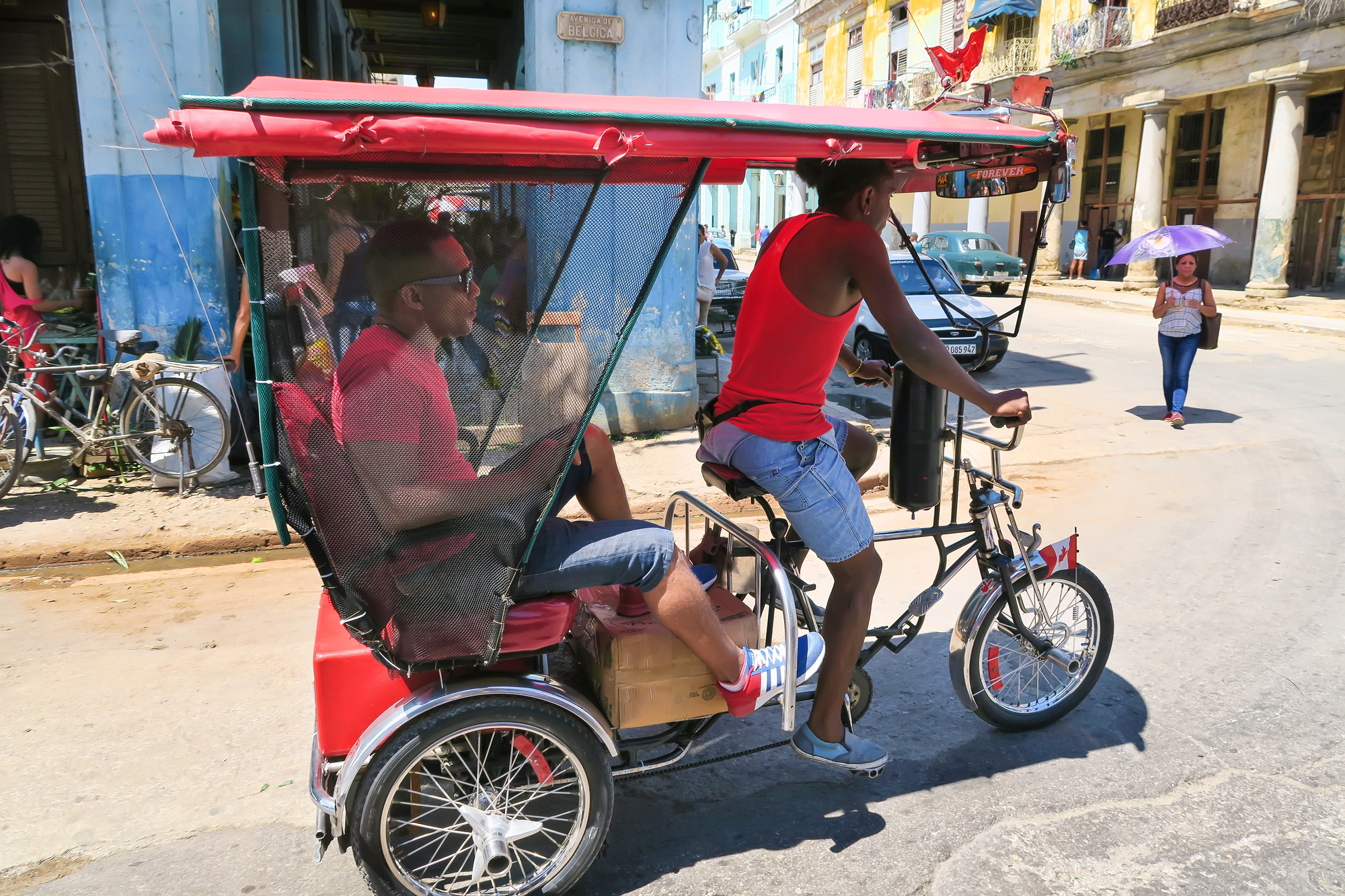
Image Credit: Cuban pedicab without solar for editorial representation.
Cuba is currently experiencing its worst fuel crisis in years, prompting a significant shift in transportation methods across the island. With oil tanker arrivals plummeting from eight per month to just one since January, the country has faced rolling blackouts and deepening shortages of food and medicine. In response, many Cubans are turning to electric tricycles as an alternative means of transport.
These electric tricycles, primarily sourced from Chinese manufacturers such as Zonsen and Jinpeng, cost between $2,000 and $4,000. Given that average state workers earn around $10 per month and private-sector employees make approximately $40, these vehicles are financially out of reach for many. However, a secondary economy has emerged around them, with some Cubans selling old gasoline-powered cars or receiving tricycles from relatives abroad. Additionally, small-business owners are investing their profits in these vehicles, which are proving to be a viable solution for transportation needs.
The tricycles serve multiple purposes: they are used for fixed bus routes that have disappeared, transport goods to markets, and even assist with garbage collection in some neighborhoods. Passengers can flag them down for rides costing about 500 Cuban pesos, equivalent to less than a dollar, providing an affordable alternative to walking.
Innovative adaptations have emerged among tricycle owners, with many installing solar panels on the vehicles. This modification, costing around $500, allows the tricycles to recharge while parked or moving, circumventing the unreliability of the national power grid. Workshop owners are capitalizing on this trend, with engineers actively modifying tricycles to include solar capabilities.
As these electric tricycles become more integrated into daily life in Havana, the infrastructure surrounding them—such as repair shops and designated routes—has also developed. This transformation highlights the resilience and ingenuity of the Cuban people in the face of ongoing challenges, suggesting that electric tricycles may play a long-term role in the future of transportation on the island.
Check out the original article here: Source link