Image Credit: gyn9037/123rf.com
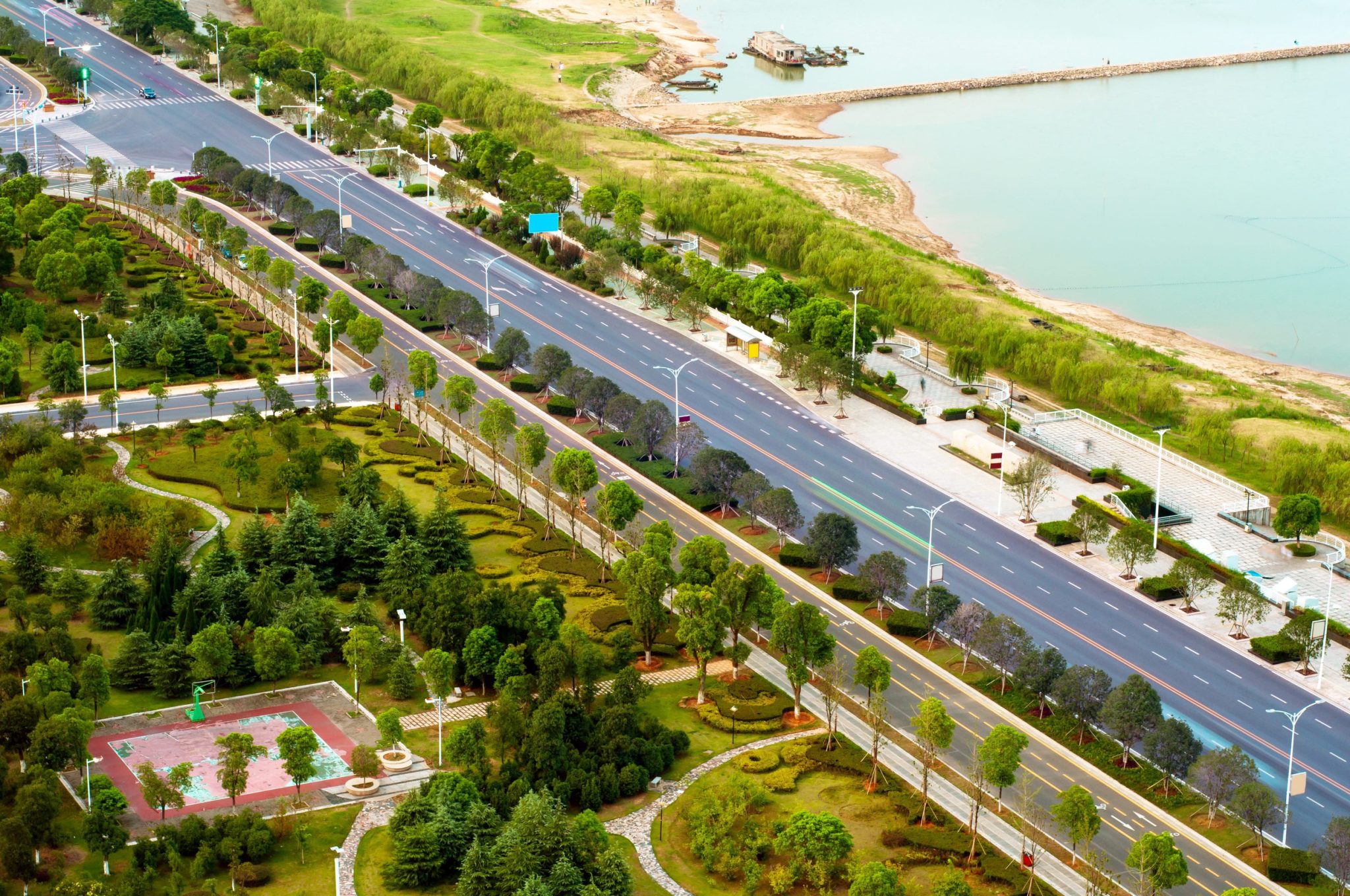
New research from Melbourne, Munich, and Hong Kong highlights the significance of vegetation arrangement in urban heat reduction, revealing that the way cities plant trees can be as important as the quantity of trees planted. Led by Mohammad A. Rahman at the University of Melbourne, the study indicates that layered planting—combining trees, shrubs, and ground cover—can significantly enhance cooling effects in urban environments.
In Melbourne, street trees were found to lower mean radiant temperatures by over 18 degrees Celsius (32 degrees Fahrenheit) compared to open, unplanted streets. Mean radiant temperature measures the heat from surrounding surfaces rather than from the air, demonstrating that vegetation can effectively reduce heat stress.
Munich’s findings were particularly notable for emphasizing layered planting. Streets featuring a combination of trees and other vegetation reduced afternoon heat stress by nearly eight degrees Celsius (14 degrees Fahrenheit) compared to open spaces, surpassing the cooling effects produced by trees alone.
Hong Kong’s results demonstrated the benefits of dense canopy shade from vegetation, though the outcomes were more complex. In this humid subtropical region, increased humidity from dense planting mitigated some cooling effects, leading to discomfort despite lower temperatures. In narrow streets, for instance, dense vegetation could trap warm air and impede airflow, resulting in elevated pollution levels and reduced comfort.
The study underscores that climate, street width, and airflow are critical factors determining whether vegetation improves comfort or leads to unintended consequences. It suggests that merely counting trees is insufficient; cities must consider the type and arrangement of plants to optimize their effectiveness.
As urban areas invest in heat adaptation strategies, this research advocates for a more nuanced approach to planting that prioritizes both biodiversity and human comfort. It challenges traditional metrics of urban greening, emphasizing that planting more is not equivalent to planting effectively. This insight is essential for city planners aiming to enhance urban resilience against rising temperatures.
Check out the original article here: Source link