Image Credit: thamkc/123rf.com
A recent guide from Dr. Alan Taylor, a horticulture professor at Cornell University, highlights an effective method for enhancing vegetable seed germination. By soaking seeds before planting, gardeners can significantly speed up the germination process, thereby improving the competitive advantage of seedlings against weeds.
The soaking method is beneficial for nearly all vegetable seeds, with large-seeded varieties such as sweet corn, peas, cucumbers, pumpkins, squash, and table beets seeing the most significant advantages. These seeds often have thick coats that make water absorption challenging, so soaking can facilitate quicker germination. Smaller seeds, particularly those with longer germination times like carrots, parsley, and parsnips, can also benefit from this technique, although they may be more difficult to manage after soaking. It is important to note that beans, including garden beans and lima beans, should not be soaked due to their sensitivity to oversaturation.
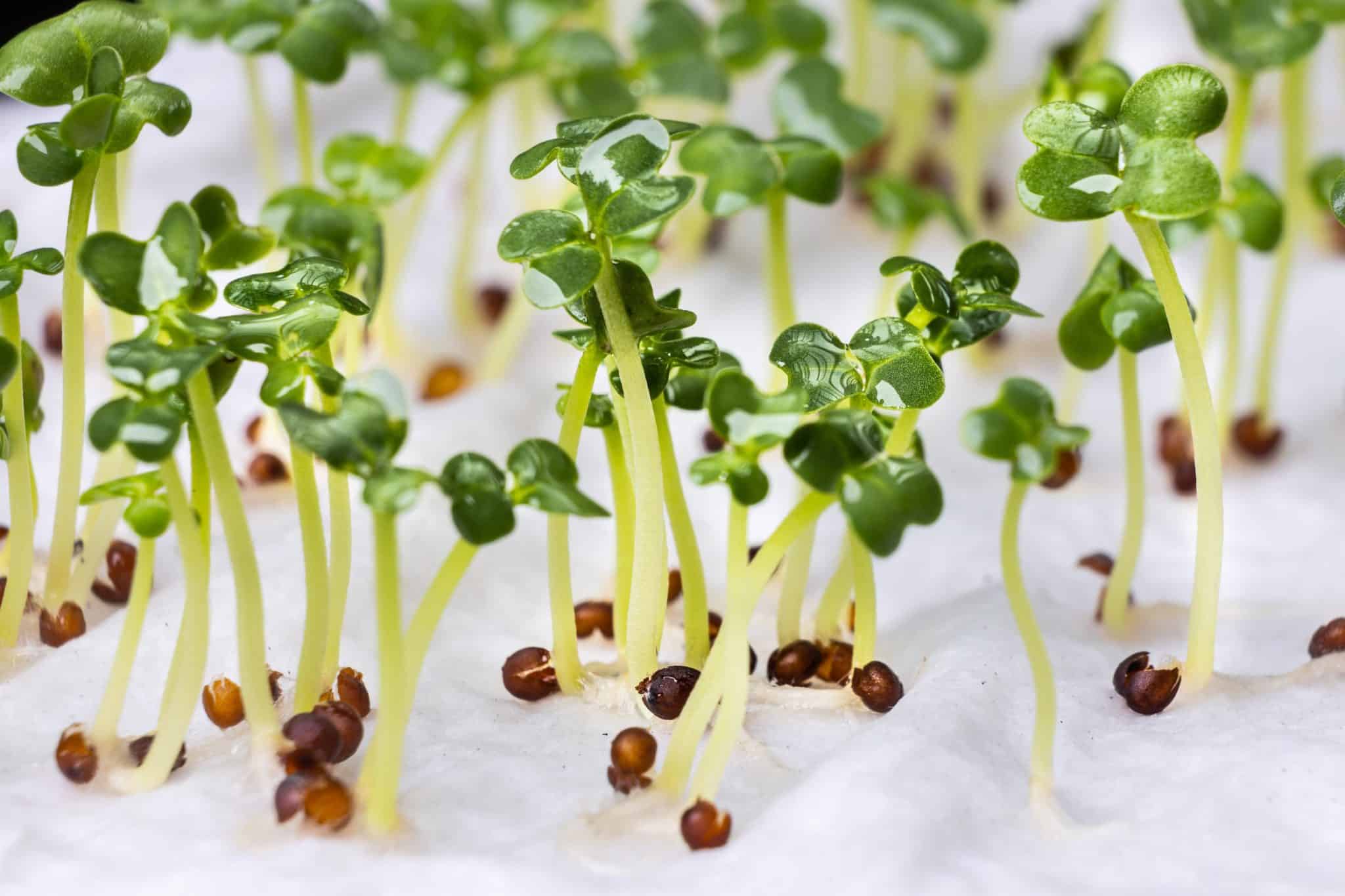
To implement the soaking method, gardeners can use simple materials found at home. A paper towel is placed in a tray or egg carton, saturated with water, and excess water is removed to prevent pooling. Seeds are then sprinkled over the towel, and for larger seeds, a second wet towel is placed on top. The setup should be kept at a temperature between 65°F and 70°F overnight. It is crucial not to exceed 24 hours of soaking, as prolonged exposure can lead to premature sprouting or rot.
Once the soaking period is complete, seeds should be transferred to a dry paper towel to allow them to dry slightly before planting. Extra care is needed at this stage to avoid damaging any exposed roots. This straightforward method of soaking seeds can provide a significant boost to gardeners looking to improve their crop yields and minimize competition from weeds.
Check out the original article here: Source link