Image Credit: trek13/123rf.com
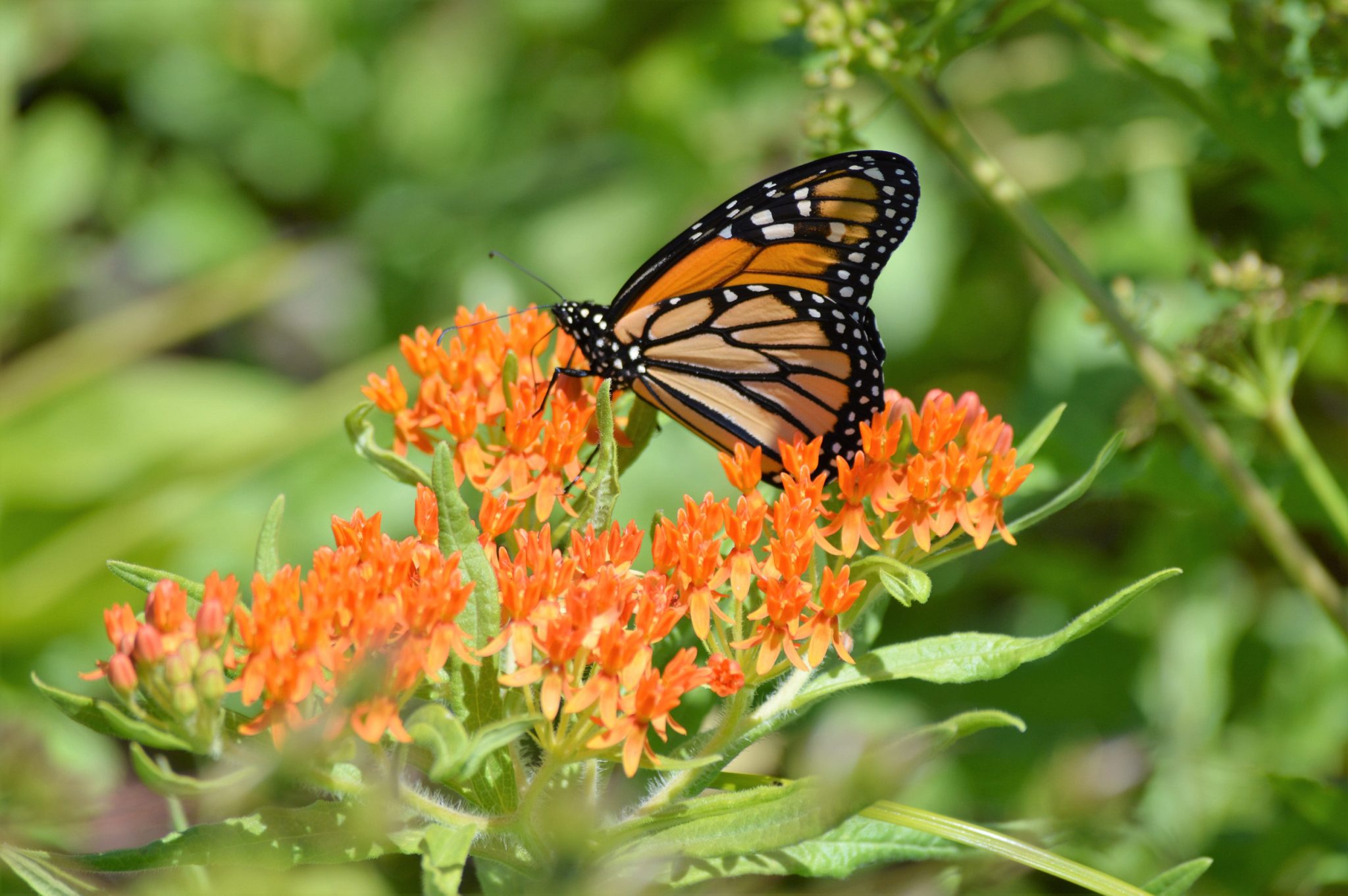
Every fall, monarch butterflies embark on an extraordinary journey, traveling nearly 3,000 miles from Canada through the United States to their wintering grounds in western Mexico. This year, their numbers have shown a significant increase, marking a hopeful development in conservation efforts.
According to new data from WWF Mexico, the area occupied by monarchs has expanded to 7.24 acres (2.93 hectares) of forest, a 64 percent increase from the previous winter’s 4.42 acres (1.79 hectares). This marks the largest coverage of monarchs since 2018, indicating a positive trend for the species.
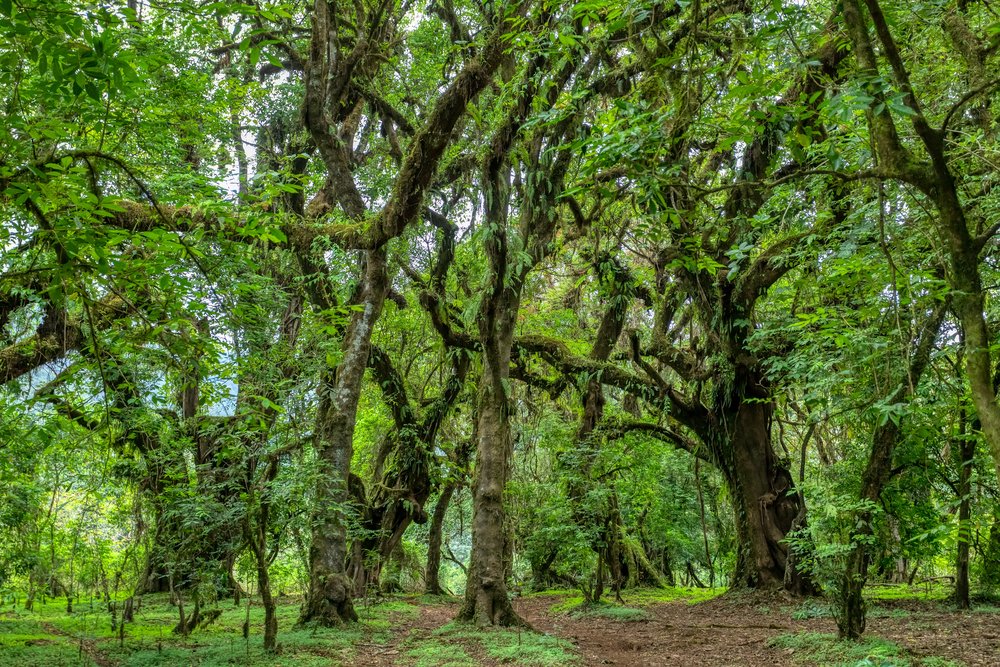
The recovery of monarch habitats in Mexico’s Michoacán state has been facilitated by a significant reduction in illegal logging, which has long posed a threat to their survival. Once driven by organized crime linked to Mexico’s avocado trade, logging in the core zone of the Monarch Butterfly Biosphere Reserve has seen dramatic declines. From a peak of approximately 1,235 acres (500 hectares) logged in 2003 and 2004, only 6.3 acres (2.55 hectares) were logged between February 2024 and February 2025. This success is attributed to sustained conservation efforts that have effectively eradicated illegal logging in the area since 2008.
While the 64 percent increase in occupied forest area is promising, it is important to contextualize this figure. In the winter of 1995, monarchs covered nearly 45 acres (18.21 hectares) of forest, and scientists estimate that a minimum of 15 acres (6.07 hectares) is needed for the species to survive long-term. This winter’s count of 7.24 acres remains below that critical survival threshold.
The challenges facing monarch butterflies extend beyond Mexico. In the United States, herbicides such as glyphosate and dicamba have significantly reduced milkweed, the sole food source for monarch caterpillars, contributing to declining populations. The Biden administration has proposed listing the monarch as a threatened species under the Endangered Species Act, but a decision has been delayed, prompting environmental groups to file a lawsuit to expedite protections.
This winter’s positive figures highlight the importance of continued conservation efforts across North America. While the near-elimination of logging in key habitats demonstrates what can be achieved through sustained advocacy, the survival of the monarch butterfly depends on several ongoing factors: the restoration of milkweed populations in the U.S., federal protections, and ongoing forest stewardship in Mexico. Maintaining momentum in these areas will be crucial to ensuring the monarchs’ remarkable migrations continue for generations to come.
Check out the original article here: Source link