Image Credit: steffstarr/123rf.com
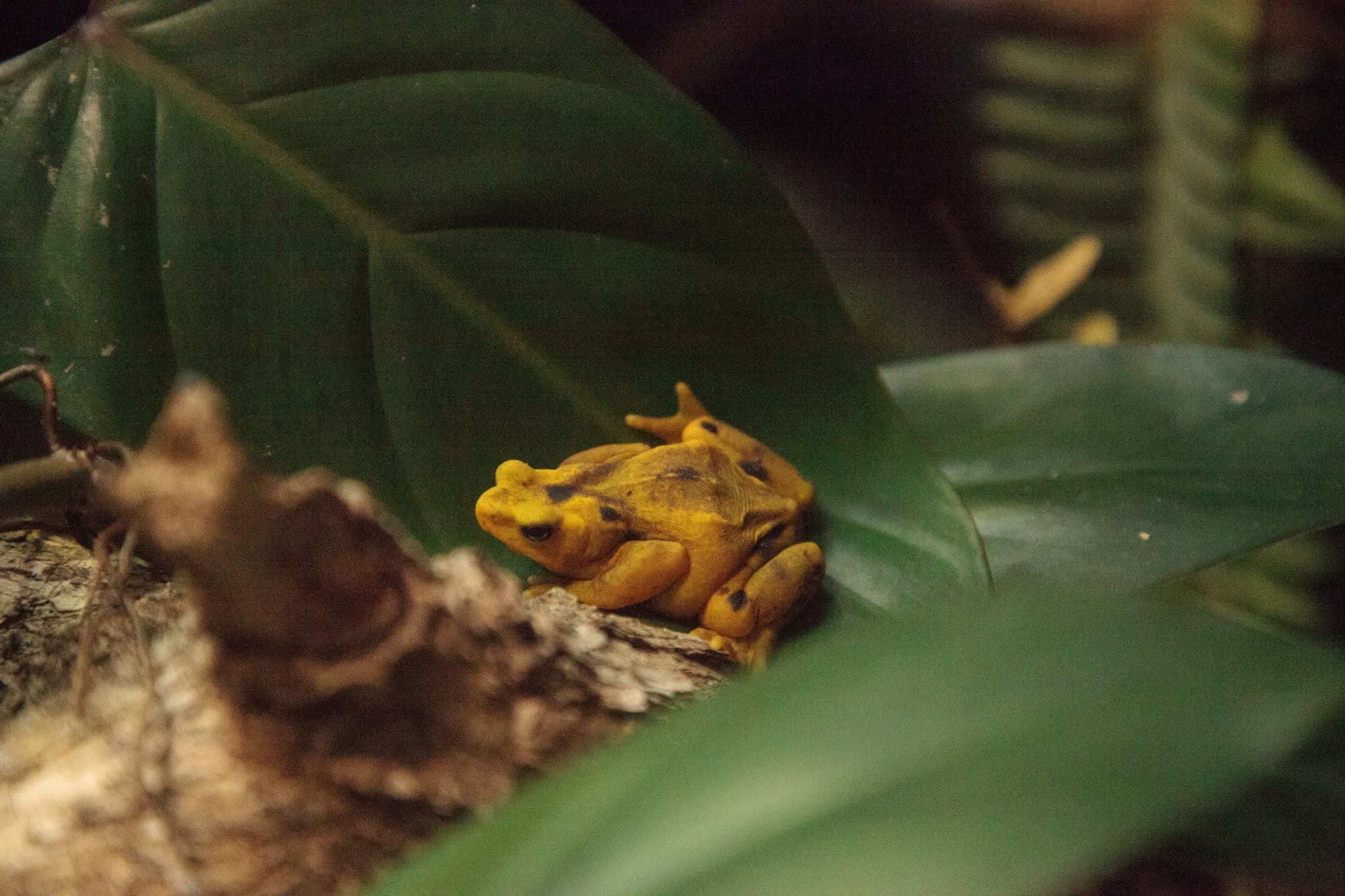
After nearly two decades, Panama’s forest streams are witnessing the return of the Panamanian golden frog (Atelopus zeteki), a species that vanished from its native habitat due to a devastating fungal epidemic. This reintroduction marks a significant milestone for conservation efforts, following years of captive breeding, disease research, and careful release trials.
The decline of the golden frog began in the late 1980s when an invasive fungus, Batrachochytrium dendrobatidis (Bd), began spreading through Central America. This pathogen, which is harmful to amphibians but harmless to humans, disrupts the skin’s function and can lead to heart failure. The golden frogs, which thrive near flowing water, were particularly at risk, and by 2009, they had disappeared from El Valle de Anton, their last stronghold.
To prevent extinction, the Panama Amphibian Rescue and Conservation Project (PARC), affiliated with the Smithsonian Institution, initiated a breeding program for these frogs. Over the years, PARC has focused on maintaining stable captive populations through careful genetic management and disease monitoring. Recently, these efforts have yielded a robust population ready for reintroduction into the wild.
The reintroduction process has been cautious and data-driven. Since the chytrid fungus is still present in some areas of Panama, suitable release sites have been carefully selected. Initial trials indicated that approximately 70% of the released frogs succumbed to chytridiomycosis, but the data collected provided vital insights into survival patterns and environmental conditions. Researchers are now exploring climatic refuges that may offer better conditions for the frogs while being less hospitable to the fungus.
In addition to the golden frog, PARC has successfully reintroduced three other species in the past year: the crowned tree frog, Pratt’s rocket frog, and the lemur leaf frog. These efforts contribute to a broader understanding of amphibian conservation in the face of ongoing challenges posed by the chytrid fungus.
The Panamanian golden frog holds cultural significance in Panama, symbolizing good fortune and serving as a reminder of the importance of biodiversity. While the return of these frogs to their natural habitat does not eliminate the threat of chytridiomycosis, it represents a hopeful step forward in conservation efforts, showcasing the power of sustained research and investment in protecting vulnerable species.
Check out the original article here: Source link