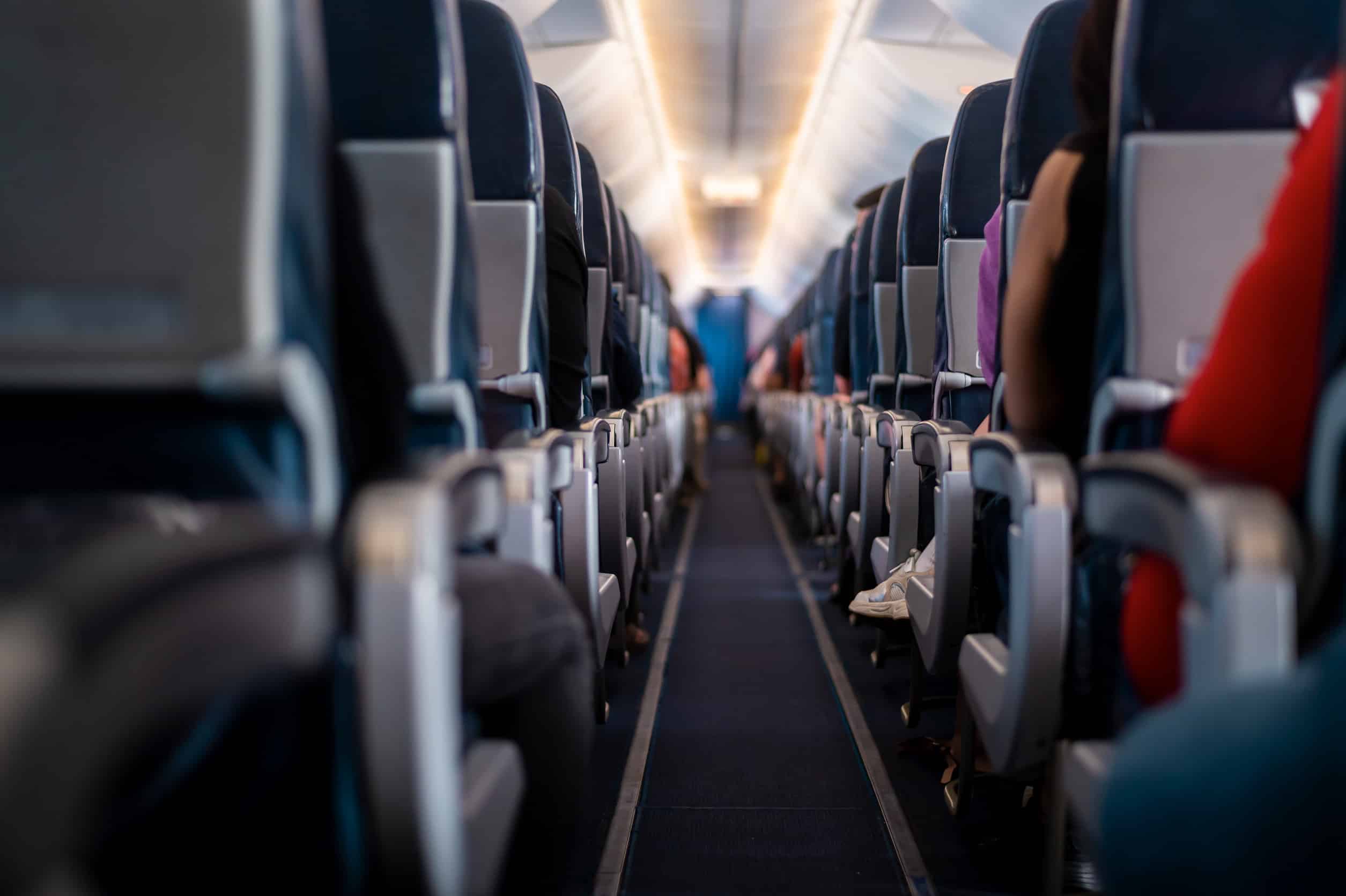
A recent surge in news coverage surrounding airplane accidents has led to increased anxiety among travelers regarding air travel. This heightened fear is understandable, as many people feel a loss of control in situations that involve flying. However, statistics reveal that air travel remains one of the safest modes of transportation available.
According to data from CNN, there were 62 reported airplane accidents in January 2025, a decrease from 80 incidents in January 2024. Over the past fifteen years, the number of fatalities on commercial airliners has been lower than in any previous comparable period. Experts emphasize that while plane crash news may be more prevalent, the likelihood of any individual experiencing a plane crash is still very low.
For those grappling with flight anxiety, there are several effective strategies to manage fear. Focusing on factual safety statistics can counterbalance the tendency to overreact to recent headlines. Creating a pre-flight plan, which includes activities such as reading, listening to podcasts, or watching movies, can provide healthy distractions during the flight.
Relaxation techniques can also be beneficial. Deep breathing exercises and progressive muscle relaxation can help ease anxiety during travel. These methods involve focusing on breath control and tensing, then relaxing muscle groups to release physical tension.
Reframing the perception of risk is another vital strategy. Reflecting on past positive flying experiences can serve as a reminder that fear does not accurately predict outcomes. Acknowledging that risk and uncertainty are inherent in daily life, whether driving or walking, can help shift focus from fear to acceptance.
For those whose anxiety becomes overwhelming or disrupts their ability to travel, seeking professional support may be necessary. Cognitive-behavioral therapy (CBT) is an effective treatment option for addressing and reframing anxiety-related thoughts.
Ultimately, air travel continues to be a remarkably safe way to explore new destinations and connect with others. With the right coping strategies, travelers can navigate their anxiety and regain confidence in flying.
Check out the original article here: Source link