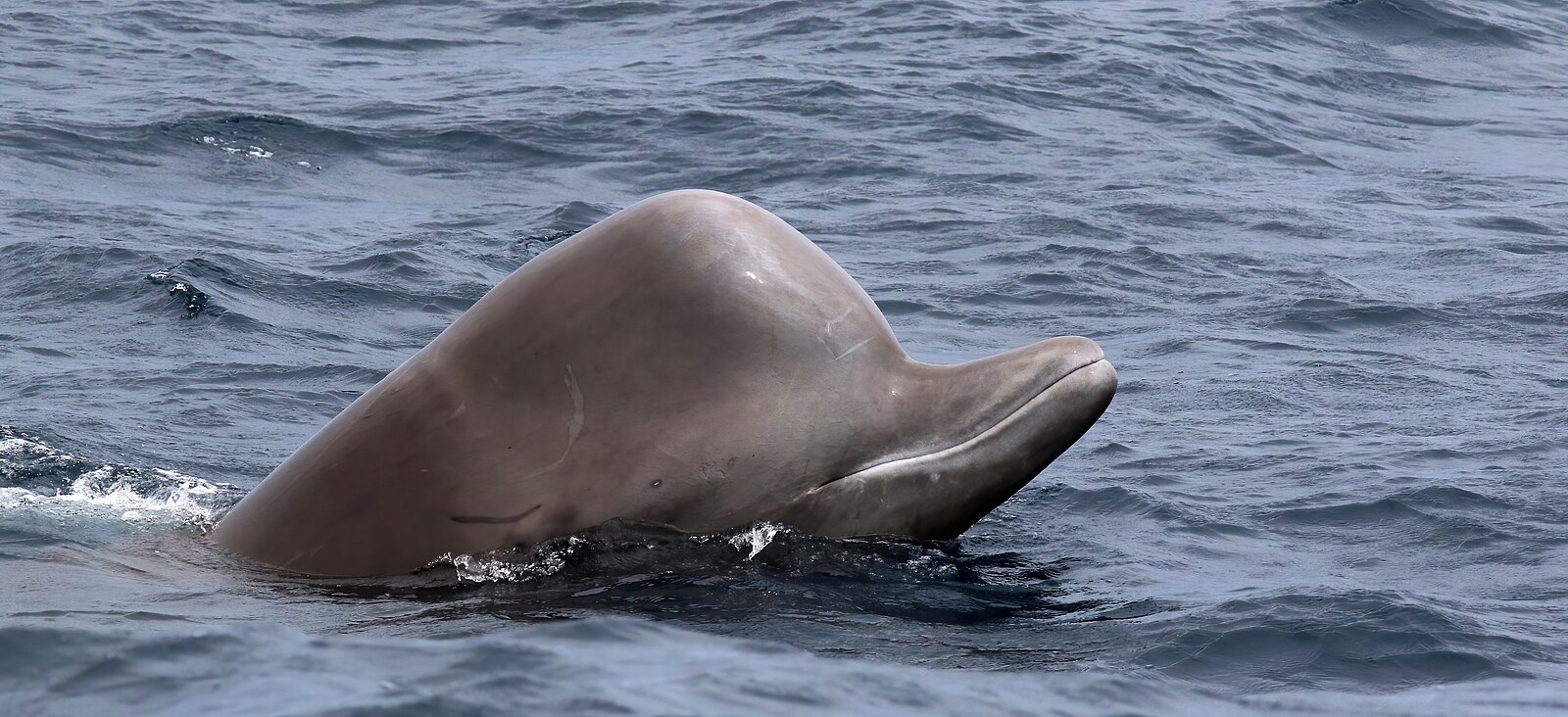
Image Credit: Cephas, CC BY-SA 4.0 , via Wikimedia Commons
A significant conservation success story has emerged from the Gully, a vast submarine canyon off the coast of Nova Scotia, where Canada’s northern bottlenose whale population is experiencing a remarkable recovery. Once nearly driven to extinction due to commercial whaling, these deep-diving whales have seen their numbers grow significantly after decades of protection, according to a new study published in the Journal of Applied Ecology.
The Gully, comparable in size to the Grand Canyon, features a unique underwater landscape characterized by steep walls and deep channels, creating an environment rich in nutrients. This topography supports a diverse array of marine life, making it an ideal habitat for the Scotian Shelf population of northern bottlenose whales, classified as endangered by the Committee on the Status of Endangered Wildlife in Canada.
Historically, the curious nature of these whales made them vulnerable to hunting. By the mid-2000s, their population had dwindled to approximately 130 individuals, primarily due to whaling and threats from fishing gear and ship strikes. However, a pivotal moment occurred in 2004 when Canada designated the Gully as a Marine Protected Area (MPA), banning harmful activities such as commercial fishing in its core zone. This designation aimed to safeguard both the whales and their prey.
Researchers analyzed 35 years of observational data to assess the impact of these protections. Findings indicated a substantial decline in fishing and vessel traffic in the MPA, coinciding with a nearly two-thirds increase in the whale population, which is now estimated at around 210 individuals—the highest number recorded since the 1970s.
While the recovery of the northern bottlenose whales in the Gully is a notable achievement, experts caution that the challenges facing marine species extend beyond this single protected area. Many marine animals, including whales, migrate over vast distances, necessitating a network of protected zones to ensure their continued survival.
The success seen in the Gully underscores the importance of combining scientific research, effective policy, and ongoing monitoring to create meaningful conservation efforts. As global biodiversity loss continues to be a pressing issue, the story of the northern bottlenose whales serves as a hopeful reminder that with the right strategies, recovery is possible for endangered species.
Check out the original article here: Source link