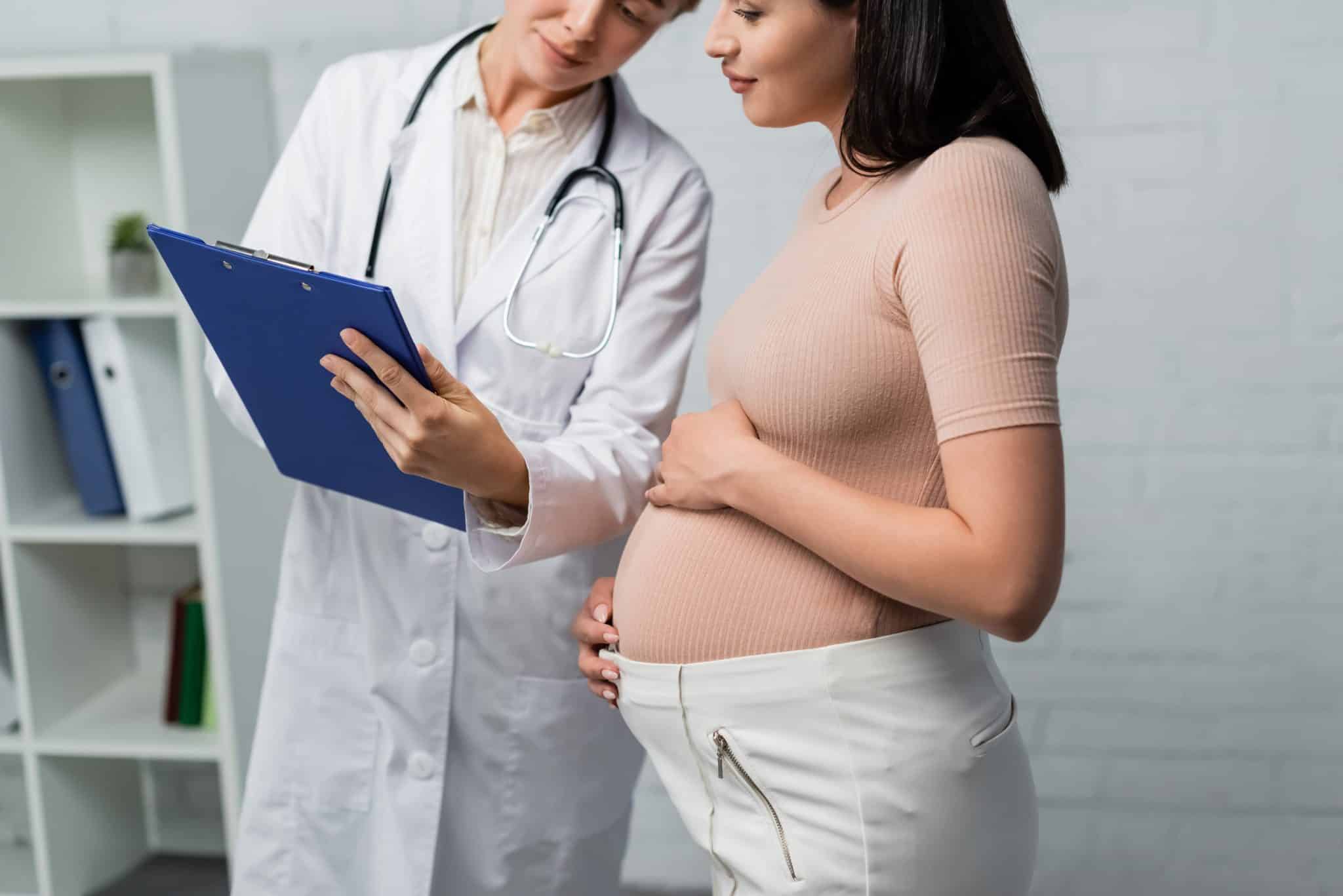
Image Credit: lightfieldstudios/123rf.com
Recent research has highlighted a fascinating biological phenomenon that occurs during pregnancy, revealing that some of a baby’s DNA can cross the placenta and reside in the mother’s body for years, a process known as fetal-maternal microchimerism. This exchange of cells can potentially benefit mothers by offering protective health effects, including defense against certain cancers and aiding in faster wound healing.
As discussions around motherhood and its impacts continue following Mother’s Day, scientists are exploring the lasting effects of pregnancy on women’s bodies. Microchimerism, which involves maternal cells carrying fetal DNA that can settle in various organs such as the heart, liver, and brain, is just one of several ways pregnancy can leave a significant mark on a woman’s health.
Physical changes during and after pregnancy can also be structural. For instance, the hormone relaxin, which helps accommodate a growing baby, can lead to changes in shoe size and foot shape, with some women experiencing permanent alterations. Additionally, relaxin affects ligaments throughout the body, which can result in chronic pain and changes in posture.
Another significant change is to the abdominal muscles, which may not fully revert after stretching to accommodate a baby, leading to a condition known as diastasis recti. This can result in ongoing discomfort and requires rehabilitation strategies such as physiotherapy.
Pregnancy can also reveal long-term health risks. Complications such as gestational hypertension and diabetes can indicate an increased risk for cardiovascular disease later in life. This early insight can be crucial for managing health proactively, as cardiovascular disease is a leading cause of death among women.
Breast health is another area where pregnancy and breastfeeding have complex implications. While breastfeeding is associated with a reduced risk of certain cancers, it also alters breast tissue. Many women find that their breasts do not return to pre-pregnancy size or firmness after nursing.
Understanding these changes can empower women to view them as a natural part of motherhood rather than issues to be fixed. As research continues, the conversation around the lasting impacts of pregnancy is shifting toward a more positive perspective, recognizing these changes as integral to the motherhood experience.
Check out the original article here: Source link