Image Credit: dragoscondrea/123rf.com
In a world increasingly dominated by digital interactions and remote work, the concept of “third places” is gaining renewed attention as essential spaces for community connection. Coined by sociologist Ray Oldenburg in his 1989 book, *The Great Good Place*, third places are informal gathering spots outside of home and work where individuals can come together without a specific agenda.
The decline of these communal spaces in the United States is attributed to various factors, including zoning laws that separate residential areas from shops and cafes, creating a reliance on cars for transportation. This car-centric lifestyle often discourages lingering and casual interaction, while the rise of remote work has further diminished spontaneous socialization opportunities. As a result, many individuals find themselves transitioning between just two environments: home and screens.
Third places are characterized by their low-pressure atmosphere, allowing individuals to arrive without the need for an invitation or a specific plan. These spaces foster relationships, idea exchanges, and a sense of belonging, according to experts in community design.
Several types of third places are highlighted as beneficial for fostering connections:
1. **Coffee Shops**: These venues encourage regular visits, allowing patrons to become familiar faces over time.
2. **Parks and Community Gardens**: These natural spaces offer options for social engagement with the flexibility to choose one’s level of interaction.
3. **Maker’s Spaces**: Creative hubs such as pottery studios and woodshops attract individuals with shared interests, promoting natural conversations and collaborations.
4. **Restaurants**: Becoming a regular at a local eatery provides structure and opportunities for social interaction.
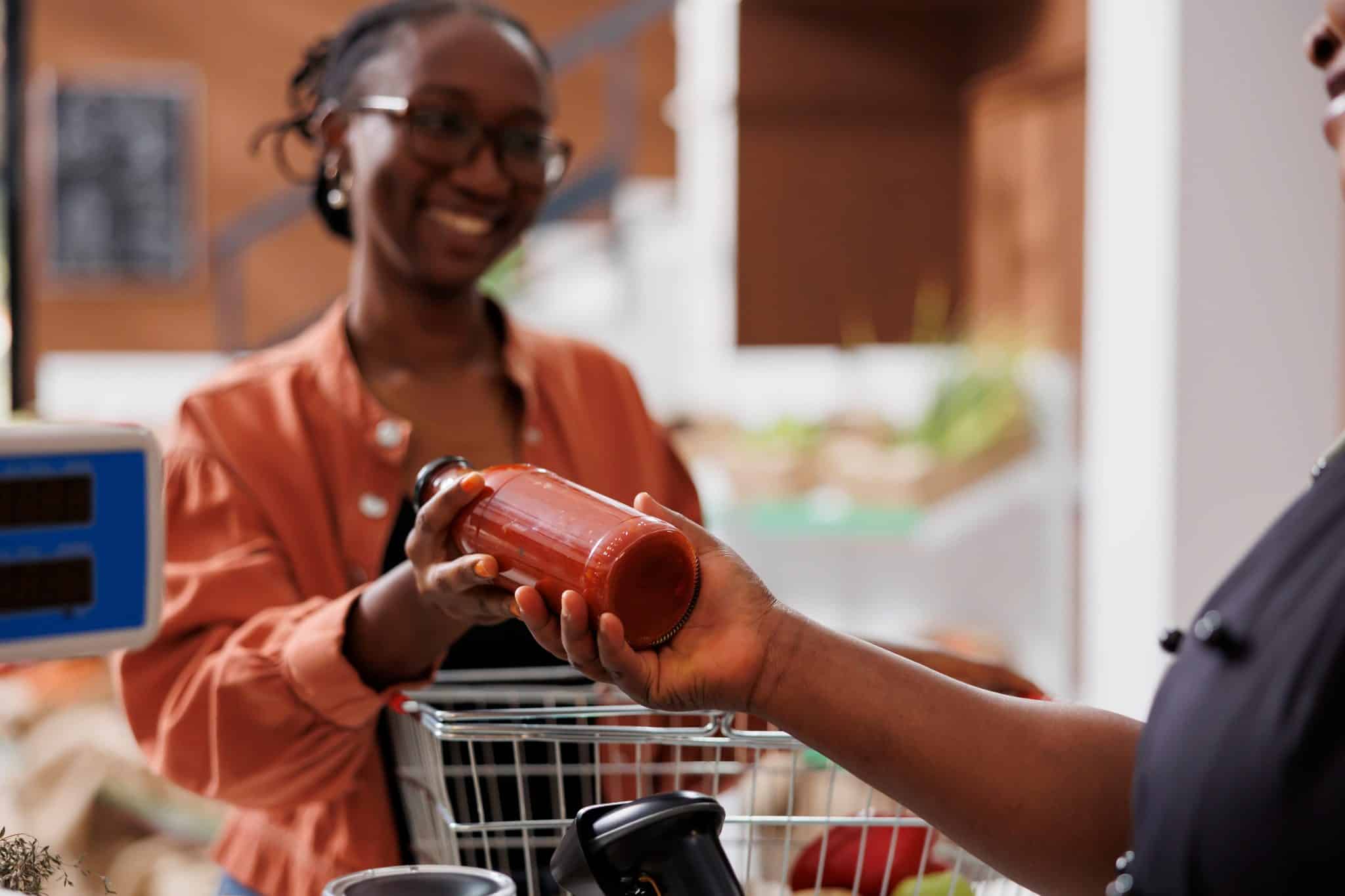
5. **Farmer’s Markets**: The weekly rhythm of these markets facilitates casual encounters among community members.
6. **Public Libraries**: Libraries serve as accessible gathering spaces for diverse groups, often hosting events that encourage repeat visits.
7. **Museums**: These venues provide a reflective atmosphere, allowing visitors to engage with art and culture while being around others without the pressure to converse.
8. **Dog Parks**: With pets acting as social facilitators, dog parks help break the ice among owners.
9. **Gyms and Fitness Studios**: Group fitness activities foster familiarity through repeated interactions among participants.
10. **Bookstores**: Independent bookstores offer spaces for quiet exploration and community engagement, but are increasingly at risk of closure.
These third places, which may be closer to individuals’ daily lives than they realize, are crucial for building community ties. They provide opportunities for socialization without the need for extensive planning, encouraging people to stop and engage with their surroundings rather than pass through.
Check out the original article here: Source link