Image Credit: depositphotos.com
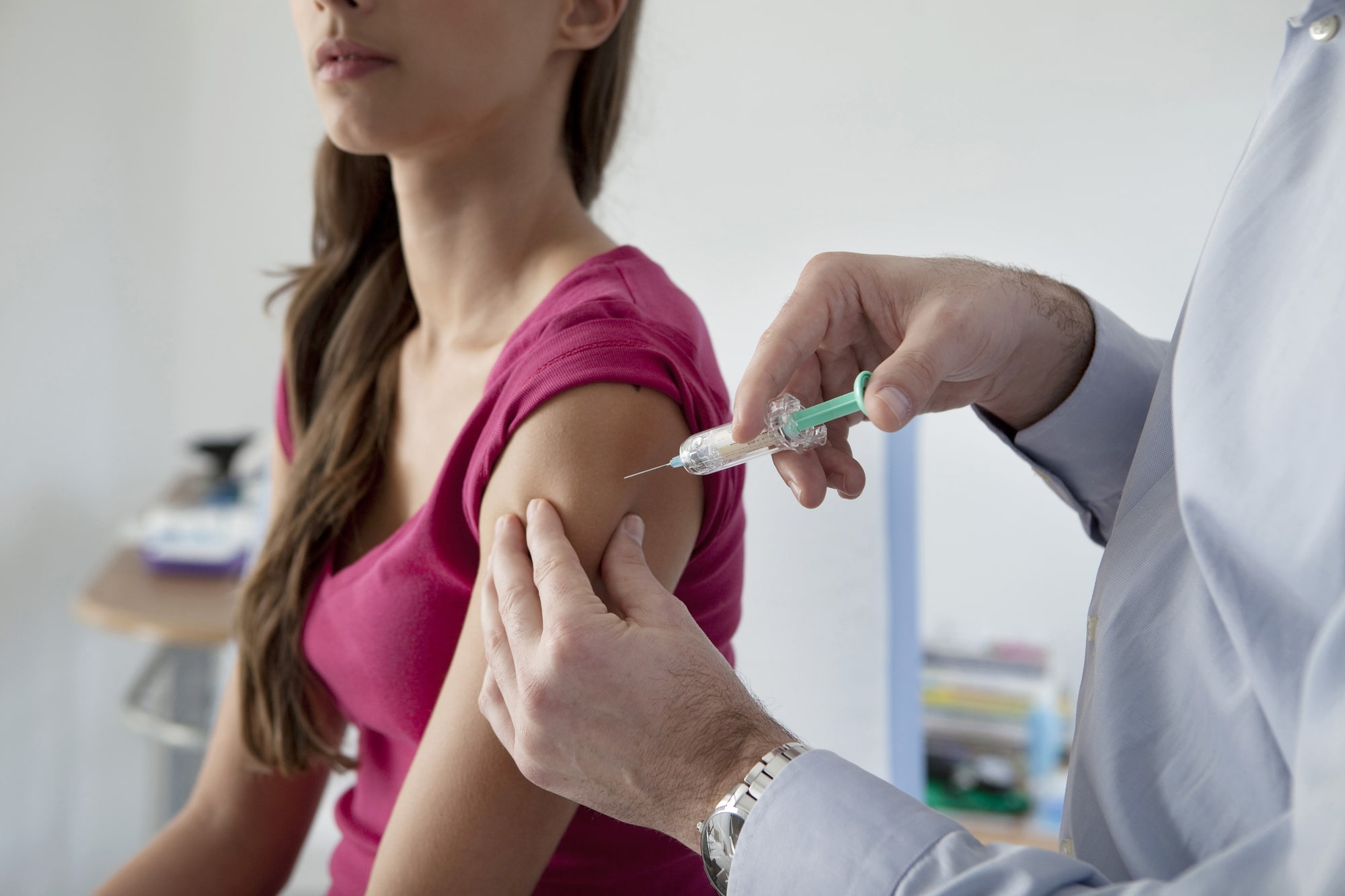
Between 2020 and 2024, England recorded zero deaths from cervical cancer among women aged 20 to 24, marking a historic milestone in public health. This significant achievement is attributed to the effectiveness of the human papillomavirus (HPV) vaccine, which was introduced for school-age girls in England in 2008. A new study published in *The Lancet* highlights the impact of the vaccination program, showing that children vaccinated at ages 12 and 13 have a near-zero risk of dying from cervical cancer before age 30.
Research led by Professor Peter Sasieni of Queen Mary University of London estimates that without the HPV vaccine, approximately 23 deaths would have occurred within this age group over the same five-year period. Since the implementation of the school vaccination program, around 200 lives have been saved in England due to the vaccine’s protective effects.
HPV is a group of viruses commonly transmitted through skin-to-skin contact, primarily through sexual activity. While most infections clear without intervention, certain strains can lead to abnormal cell changes that develop into cancer over time. HPV is responsible for about 99% of cervical cancer cases, as well as other cancers affecting various parts of the body. The HPV vaccine specifically targets the strains most likely to cause these cancers, providing nearly complete protection when administered before exposure to the virus.
Prior to this five-year period, cervical cancer deaths among women aged 20 to 24 in England ranged from five to 27 in each five-year window. The decline in deaths corresponds closely with the age group of women who were vaccinated when the program began. As these vaccinated individuals age, further reductions in cervical cancer-related deaths are anticipated.
Despite this progress, vaccination rates in England are currently at 76%, falling short of the 90% target set by the World Health Organization to eliminate cervical cancer as a public health problem by 2040. The UK government has recognized the need for targeted action to increase vaccination uptake, particularly in communities with the lowest coverage. Efforts are underway, including catch-up campaigns through community pharmacies and the distribution of HPV self-testing kits to women who have not participated in cervical screening.
Cervical cancer remains the 14th most common cancer among women in the UK, with approximately 3,300 new diagnoses each year. While the risk of cervical cancer is now close to zero for those who received the vaccine on schedule, the future impact of the vaccination program will depend on improving vaccination rates and ensuring that more young people are reached in upcoming years.
Check out the original article here: Source link