Image Credit: EcoSnap/123rf.com
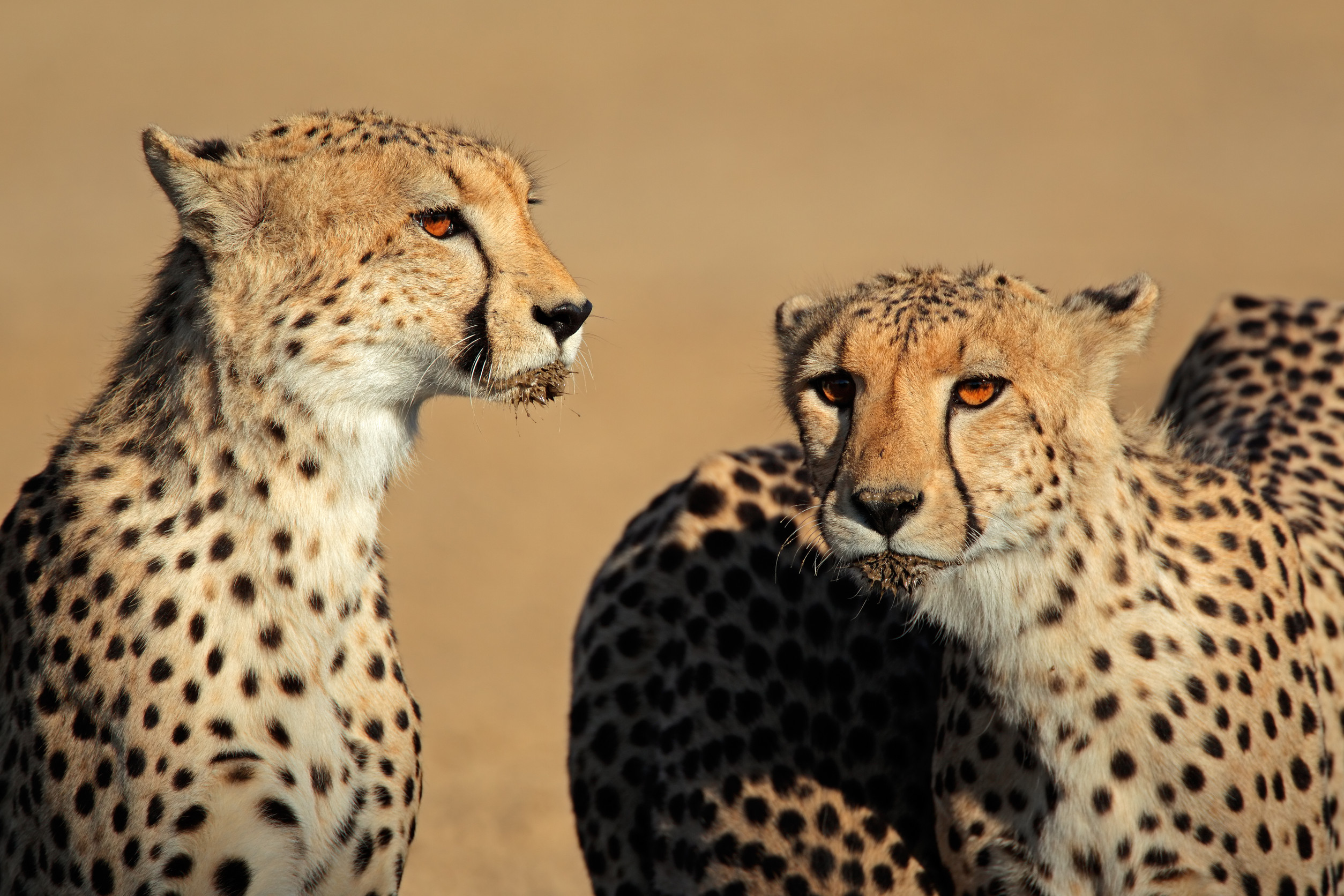
In Namibia, the Cheetah Conservation Fund (CCF) is leading a pivotal conservation effort aimed at preserving the genetic material of the endangered cheetah. Under the guidance of zoologist Dr. Laurie Marker, the organization has spent over 35 years collecting and storing cheetah sperm samples, a strategy increasingly recognized as a vital safety measure amid the dramatic decline of wild cheetah populations.
Cheetah numbers have plummeted by 80 percent over the past 50 years, with fewer than 7,000 individuals remaining across Africa. The species now occupies only 10 percent of its historical range, fragmented into 33 populations, most of which contain fewer than 100 individuals. The decline is attributed to habitat loss, human-wildlife conflict, and the illegal wildlife trade, compounded by a concerning lack of genetic diversity due to small, isolated populations.
To combat these challenges, CCF has established a “frozen zoo,” where approximately 400 cheetah sperm samples are stored in liquid nitrogen at ultralow temperatures. This genetic archive acts as a potential lifeline for the species, allowing for assisted reproductive technologies if natural breeding becomes unfeasible. While artificial insemination has not yet been implemented in Namibia due to regulations against breeding wild animals in captivity, the stored samples ensure that options remain open for the future.
This initiative aligns with broader conservation practices, where sperm banks have been successfully used for other endangered species, including northern white rhinos and black-footed ferrets. The CCF’s approach highlights the necessity of foresight and scientific innovation in wildlife conservation, preparing for a future where these efforts may be crucial for the survival of the cheetah.
Currently, the focus remains on in-situ conservation efforts, including protecting wild cheetahs and fostering coexistence with local communities. However, the establishment of a genetic repository provides a measure of hope, ensuring that if the time comes for artificial reproduction, the groundwork has already been laid to support the recovery of this iconic species.
Check out the original article here: Source link