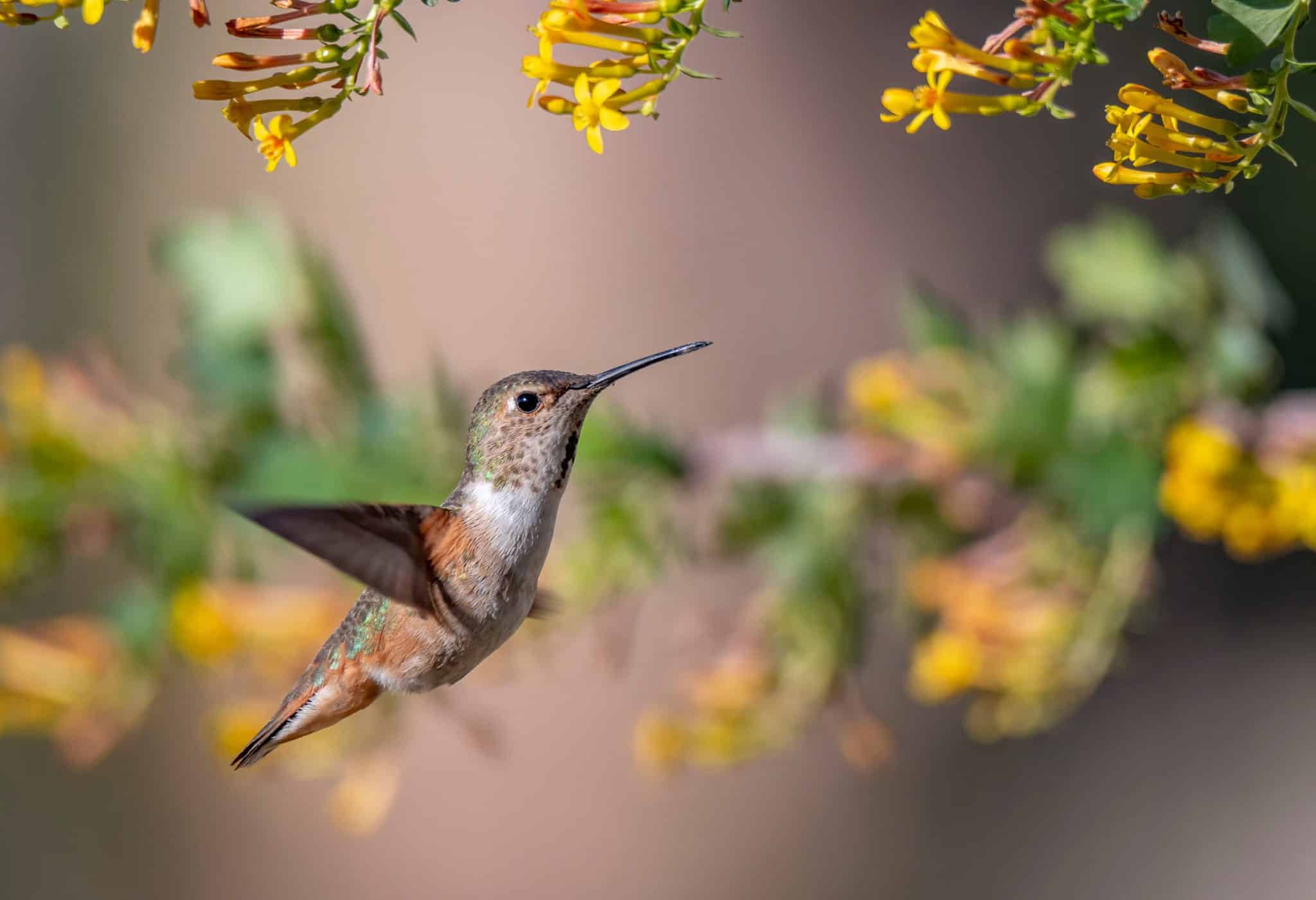
Image Credit: sourabhbharti/123rf.com
Recent research from the University of Arizona offers a more nuanced perspective on biodiversity loss, suggesting that extinction rates for many species have actually declined over the past century. The study, led by researchers Kristen Saban and John Wiens, analyzed data from nearly two million species to assess the patterns and causes of extinctions over the last 500 years. Their findings, published in the *Proceedings of the Royal Society B: Biological Sciences*, challenge the prevailing narrative of an accelerating mass extinction.
The researchers identified 912 species that went extinct during the analyzed period and found that extinction rates peaked around 100 years ago. Since then, the rates for plants, arthropods, and land vertebrates have shown a downward trend. This contrasts with earlier studies that often projected historical extinction rates into the present, overlooking significant changes in the causes of species loss.
Historical extinctions were largely driven by invasive species, particularly on islands. Today’s primary threats include habitat destruction and climate change, with the study noting that most recent extinctions have affected freshwater ecosystems and island species, such as mollusks and certain vertebrates. Importantly, the researchers found no evidence that climate change has increased extinction rates in the past 200 years, although they emphasized the ongoing urgency of addressing climate-related threats.
The decline in extinction rates may be attributed to global conservation efforts, which have included habitat protection and captive breeding programs. The team’s analysis of threat levels for 163,000 species, using data from the International Union for Conservation of Nature (IUCN), indicates that many of today’s most endangered species are primarily found on the mainland and face significant habitat loss.
While the findings present a more hopeful outlook, the researchers caution against complacency regarding biodiversity loss. They emphasize the importance of accurate discourse around the topic, advocating for a data-driven approach to conservation efforts. By understanding past trends and current threats, conservationists can better allocate resources to mitigate future losses in biodiversity.
Check out the original article here: Source link