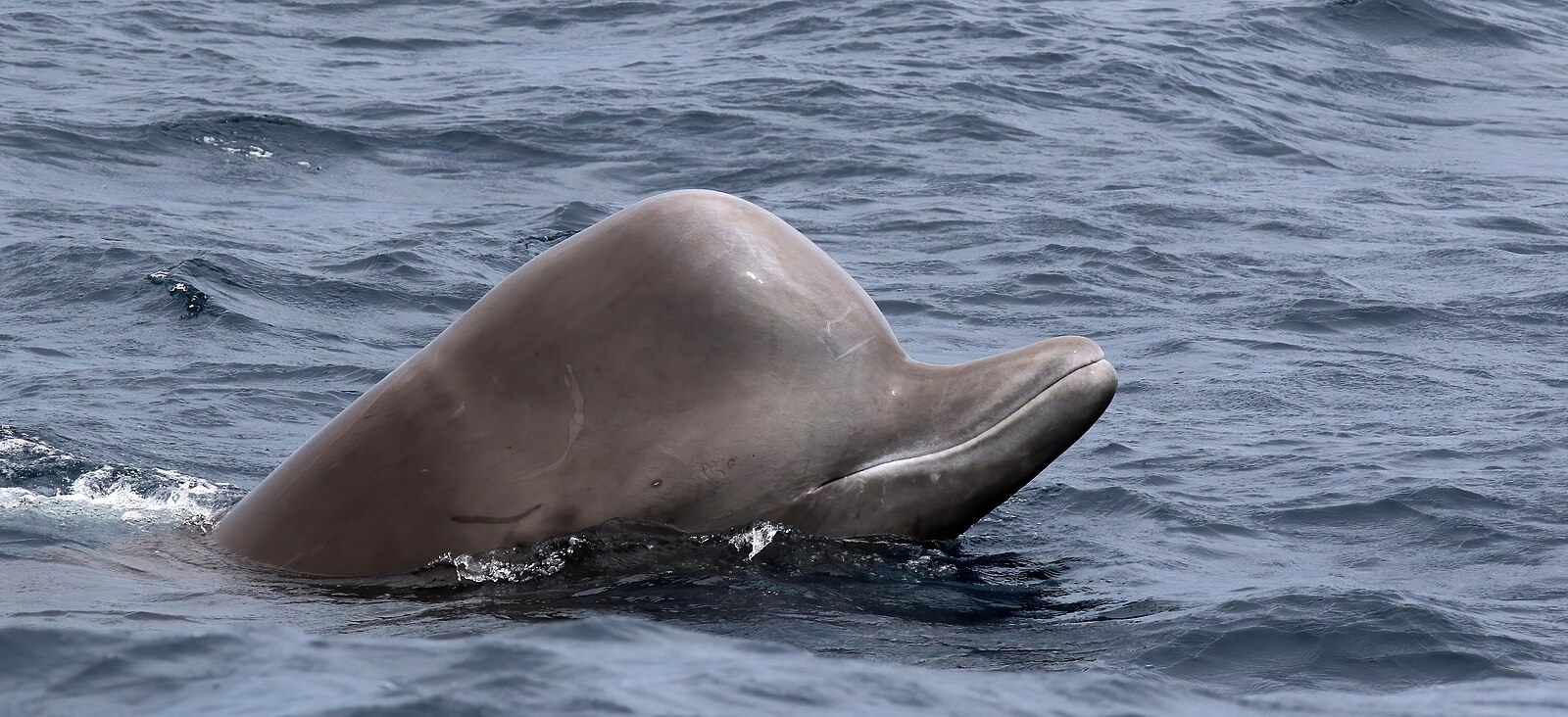
Image Credit: Cephas, CC BY-SA 4.0 , via Wikimedia Commons
In a significant conservation success story, the northern bottlenose whale population off the coast of Nova Scotia is showing remarkable signs of recovery. A recent study published in the *Journal of Applied Ecology* highlights the positive impact of the Gully, a vast submarine canyon designated as a Marine Protected Area (MPA) in 2004.
Once on the brink of extinction, with numbers dwindling to just 130 individuals in the mid-2000s, the Scotian Shelf population of northern bottlenose whales has rebounded to an estimated 210 individuals by 2023. This increase is attributed to the protective measures implemented in the Gully, which features steep underwater walls and nutrient-rich waters conducive to marine life.
The Gully’s unique topography not only supports the whales but also enhances the overall productivity of the ecosystem. With a ban on commercial fishing and harmful activities in its core zone, the area has seen a significant decrease in fishing and vessel traffic, further aiding in the whales’ recovery.
The research utilized 35 years of observational data to assess the effects of conservation efforts, revealing that the Gully has become a safe haven for this endangered species. While the northern bottlenose whales still face challenges elsewhere, the Gully serves as a model for successful marine conservation, demonstrating how effective protection and management can lead to population increases.
This case underscores the importance of establishing networks of protected marine areas to support migrating species and ensure their long-term survival. The Gully’s success is a beacon of hope amid global biodiversity concerns, illustrating the potential for recovery when science, policy, and conservation efforts align effectively.
Check out the original article here: Source link