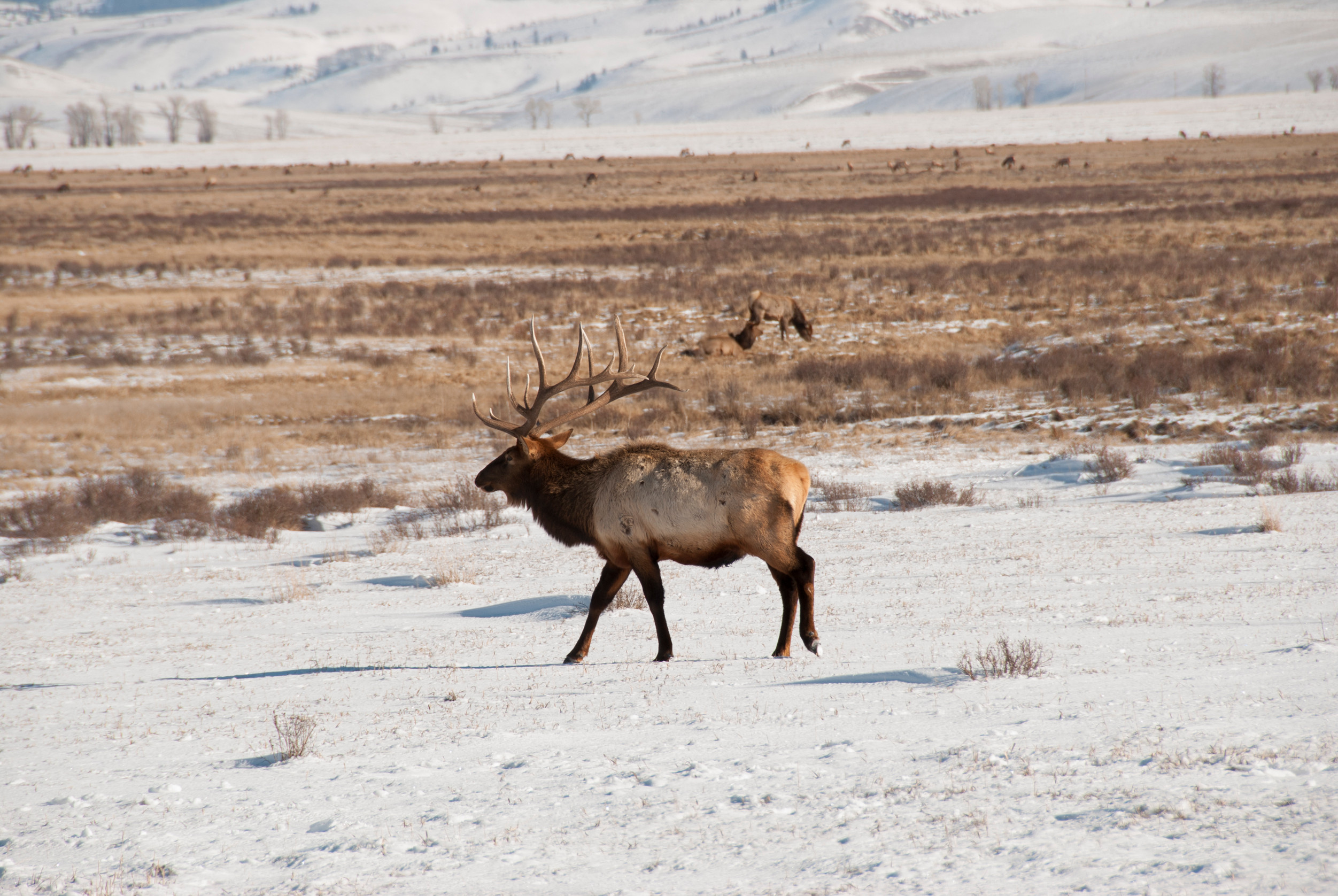
A groundbreaking conservation agreement in Park County, Colorado, is set to enhance the migratory experience for thousands of elk while alleviating financial pressures on local ranchers. This innovative arrangement involves rancher Dave Gottenborg and two conservation organizations, allowing safe passage for elk across his 3,000-acre Eagle Rock Ranch. In return, Gottenborg will receive substantial assistance with his cattle grazing lease costs for a five-year period.
The initiative, brokered by the Colorado Cattlemen’s Agricultural Land Trust and the Property and Environment Research Center (PERC), seeks to create flexible conservation solutions that don’t compromise land ownership. By covering over two-thirds of Gottenborg’s lease expenses, PERC aims to support ranchers while promoting wildlife conservation.
Traditional conservation easements often require permanent commitments from landowners, which may not align with the dynamic needs of both agriculture and wildlife. This new approach encourages ranchers to maintain grazing while providing safe corridors for migrating elk. Gottenborg has a history of facilitating wildlife movement, often removing sections of his barbed wire fence during winter months.
PERC, known for its market-based environmental solutions, is exploring innovative methods to incentivize conservation. Their philosophy emphasizes the importance of creating economic incentives for landowners, encouraging them to remain engaged in agricultural practices while supporting ecological health.
The agreement also includes monitoring provisions to ensure compliance. The Colorado Cattlemen’s Agricultural Land Trust will utilize trail cameras, drones, and site visits to track elk movement and validate adherence to the grazing plan.
This model has sparked interest among other ranchers in Colorado, who are seeking to implement similar agreements to benefit both wildlife and agricultural interests. The success of this initiative could pave the way for a new paradigm in conservation partnerships, balancing the needs of migratory species with the livelihoods of ranchers.
Check out the original article here: Source link