Image Credit: depositphotos.com
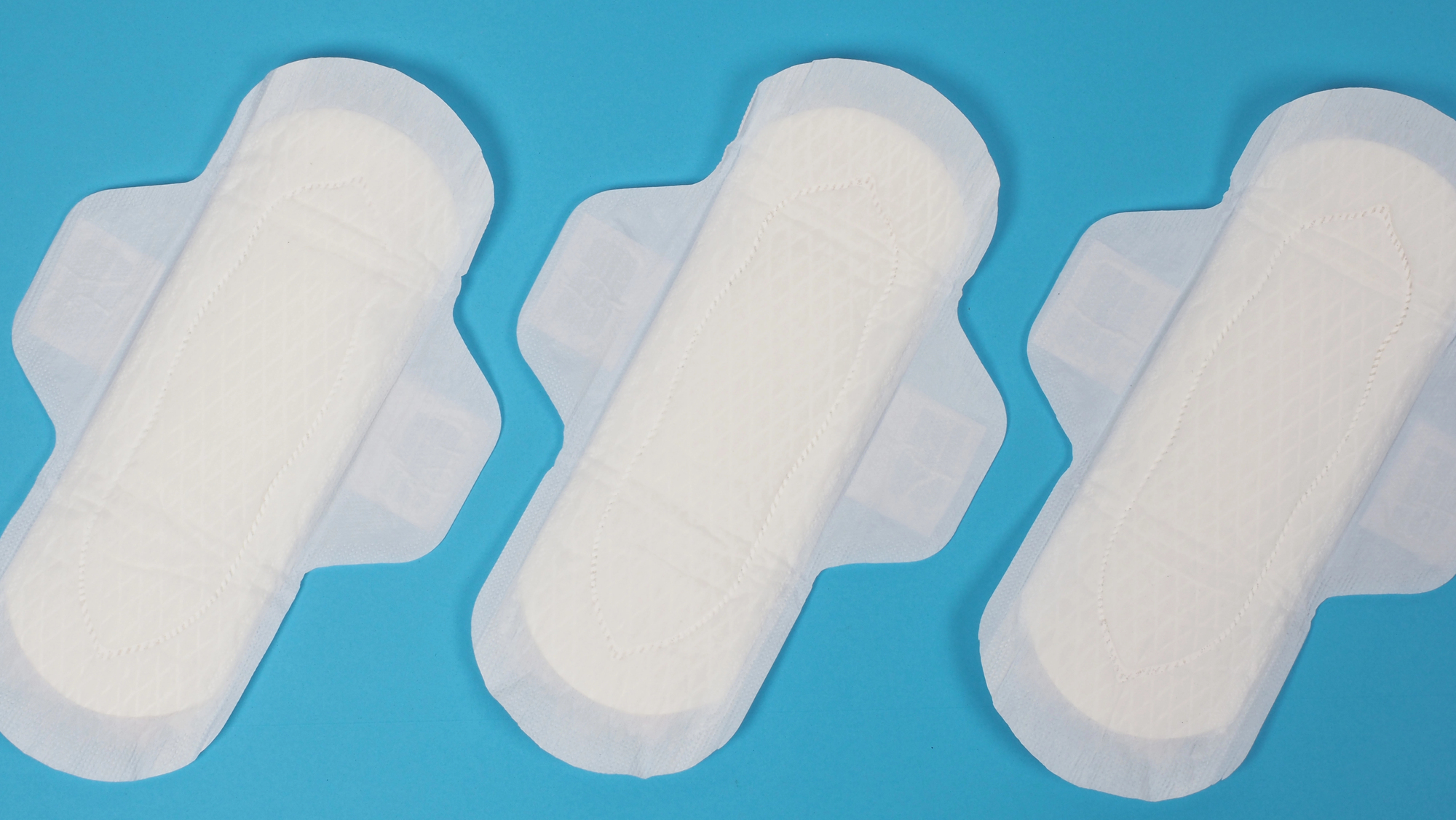
Pakistan has officially removed the sales tax on period products, a significant move aimed at improving women’s health and equality. This decision was announced by Finance Minister Muhammad Aurangzeb, who emphasized that sanitary products are essential for women’s health, dignity, and full participation in society.
The change comes in response to a legal challenge initiated by two young lawyers, Mahnoor Omer and Ahsan Jehangir Khan, who argued that the previous 18 percent sales tax constituted a discriminatory “pink tax” on women. Their petition gained considerable public support, amassing thousands of signatures and sparking a nationwide conversation about the affordability and accessibility of menstrual products.
Historically, the financial burden of these taxes has made commercial menstrual products unaffordable for many women in Pakistan. In addition to the sales tax, imported period products were subjected to a 25 percent customs charge. This has forced a majority of women to rely on cloth or homemade alternatives, which are associated with increased health risks.
While the removal of the sales tax is a step forward, experts highlight that it may not immediately alleviate the challenges many women face. Access to menstrual products remains a critical issue, particularly for those in low-income areas or without convenient access to stores. The broader cultural implications of this change are noteworthy, as it signals a shift in societal attitudes toward menstruation.
Organizations advocating for menstrual rights, such as Mahwari Justice, underscore the importance of viewing menstruation as a public health issue rather than a private embarrassment. The removal of the tax is seen as a catalyst for ongoing conversations about menstrual education, access to clean water, and sanitation facilities, all of which are integral to achieving menstrual justice.
In addition to scrapping the sales tax on period products, the government has also announced the elimination of the sales tax on contraceptives. Aurangzeb linked this decision to population growth concerns, emphasizing the importance of family planning in Pakistan, which ranks fifth in the world by population size.
While the legislative changes are in effect, advocates stress that further efforts are necessary to ensure that the women who need these products most can access them effectively. The focus will now shift to addressing remaining customs duties and improving overall access to menstrual and reproductive health resources.
Check out the original article here: Source link