Image Credit: depositphotos.com
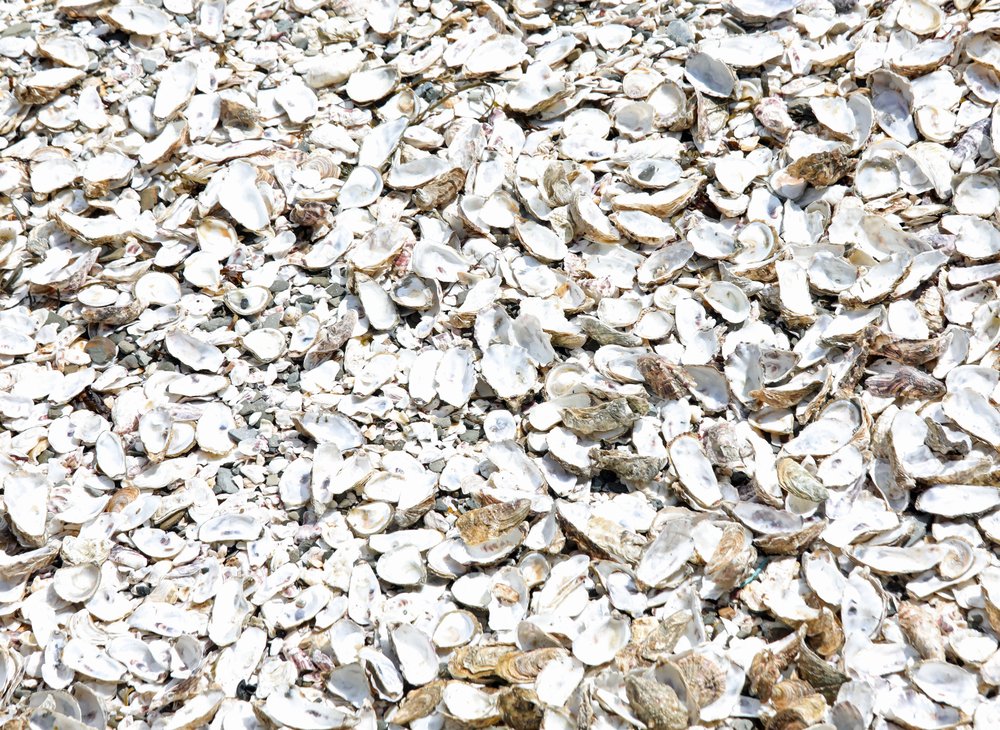
A team of students from National Taiwan Normal University has developed an innovative solution for coral reef restoration through a project named Reefvive. This initiative utilizes ground oyster shells and coral gravel, which are typically discarded, to create a modular artificial reef structure designed to support young coral growth.
Traditional artificial reefs are often constructed from smooth concrete, which provides little grip for young coral. In contrast, Reefvive’s structures feature rough, textured surfaces that enhance coral attachment. The waste materials are processed into a compound and shaped using 3D printing technology, resulting in a design inspired by the natural patterns of brain corals.
In collaboration with National Taiwan Ocean University, the team conducted open-water trials by attaching 28 coral fragments to the newly created structures. Remarkably, all fragments survived, and the structures quickly attracted marine life, including fish, hermit crabs, algae, and octopuses.
The design of the Reefvive structures incorporates several features to enhance their effectiveness. Large openings allow for stacking underwater, while folded ridges along the sides provide grip against ocean currents. Each structure is elevated off the seafloor by three legs, minimizing movement caused by waves. Notably, the units interlock without the need for clips or fasteners, allowing for the expansion of the reef framework as more units are added.
The project addresses two significant waste streams: discarded oyster shells from aquaculture and coral gravel from reef restoration efforts. By repurposing these materials, Reefvive not only contributes to coral restoration but also reduces waste.
Reefvive has gained recognition as the National Runner-Up in the Taiwan region of the James Dyson Award, highlighting its dual goals of providing a stable environment for coral and shelter for marine life. The team plans to further test the structures at additional restoration sites and refine the design for large-scale production, aiming to make coral restoration more accessible and cost-effective.
With a 100 percent survival rate for the test coral fragments, Reefvive demonstrates promising potential in the field of marine restoration, paving the way for future innovations in preserving and revitalizing coral ecosystems. The structures are currently not in commercial use, but the initial results from the ocean trials validate the effectiveness of this new approach.
Check out the original article here: Source link