Image Credit: depositphotos.com
A startup in India, Dognosis, has developed an innovative diagnostic tool that reportedly achieves over 90 percent accuracy in detecting seven types of cancer using breath samples. The technology harnesses artificial intelligence (AI) trained on data gathered from dogs, known for their exceptional sense of smell.
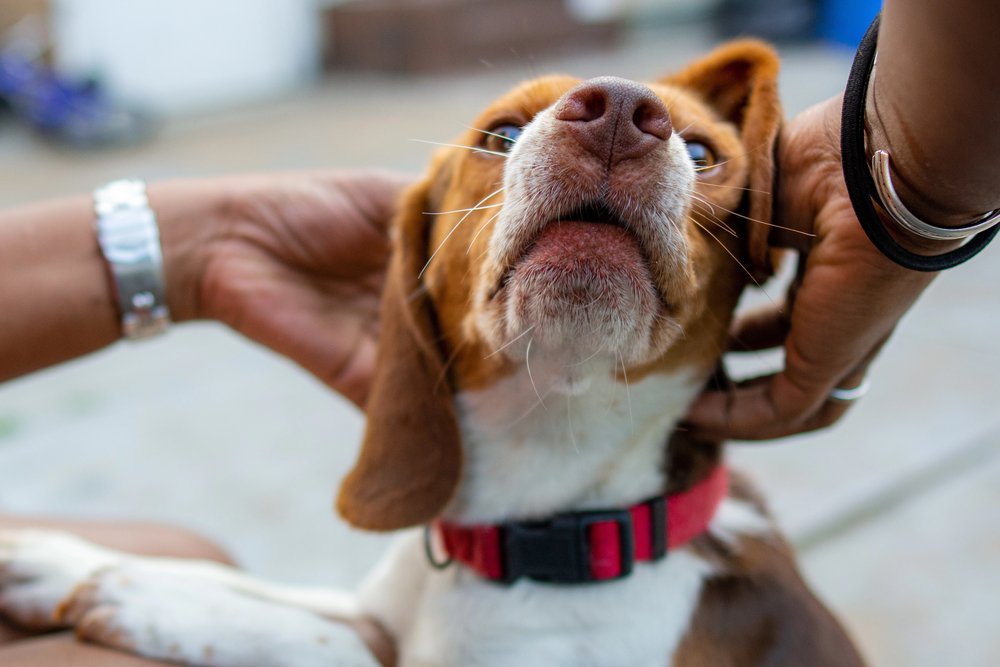
Located near Bengaluru, Dognosis employs 15 specially trained dogs equipped with helmets and harnesses fitted with sensors. These sensors monitor the dogs’ breathing, brain activity, and movements while they sniff sealed breath samples provided by patients. The AI system analyzes this biometric data to identify patterns related to cancer-specific odor compounds.
The diagnostic process is non-invasive and straightforward. Patients breathe into a cotton mask for approximately 10 minutes, after which the sample is sent to the lab. Notably, there is no need for blood draws or direct interaction with the dogs during the testing.
In a study involving over 1,500 participants across six hospitals, Dognosis reported an accuracy rate exceeding 90 percent for detecting various cancer types. However, experts caution that this figure has not been independently verified, and a more extensive study is necessary to confirm the reliability of the method. Oncologists emphasize the importance of conducting larger trials before drawing definitive conclusions about the effectiveness of this diagnostic approach.
The significance of Dognosis’s breath test is particularly relevant in India, where many cancer diagnoses occur at advanced stages. Limited access to non-invasive early screening options has made timely detection challenging. The breath test offers a potential solution as a preliminary screening tool, signaling which individuals may require further testing without the need for imaging or specialist consultations.
Dognosis aims to position its tool as an initial screening device rather than a substitute for conventional diagnostic methods and is actively pursuing additional trials to seek commercial approval. The AI technology focuses on interpreting the physiological responses of dogs when exposed to specific cancer-related odor compounds in human breath, aiming to create a consistent and scalable diagnostic process.
While the initial results are promising, experts agree that further independent research is essential to validate the findings and ensure the diagnostic tool’s clinical applicability.
Check out the original article here: Source link