Image Credit: depositphotos.com
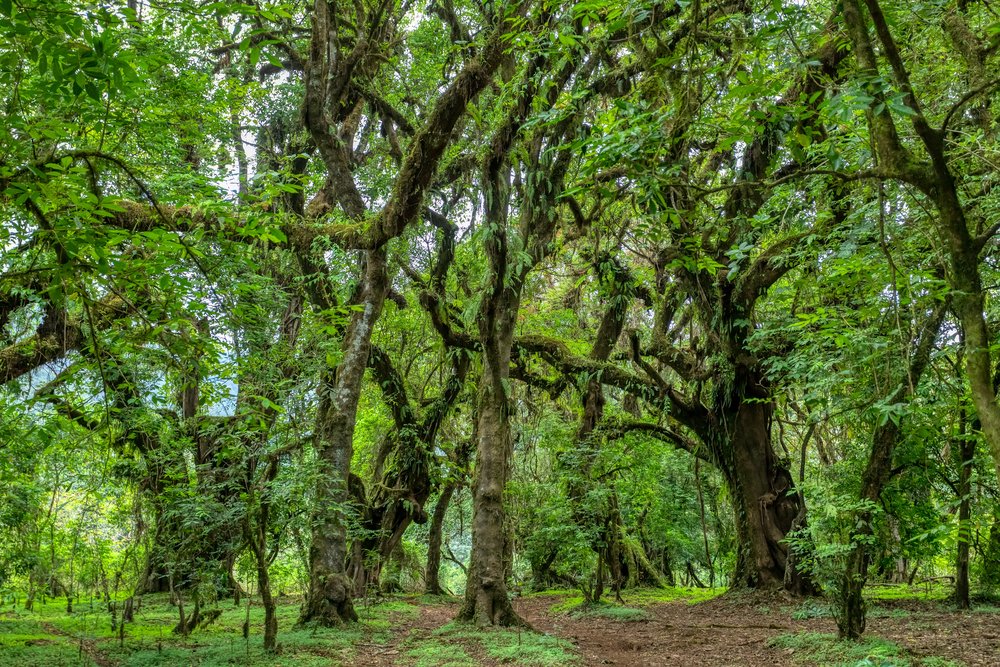
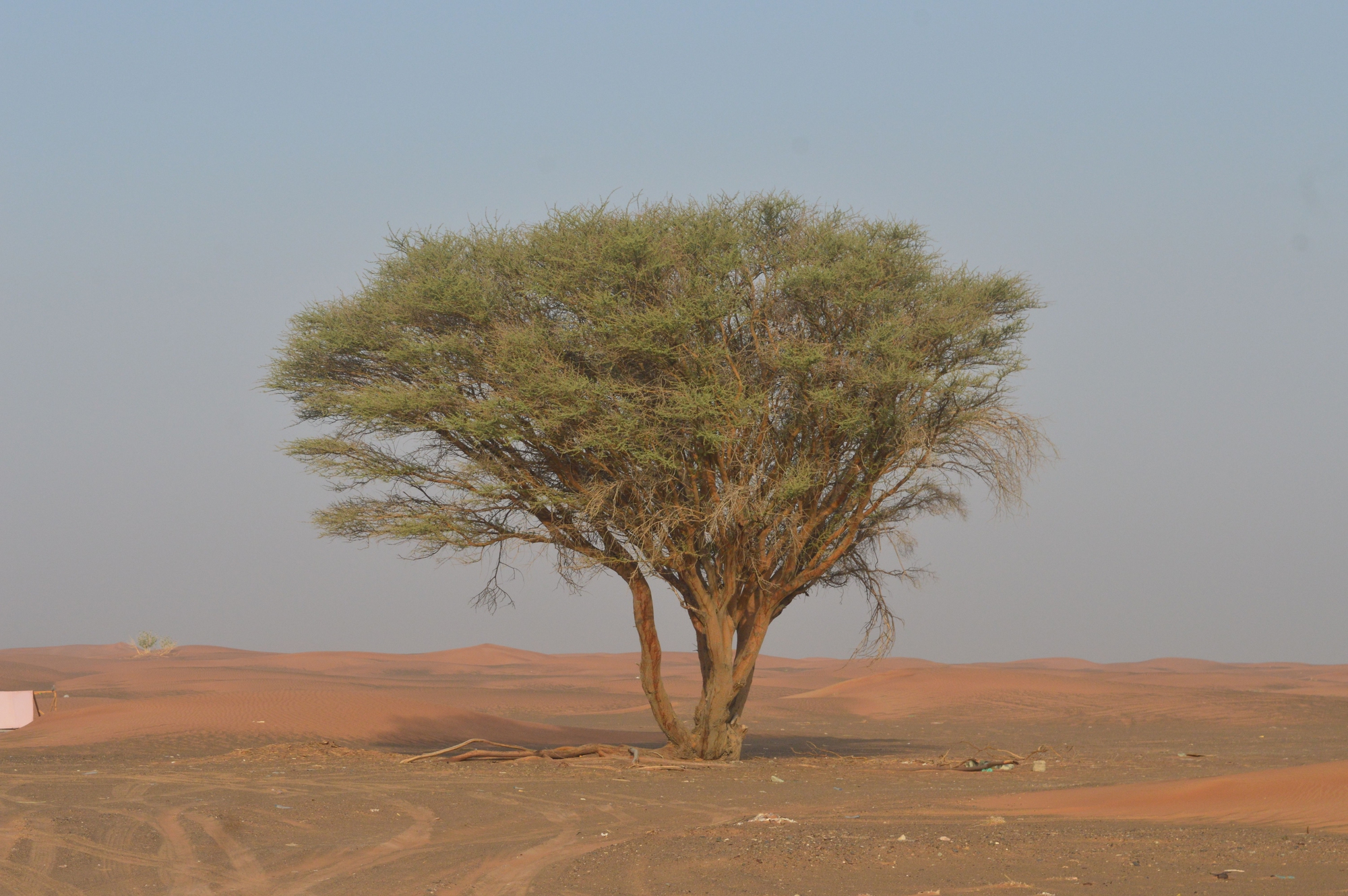
An innovative agricultural technique has transformed the landscape of Niger, restoring five million hectares of savanna without planting a single seedling. This method, known as Farmer Managed Natural Regeneration (FMNR), was developed by Australian agricultural adviser Tony Rinaudo in the 1980s. Rinaudo discovered that beneath the seemingly barren soil, existing root systems were still alive and capable of producing new growth when given the chance.
FMNR empowers farmers to identify and protect emerging shoots from existing trees, allowing them to thrive in a process that is entirely community-driven. This approach not only enhances the ecosystem but also provides significant benefits to local farmers, including shade, erosion control, firewood, fruit, and animal fodder. Since Niger officially recognized FMNR as a national soil restoration method in 2020, over 200 million trees have been restored, positively impacting approximately 2.5 million people.
The FMNR initiative aligns with Africa’s AFR100 program, which aims to restore 129 million hectares of degraded land by 2030. This effort is complemented by the Great Green Wall project, an ambitious initiative targeting the restoration of 100 million hectares of land across 11 Sahel countries. To date, progress has been promising, with about 18 percent of the target achieved four years ahead of schedule. However, challenges remain, particularly in regions experiencing political instability, such as Burkina Faso, Niger, and Mali.
In contrast to Niger’s FMNR approach, Ethiopia’s Green Legacy Initiative relies on state-organized mass planting, which has faced issues with seedling survival due to lack of follow-up care. Research indicates that over half of seedlings in Ethiopia do not establish without proper maintenance, highlighting the advantages of Niger’s FMNR method, where existing root systems ensure higher survival rates.
The FMNR technique is also being explored in more than 20 countries, including Ghana and Madagascar, with experts suggesting its applicability across much of the Sahel and southern African savanna. The future success of these restoration initiatives will depend on continued funding and political stability in some of the most challenging environments for long-term agricultural programs. The effectiveness of FMNR in Niger stands as a testament to the potential for community-led environmental restoration.
Check out the original article here: Source link