
Image Credit: depositphotos.com
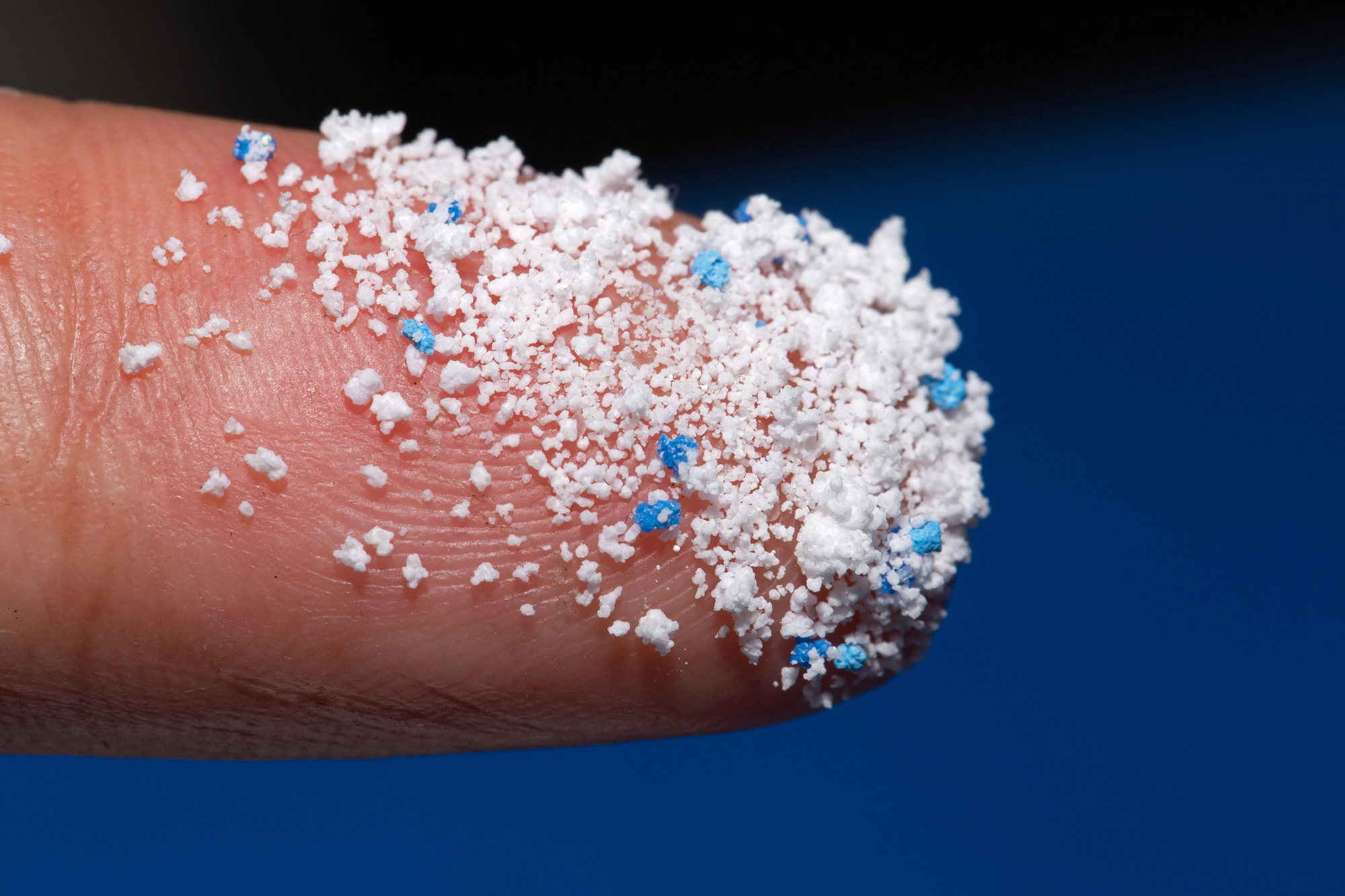
Recent research has revealed a concerning trend regarding microplastics and their presence in human tissue. A study published in *Nature Medicine* in 2025 found that microplastics were detected in human brain tissue at concentrations significantly higher than those found in the liver or kidneys. This discovery underscores a growing health issue, as previous findings indicated that bottled water could contain hundreds of thousands of nanoplastic particles, which may cross biological barriers within the body.
Microplastics, defined as plastic particles smaller than five millimeters, originate from both manufactured sources and the breakdown of larger plastic items. Human exposure occurs through ingestion, inhalation, and contact with the environment. Recent studies have found microplastics in various human tissues, including blood, lungs, placentas, reproductive organs, and the brain. While the presence of these particles does not definitively prove they cause disease, researchers have raised concerns regarding potential links to inflammation, oxidative stress, and hormone disruption.
The sources of microplastic exposure are varied. Heating food in plastic containers, microwaving leftovers, and leaving plastic bottles in hot environments can accelerate the release of plastic particles. Additionally, synthetic textiles contribute significantly to microplastic pollution, with an estimated 35% of primary microplastics in the oceans coming from such materials. These fibers shed during wear and laundering, ultimately ending up in waterways and household dust.
To mitigate microplastic exposure, experts suggest practical steps rather than total elimination. For food storage, using glass and stainless steel containers instead of plastic can prevent particle release when heated. Opting for loose-leaf tea instead of plastic mesh tea bags and choosing fresh, less-packaged foods can also reduce exposure.
Water quality is another consideration. With evidence pointing to bottled water as a source of microplastics, investing in a home filtration system can significantly cut daily exposure. When it comes to clothing, washing synthetic fabrics less frequently, using cold water, and incorporating microfiber-catching bags can help minimize fiber shedding. Natural fibers such as organic cotton, linen, and wool are preferable when purchasing new clothing.
Indoor air quality plays a crucial role in microplastic exposure as well. Regular cleaning with HEPA-filter vacuums, keeping windows open, and minimizing synthetic materials indoors can help reduce household dust. Air purifiers with HEPA filtration can further enhance air quality in enclosed spaces.
While the long-term health effects of microplastics remain under investigation, the evidence of widespread exposure and accumulation in human tissue is clear. Adopting gradual shifts toward reducing plastic contact in everyday life can help minimize potential health risks.
Check out the original article here: Source link

