
Image Credit: depositphotos.com
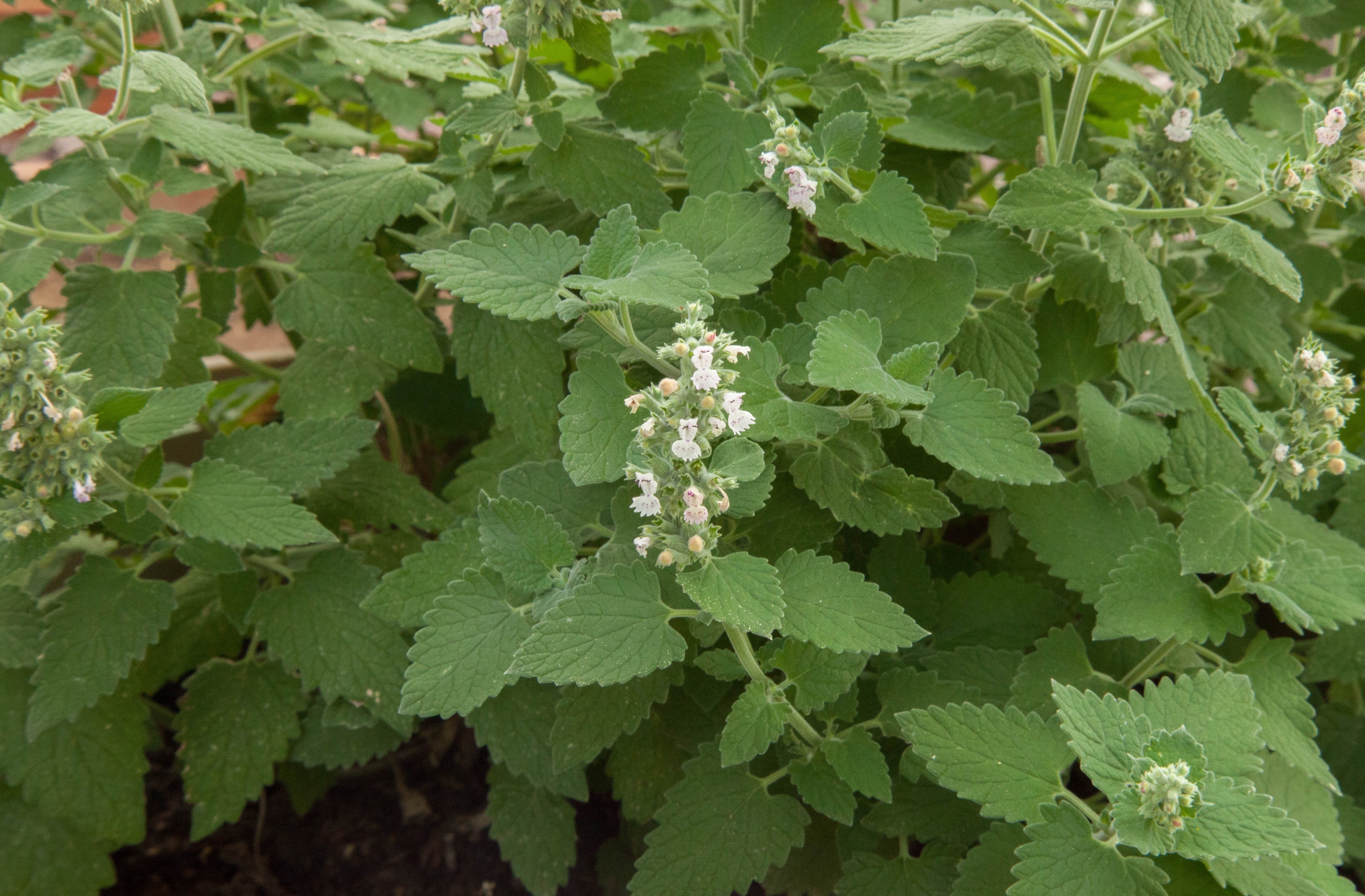
Researchers from Cardiff University have developed a promising mosquito repellent using catnip oil, which has shown effectiveness comparable to DEET in field trials conducted in Uganda. The findings, presented at the Society for Experimental Biology conference in Florence, indicate that a six percent concentration of catnip oil can repel mosquitoes just as effectively as a 15 percent DEET lotion, the common formulation used in the region.
The study involved volunteers who were exposed to mosquitoes while wearing different lotions: a DEET lotion, two concentrations of catnip oil (six percent and two percent), and a placebo. The results demonstrated that the six percent catnip oil lotion matched the efficacy of DEET, while the two percent lotion was only slightly less effective.
Malaria, a severe health issue in sub-Saharan Africa, infects approximately 282 million people annually, leading to around 610,000 deaths each year, predominantly among young children. The increasing resistance of mosquitoes to traditional insecticides and the high cost of DEET products pose significant barriers for many rural communities in Uganda. The locally sourced catnip, which is abundant in the region, offers a more accessible alternative for mosquito protection.
The research team is also exploring the potential for community production of the catnip lotion to ensure sustainability. Currently, the lotion has been distributed for free under grant funding, but future plans include developing a market-based approach to maintain supply without relying on donations.
Despite the promising results, experts note that compliance remains a challenge with topical repellents, as users must apply them regularly for maximum effectiveness. Nevertheless, the introduction of a low-cost, locally made mosquito repellent could significantly enhance malaria prevention efforts in vulnerable populations.
Check out the original article here: Source link

